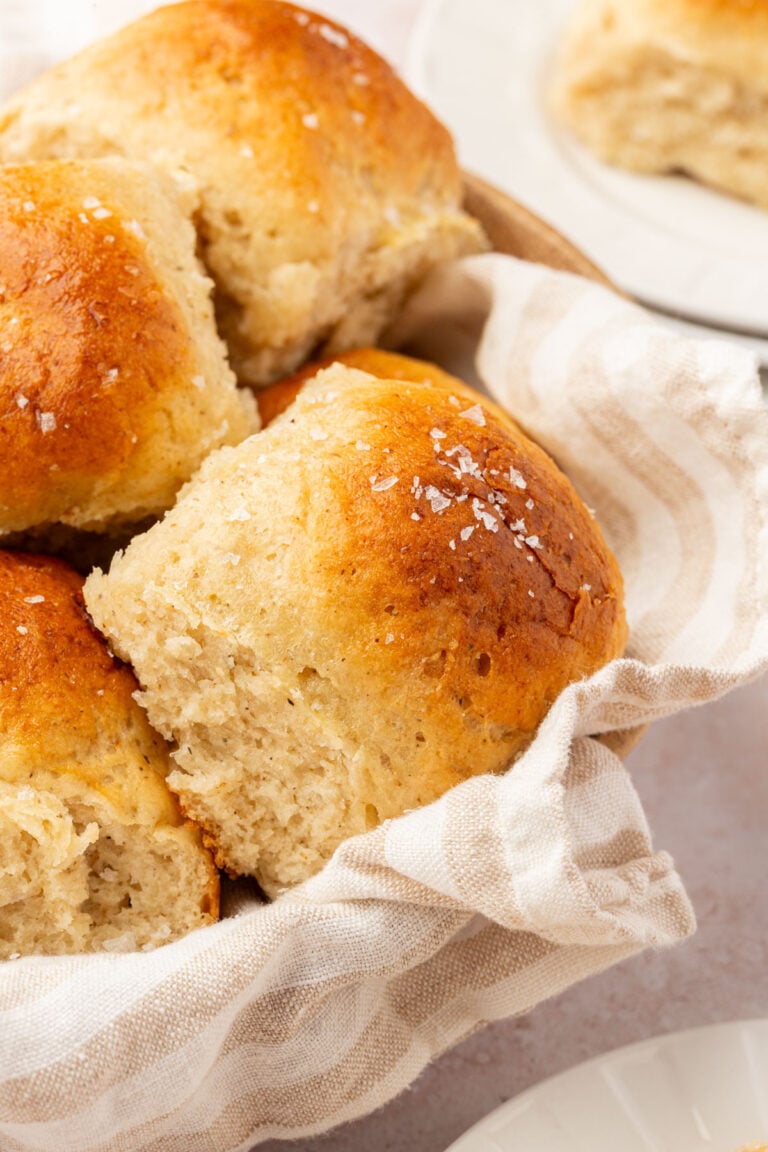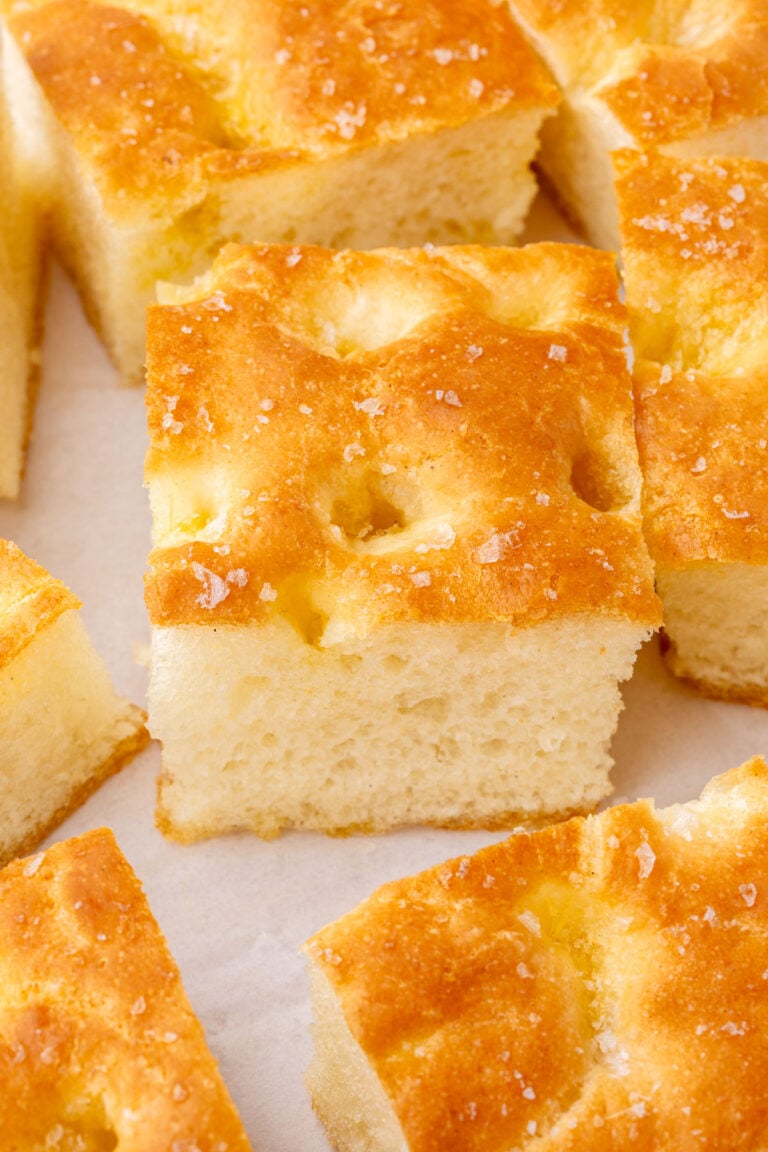
Gluten-Free Basics

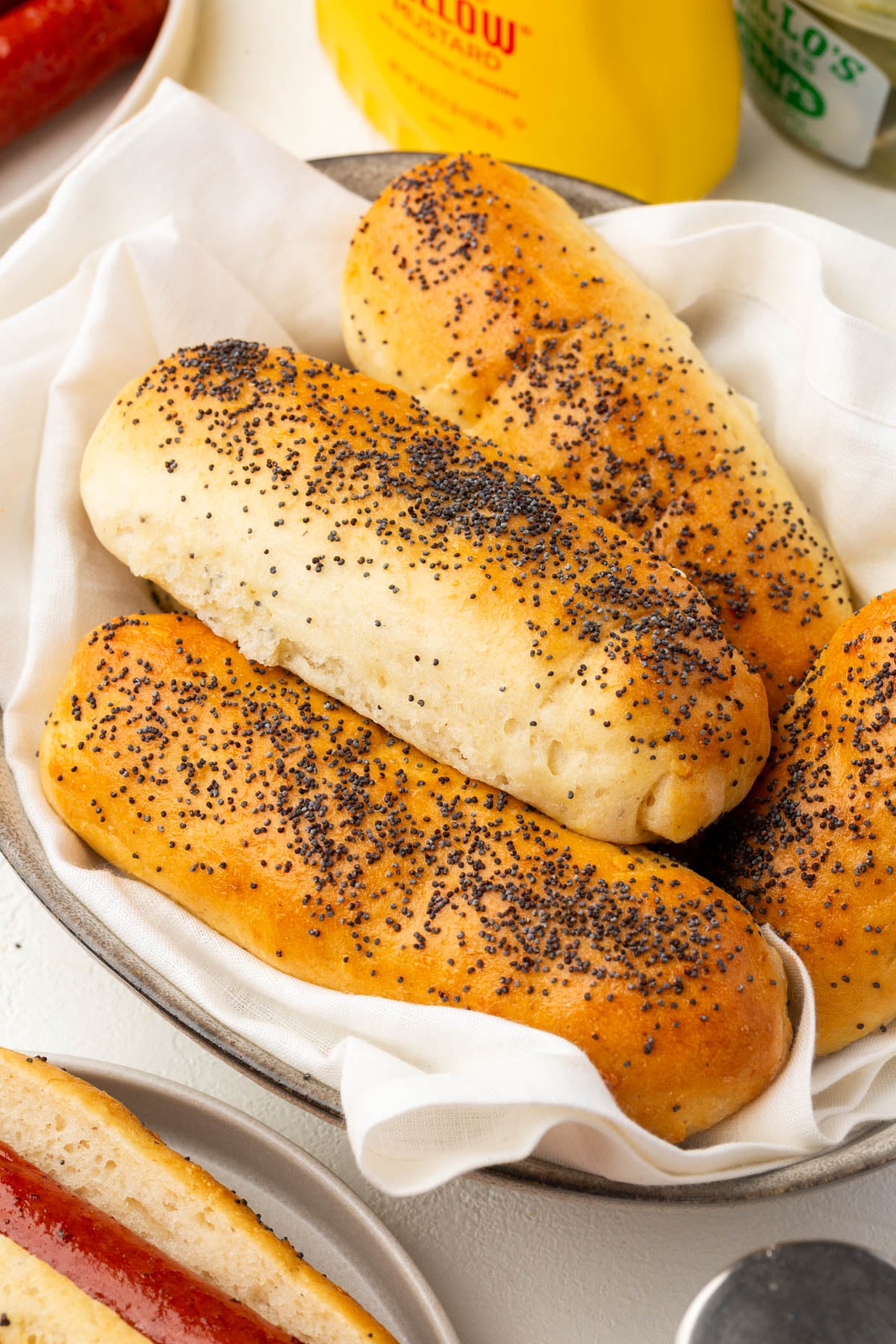
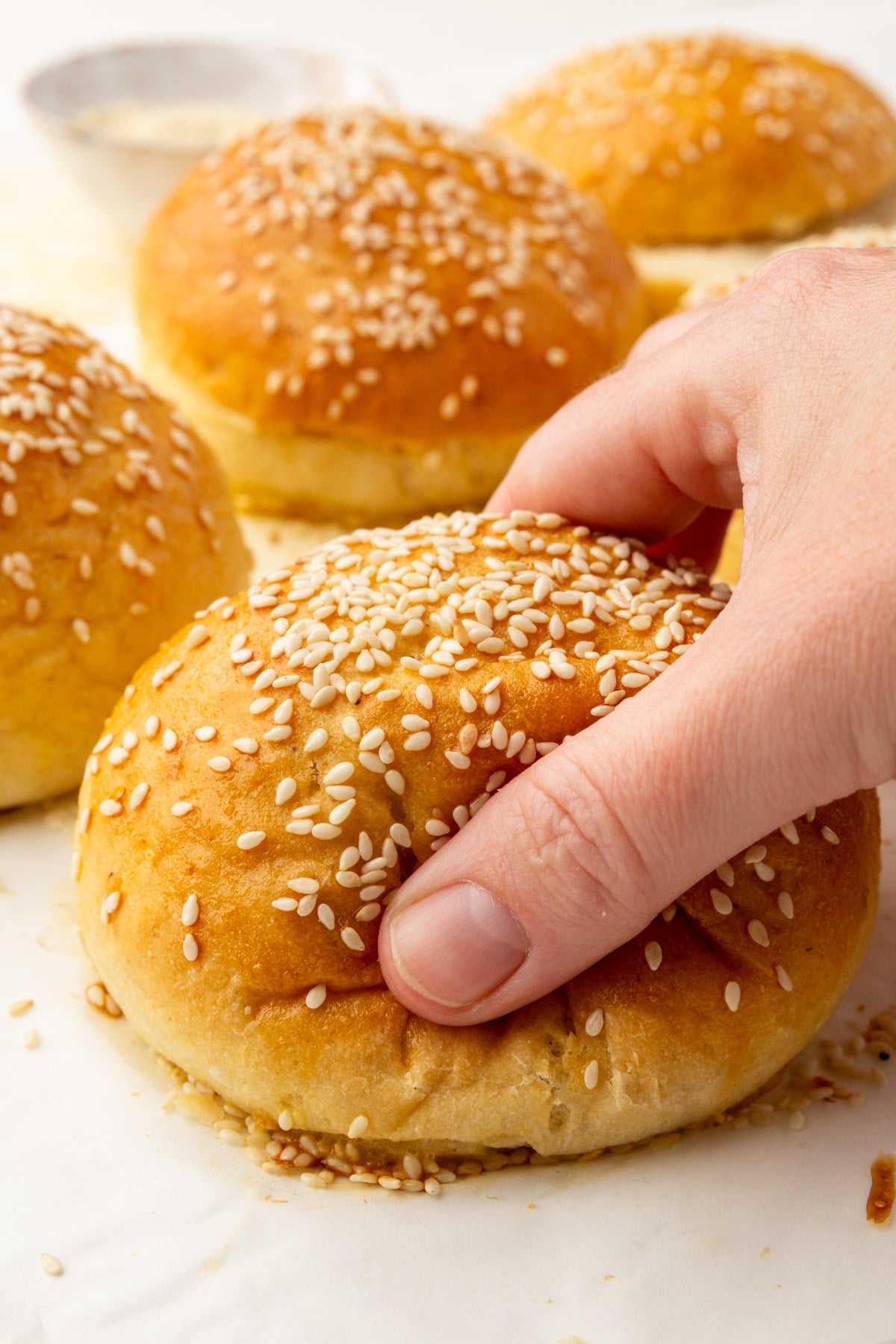
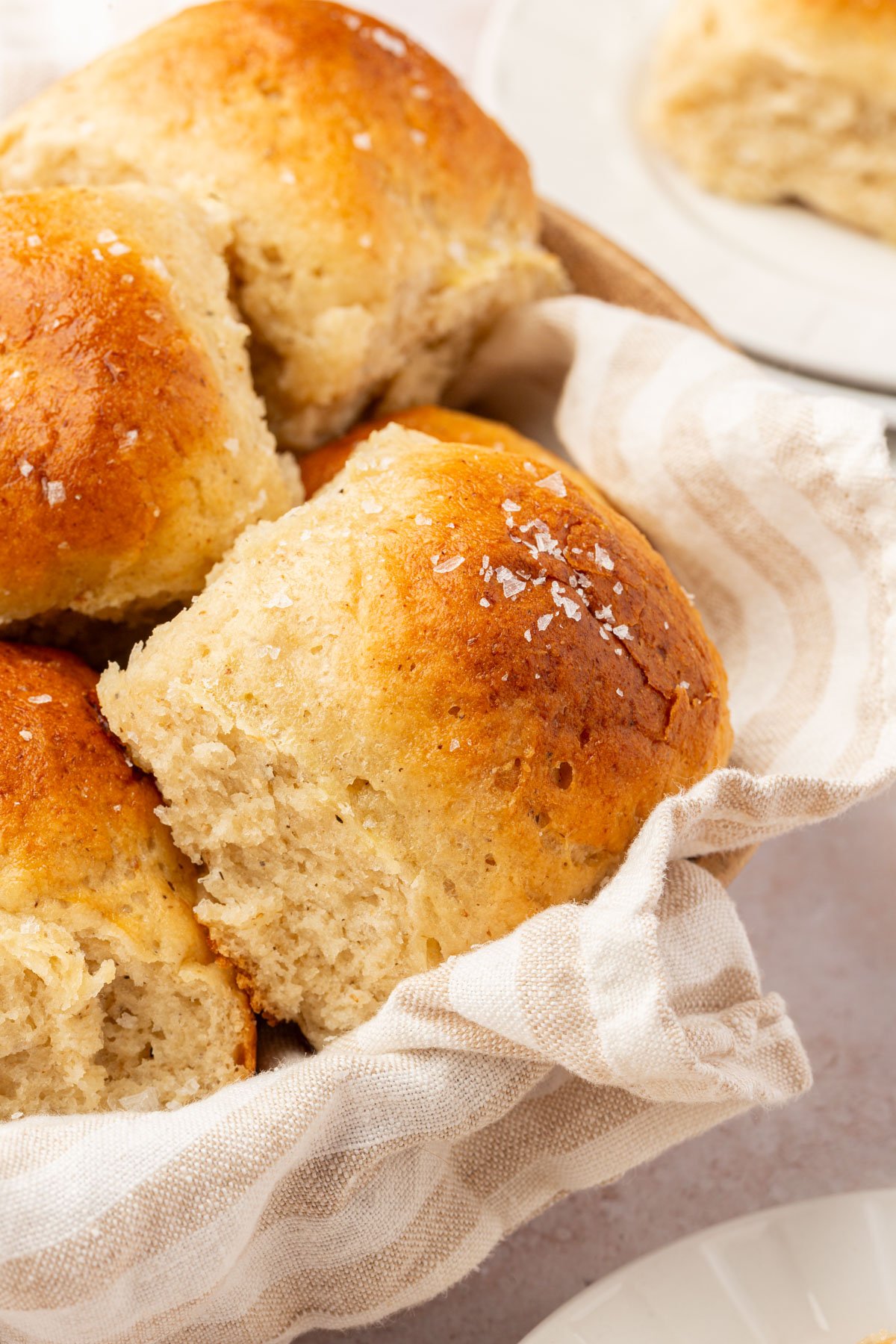
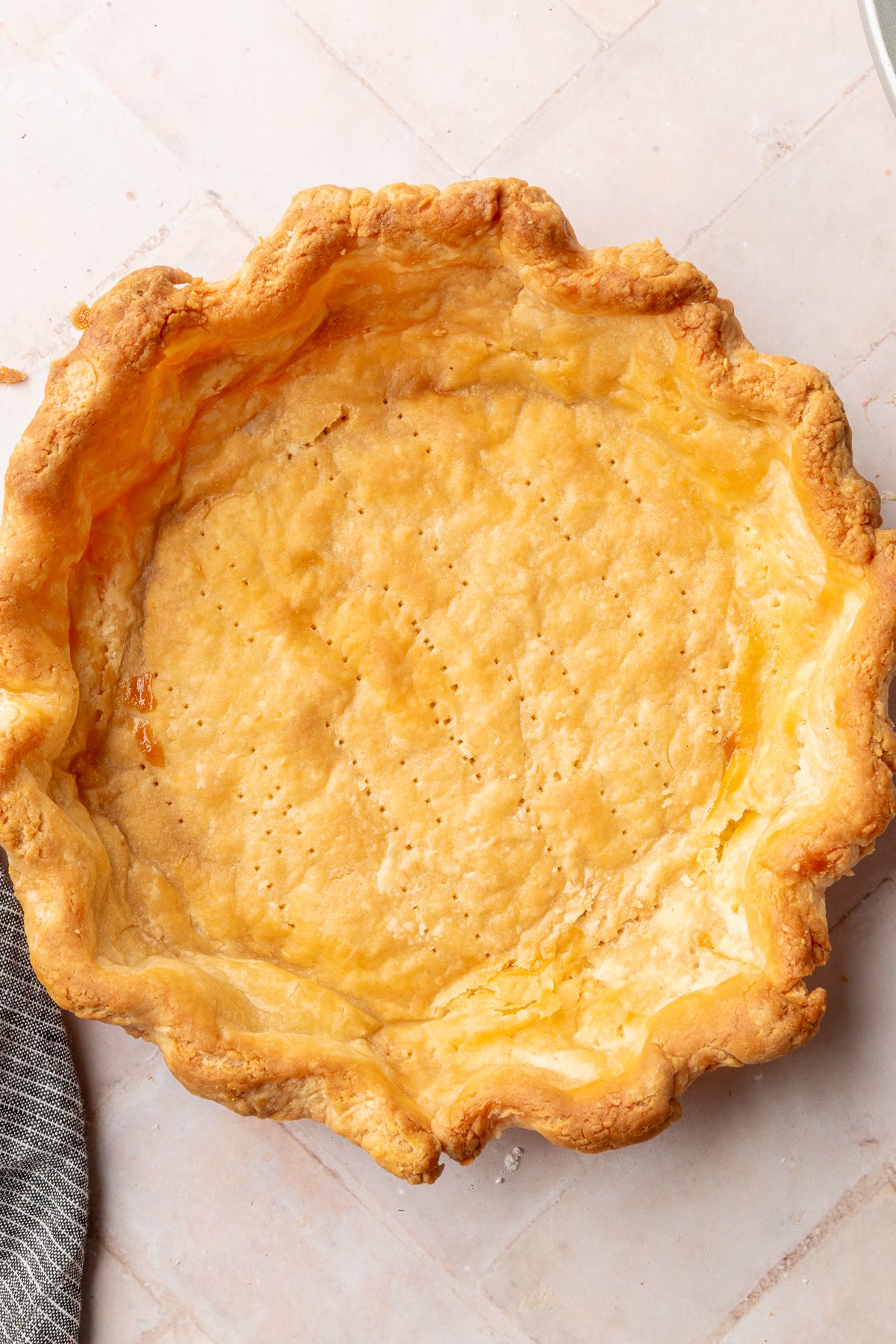
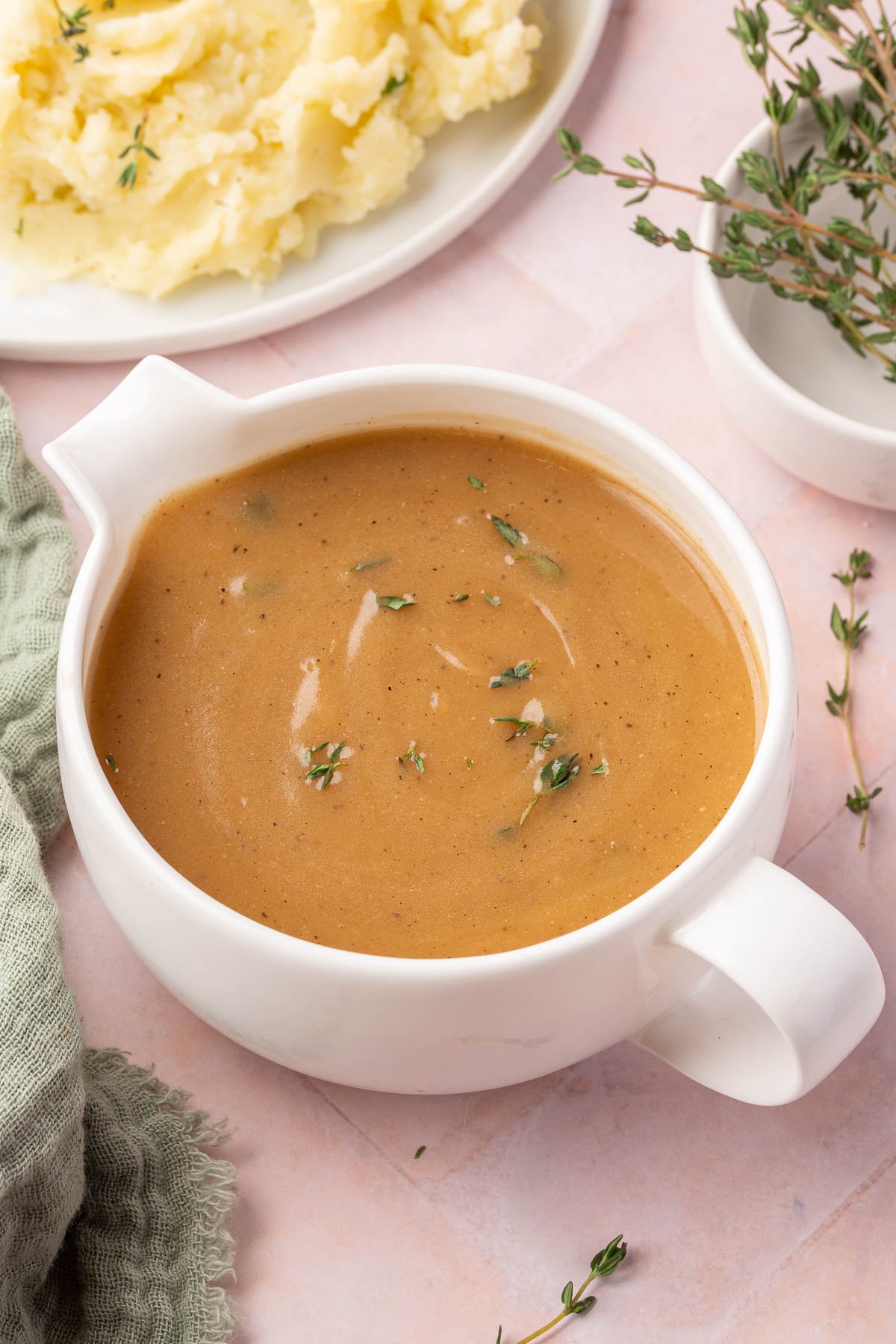
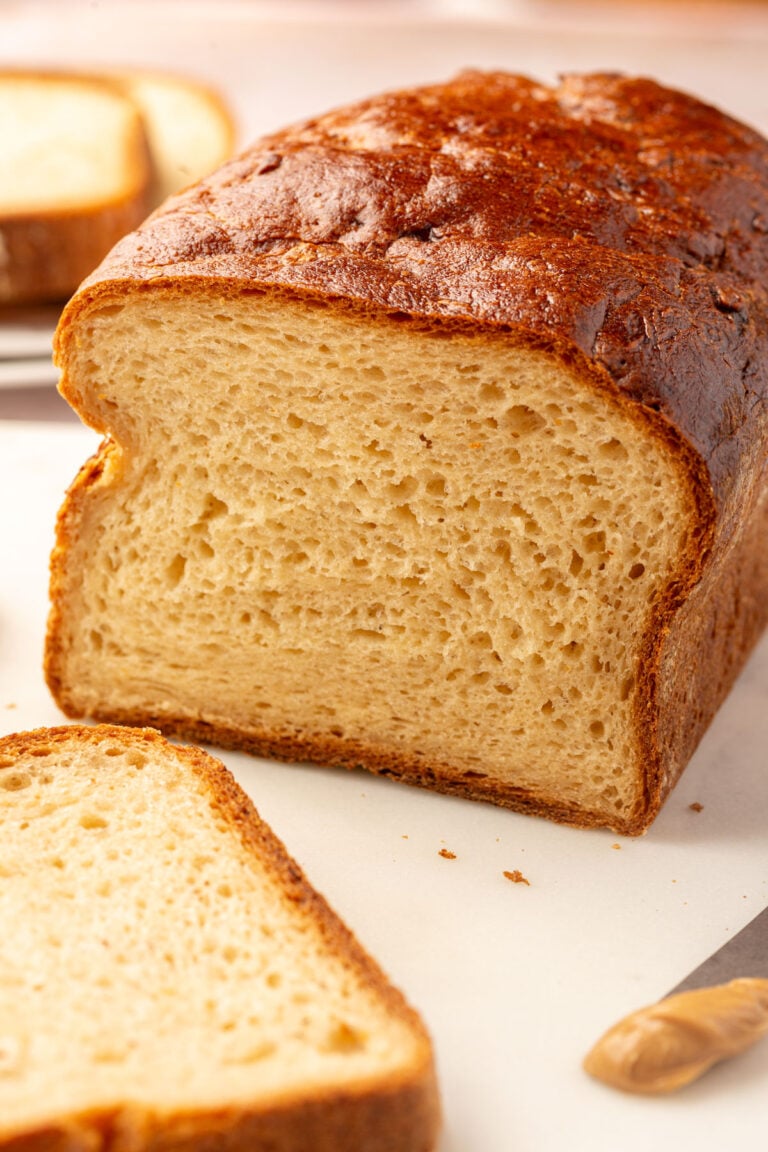
These gluten-free basics are the building blocks of gluten-free cooking and baking, from bread and pie crust to gravy, biscuits, and spice blends. Learn how to make the staples you thought you’d never have again, all tested until they’re just as good as the real thing. Start with my gluten-free pie crust and gluten-free gravy for the holidays, then bake a loaf of gluten-free sandwich bread for every day.
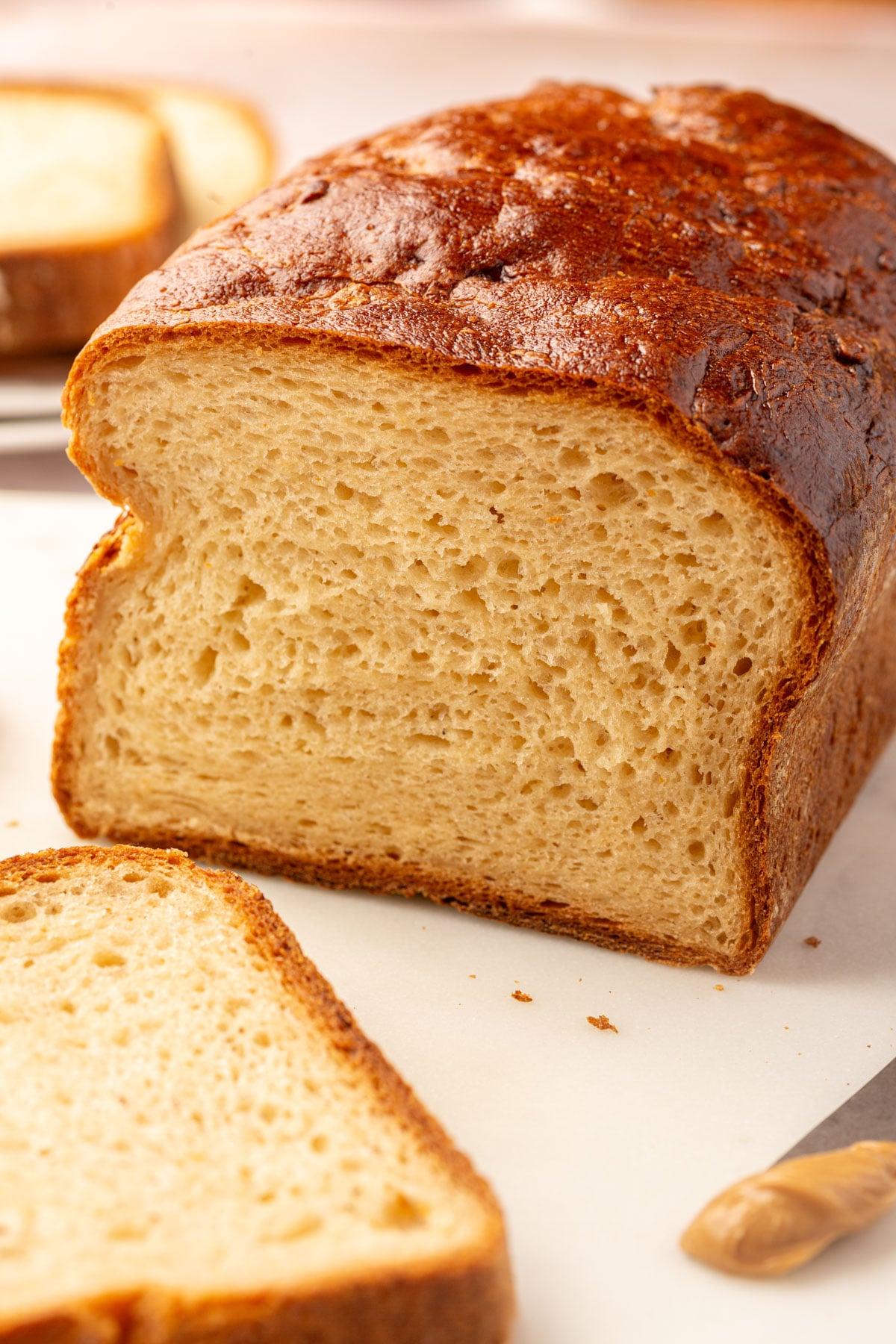
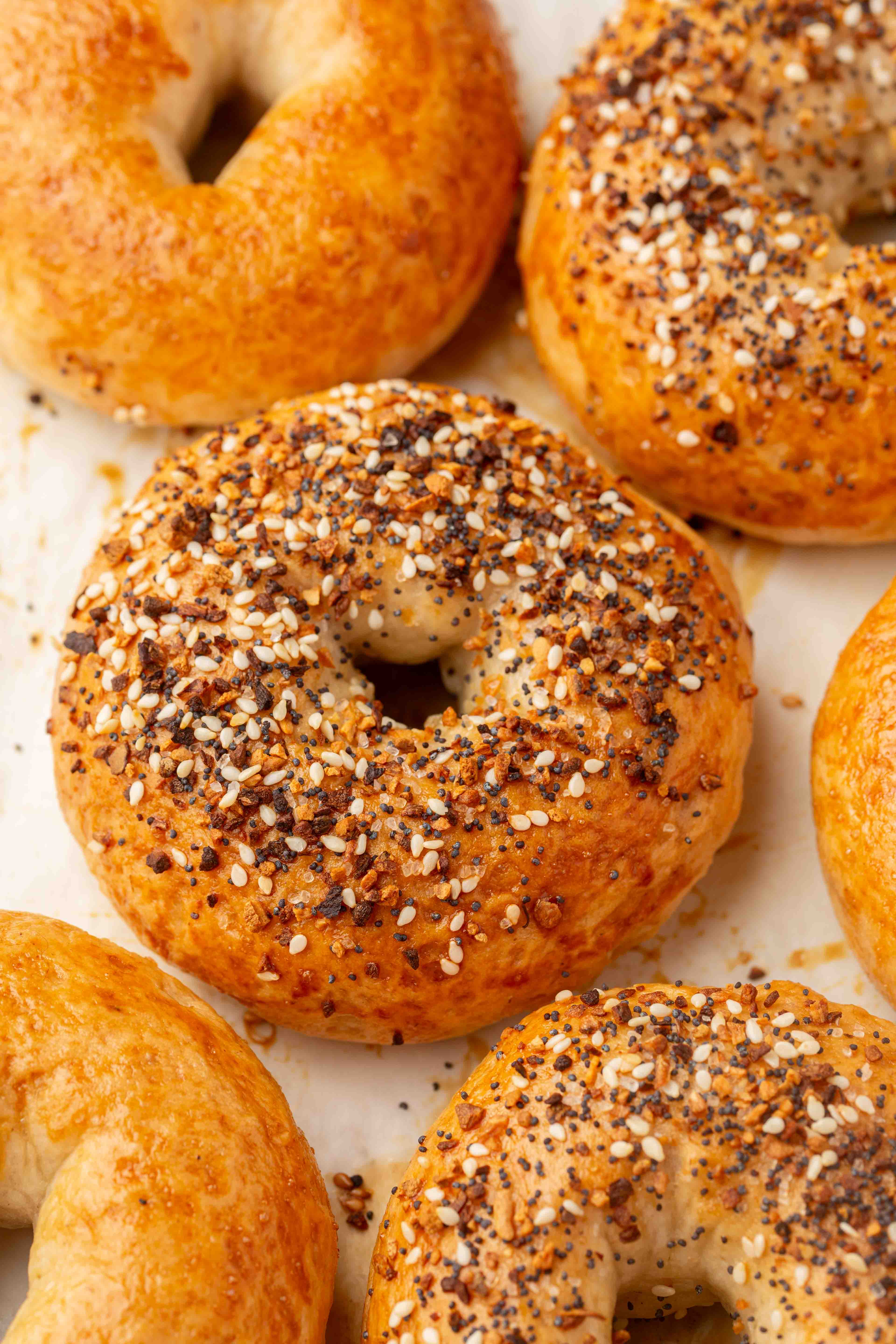
Tips for Gluten-Free Baking Basics

  • Use the flour blend in the recipe. Gluten-free flour blends aren’t all the same. Each post lists the blend I tested with, so use that one for the best results.
  • Weigh your flour. A kitchen scale is more accurate than measuring cups, and that makes a big difference in gluten-free baking.
  • Give doughs time to rest. Gluten-free flours take longer to absorb liquid. Letting dough rest helps it hold together and bake up with better texture.
  • Keep the basics in the freezer. Bread, rolls, buns and pie crusts all freeze well, so you’ll always have a gluten-free staple ready to go.

Latest Gluten-Free Basics

FAQs

What flour do you use for gluten-free baking?

Each recipe lists the exact flour blend I tested it with. Gluten-free blends aren’t interchangeable, so stick with the one in the recipe for the best results.

What else can I make with gluten-free focaccia?

Once you’ve made the classic, try my garlic butter focaccia, blueberry crumble focaccia or Christmas tree focaccia.

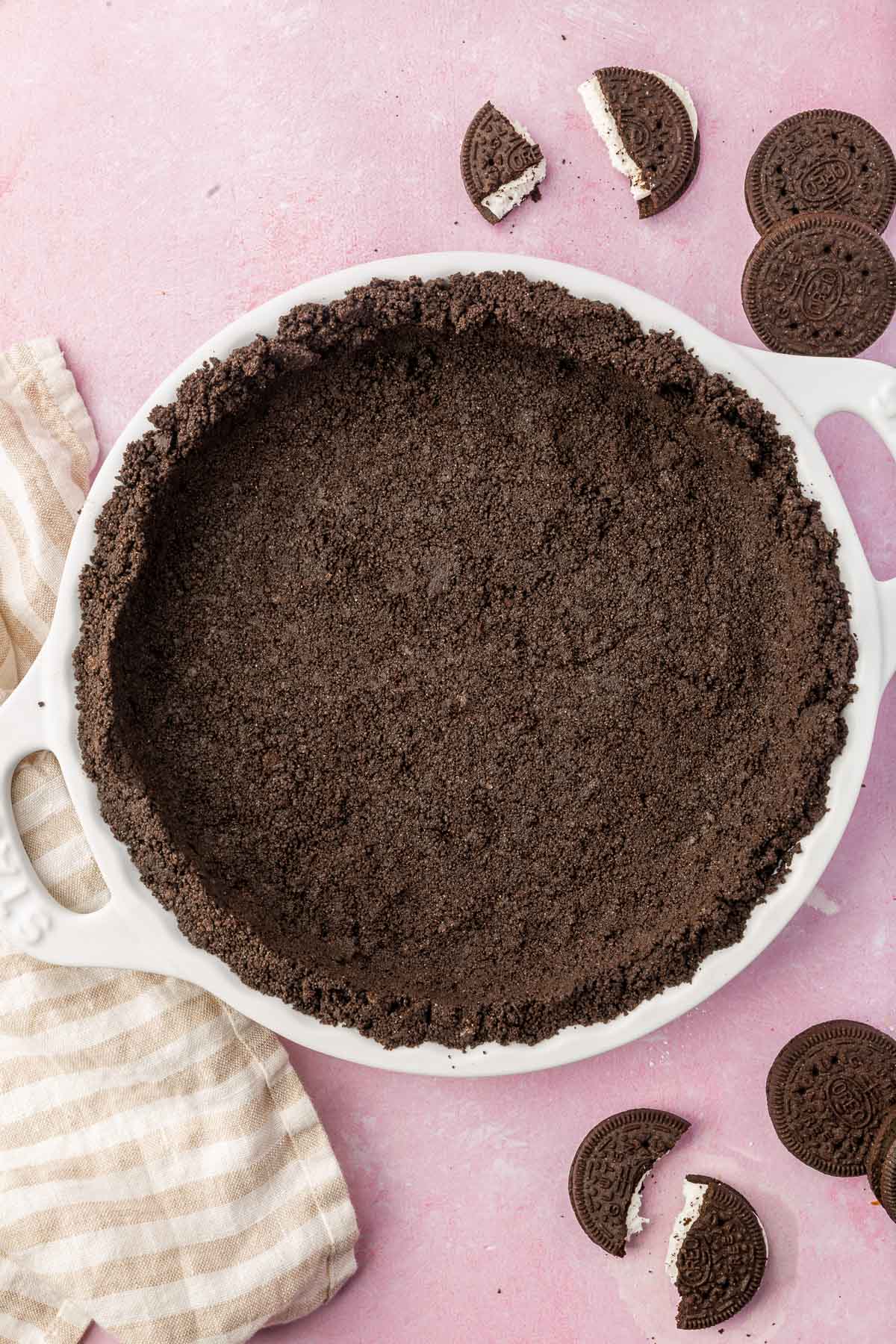
What pies can I make with these crusts?

Try my gluten-free pumpkin pie with a graham cracker crust, or my peach crumble pie for something fruity.
What frosting goes with gluten-free cakes and cupcakes?

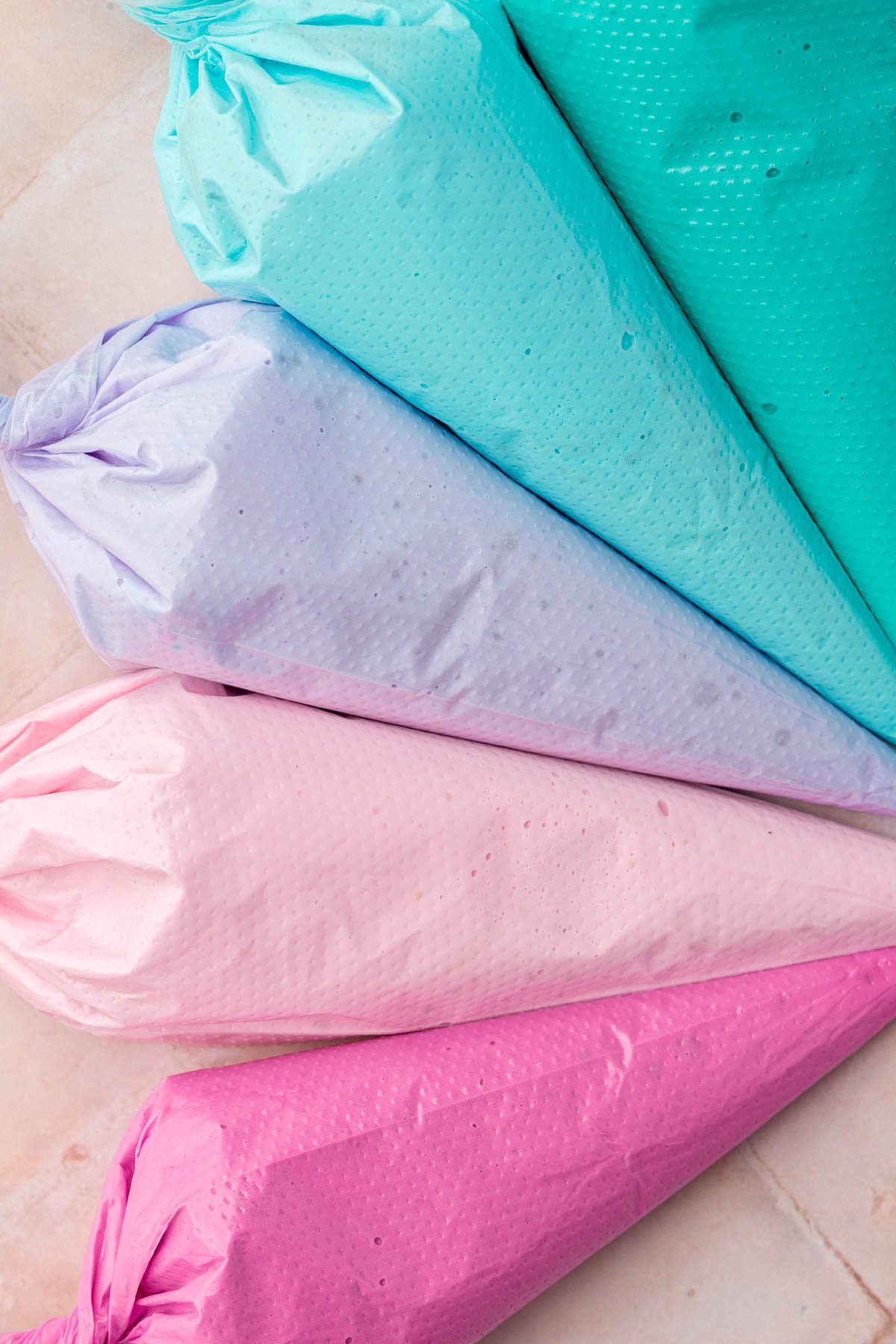
Try my brown butter cream cheese frosting, chocolate cream cheese frosting or peanut butter frosting. Save the royal icing for decorating cookies.

Is roux gluten-free?

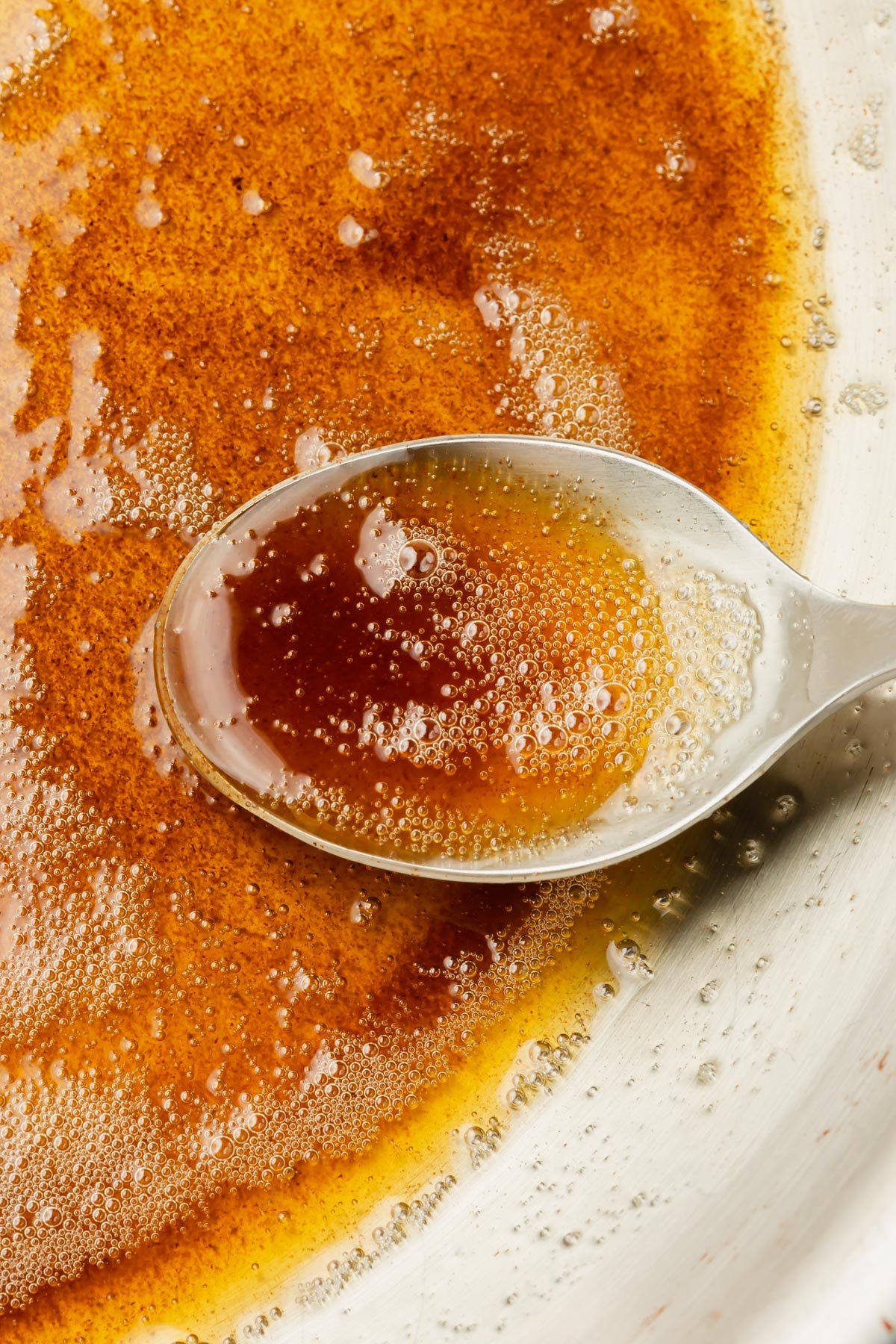
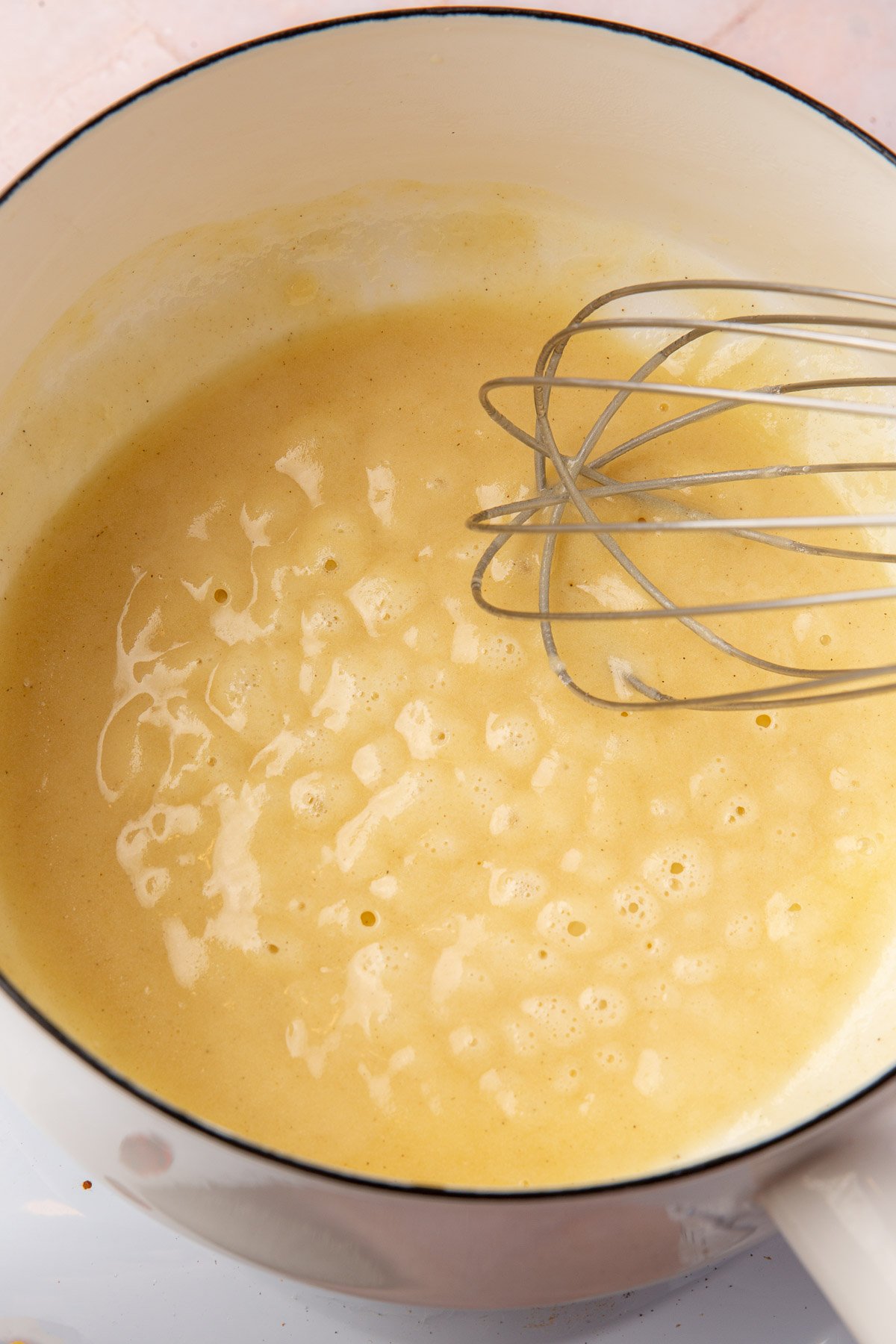
Traditional roux is made with wheat flour, so it isn’t. My gluten-free roux skips the wheat and thickens gravy, soups and sauces just like the classic.