
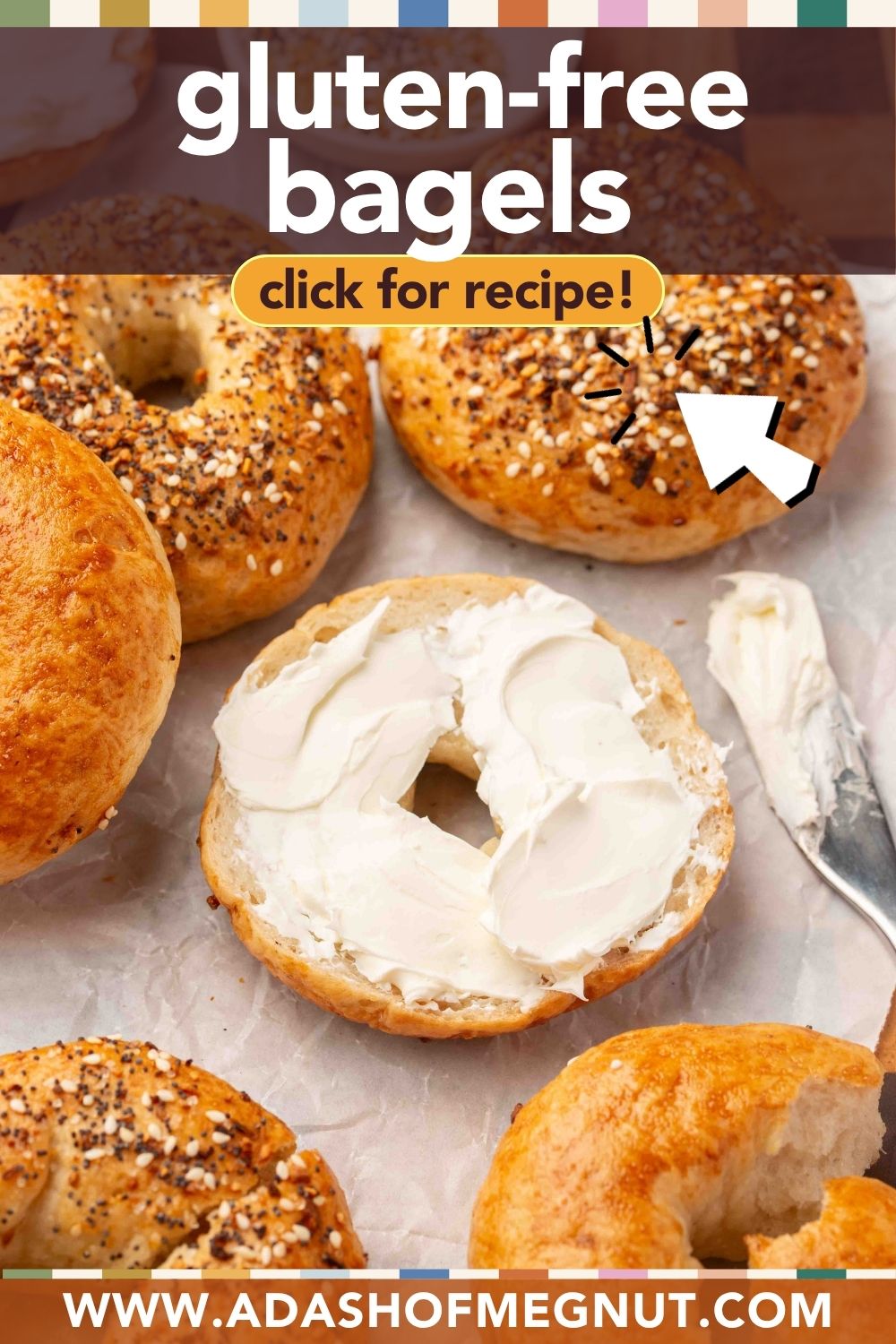
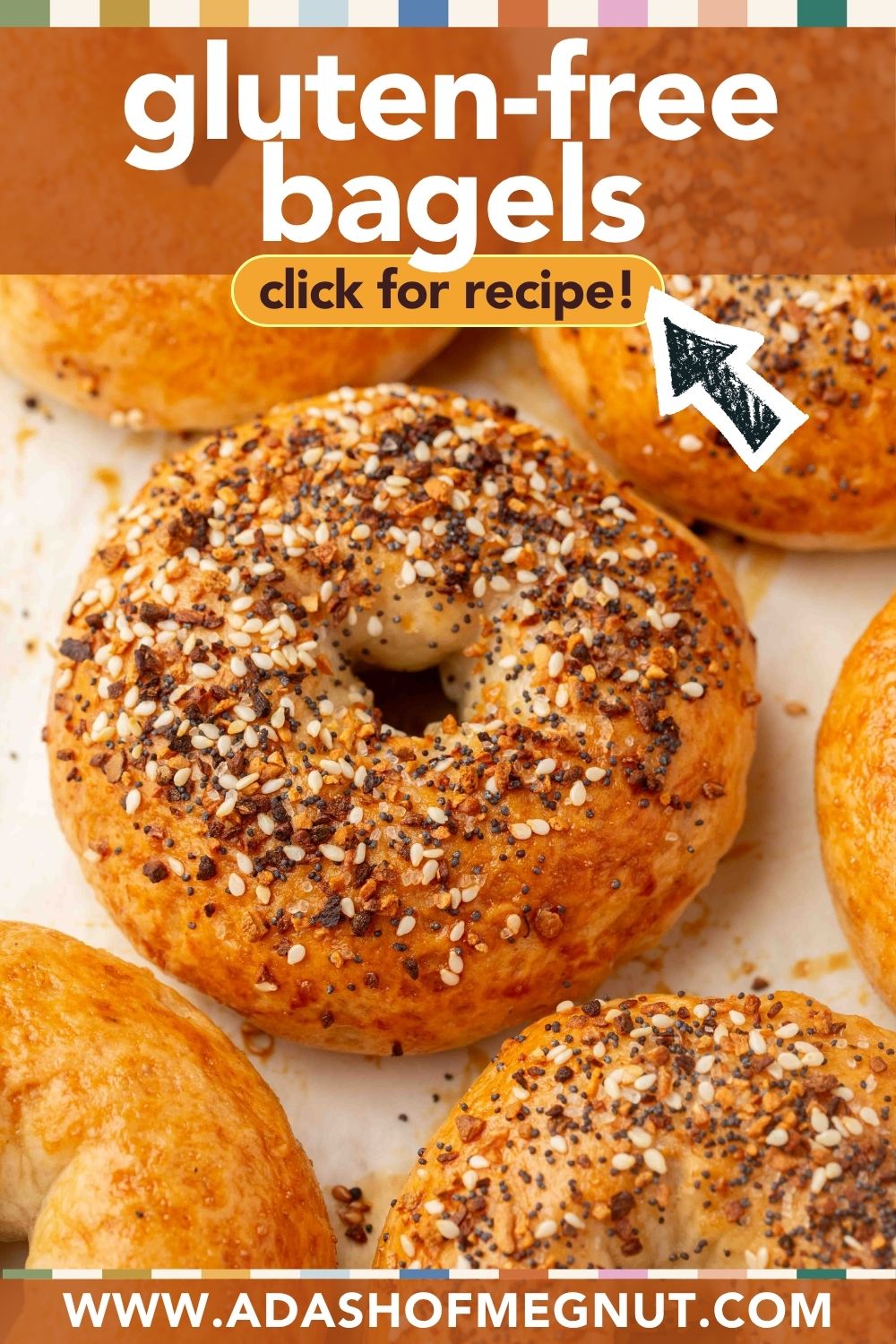
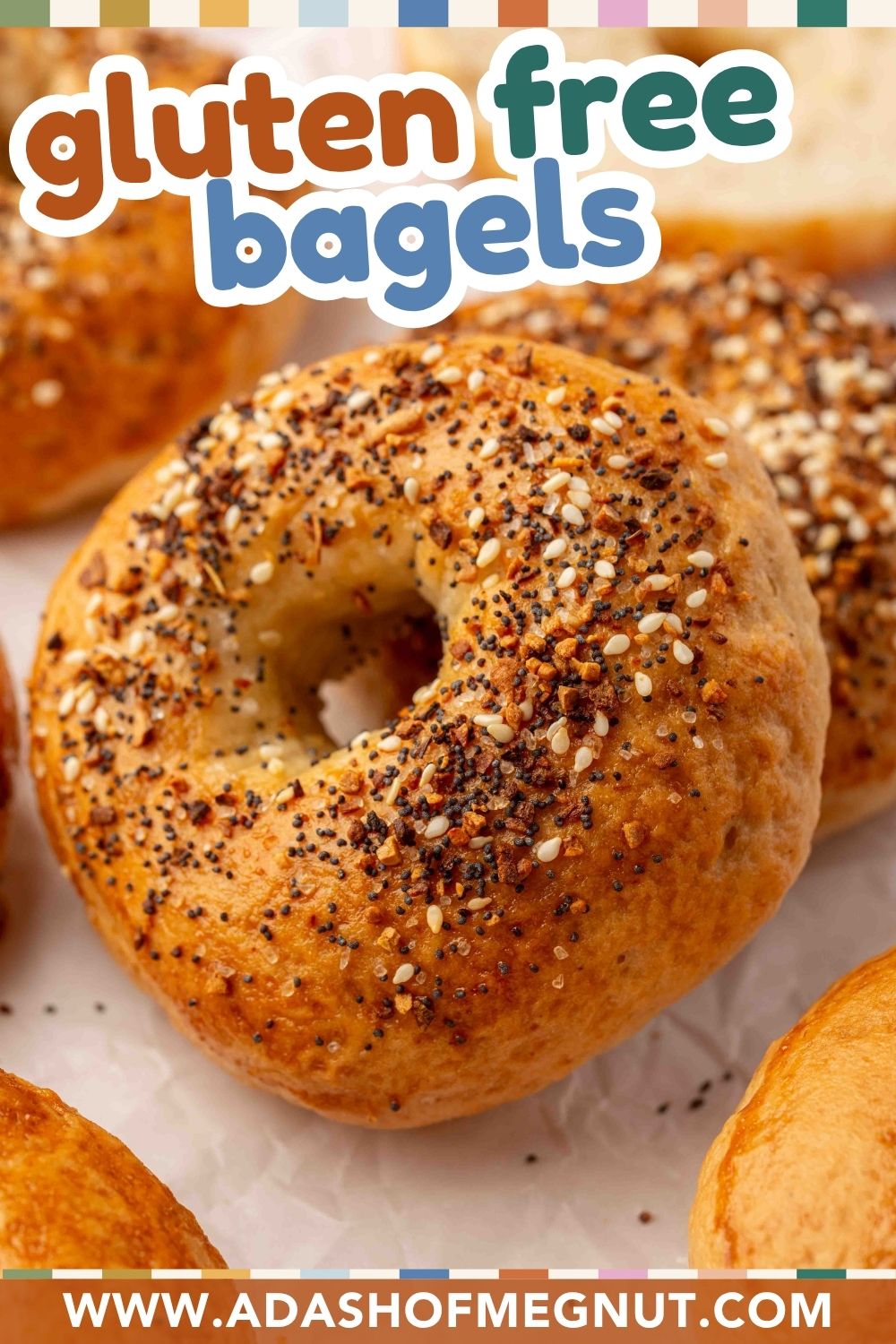
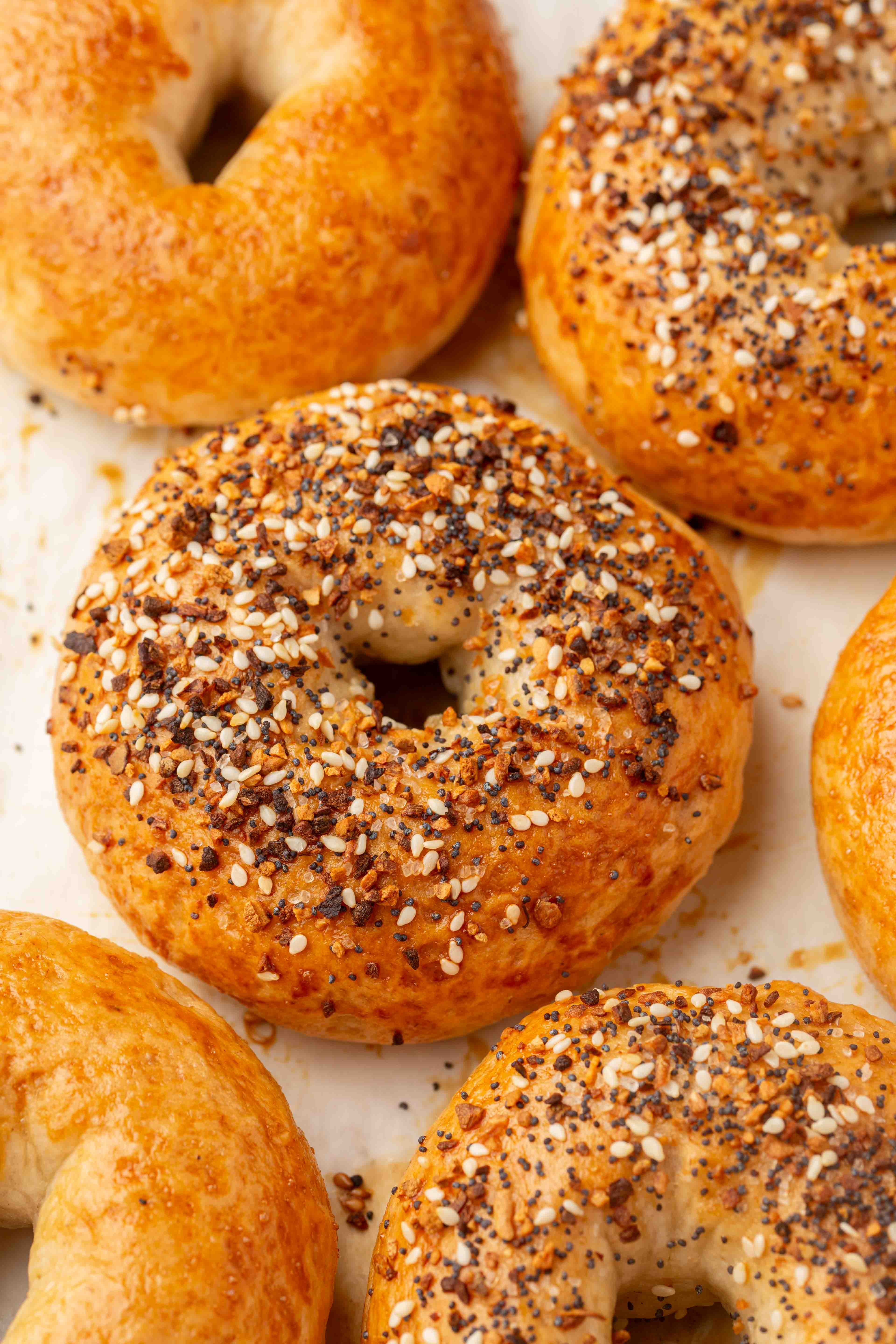
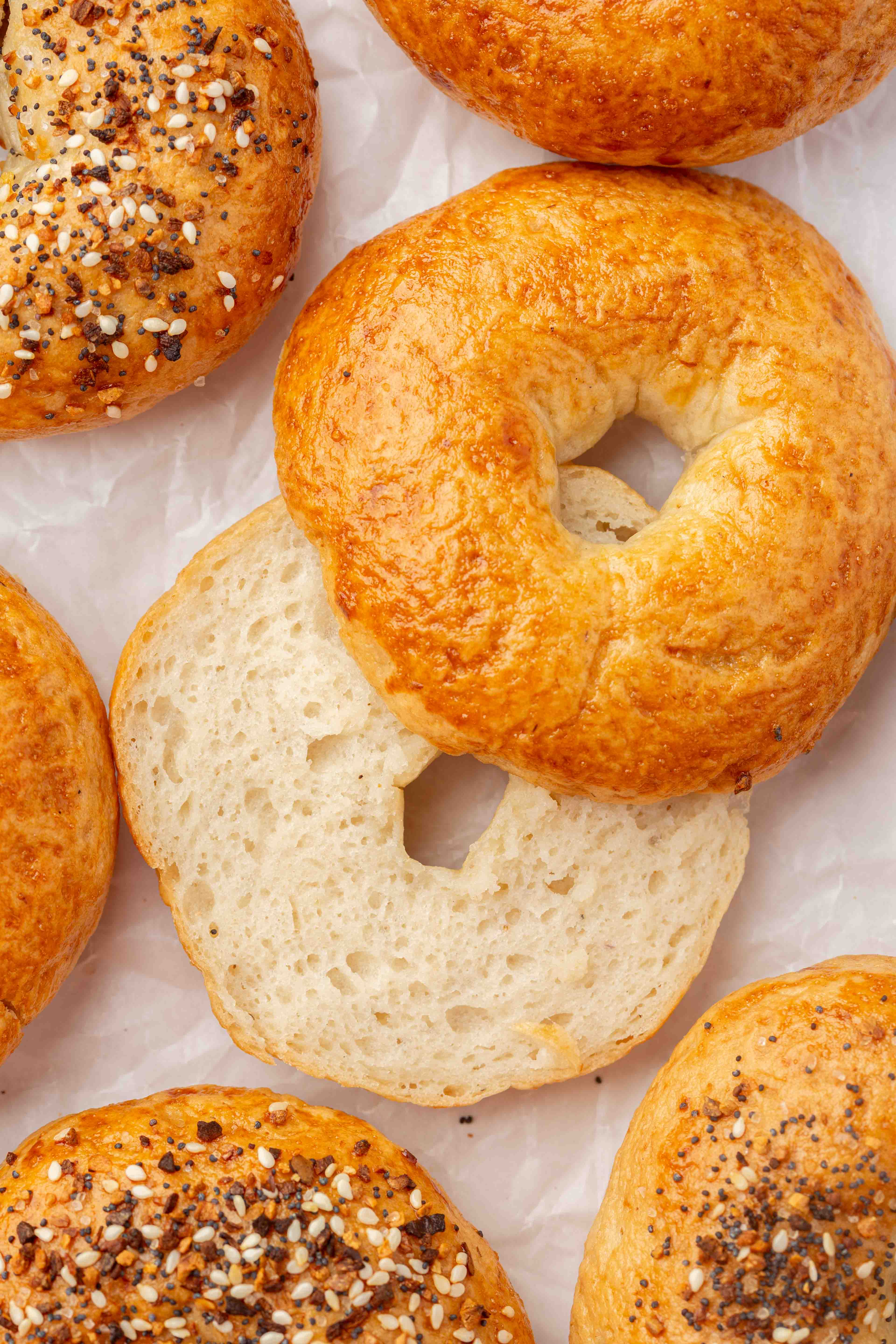
These gluten-free bagels started as a variation of the lean dough I use for my garlic knots. The base is the same: brown rice flour, tapioca starch, potato starch, psyllium husk, and instant yeast. But bagels have different requirements than garlic knots. They need to hold their shape through a boiling water bath, develop a shiny crust, and have that dense, chewy pull that makes a bagel a bagel.
It took four rounds of testing to get there. The first batch was too moist inside. I reduced the water for the second batch and it was better but still not quite right. The third batch got me to the right water amount, and the fourth confirmed that the baking powder I had carried over from my sweet dough system wasn’t needed here at all.
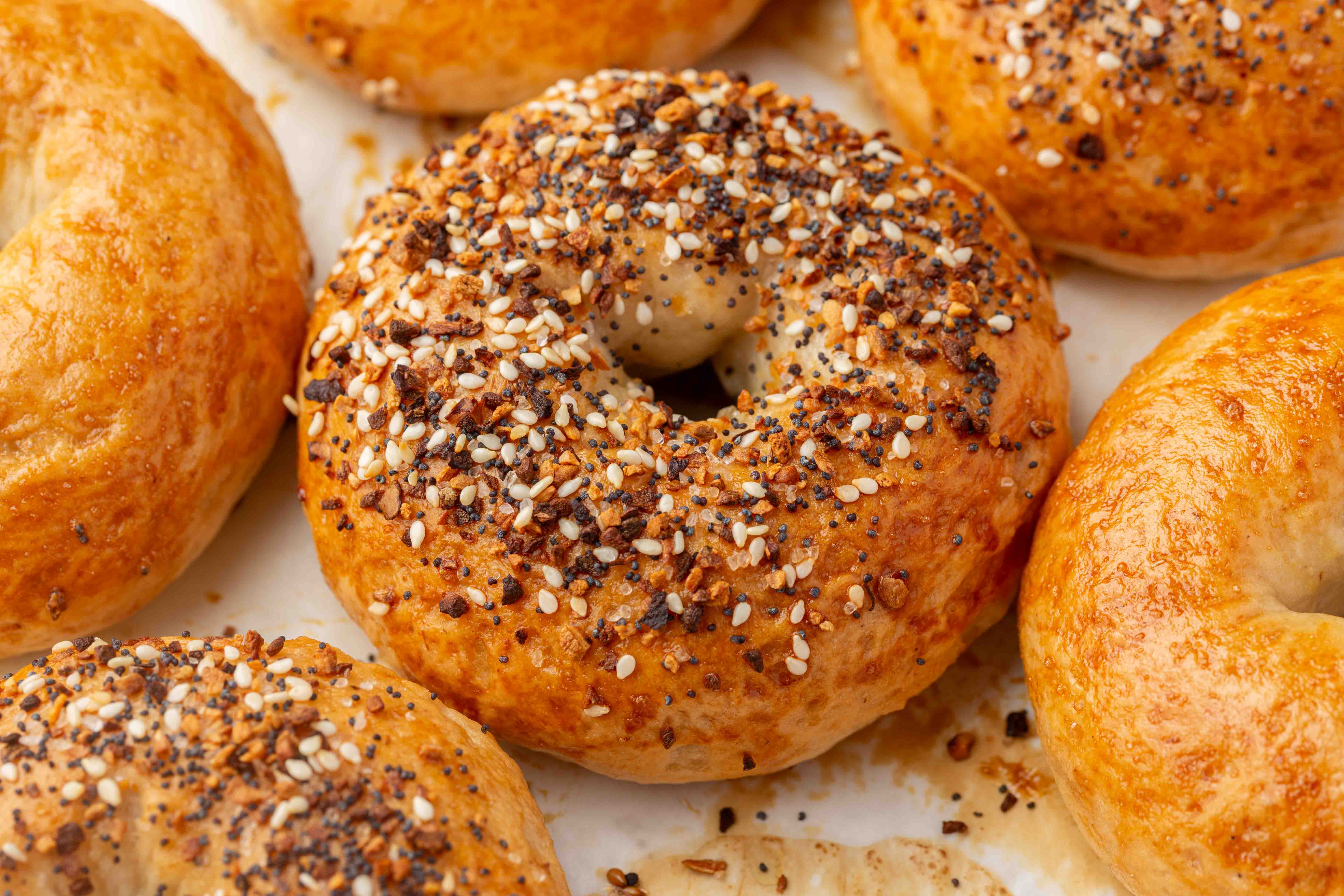
The final recipe is a combination of those last two tests: less water than I started with and no baking powder. Of course, I made it a few more times to make sure we got perfect bagels every time. I tested a few different toppings: sesame seeds, poppy seed, asiago cheese, pepperjack, everything bagel seasoning, and plain. All worked great!
Why You’ll Love This Recipe
Ingredient Notes
- Brown rice flour, tapioca starch, and potato starch – The same flour blend from my garlic knots and dinner rolls. Don’t substitute with a pre-made gluten-free flour blend. Each flour plays a specific role in the structure and chew of the dough. Whole psyllium husk – Use whole, not powder. The powder doesn’t hydrate the same way and will make the dough too dense. Mix it with the warm water first to form a gel before anything else goes in. I use Anthony’s Whole Psyllium Husk (affiliate link).
- Instant yeast – I prefer instant yeast over active dry because it goes straight into the dry ingredients without any activation step. One less thing to manage in a recipe with a few moving parts. Make sure yours isn’t expired.
- Warm water – The water needs to be warm enough to activate the yeast but not so hot that it kills it. Aim for 100°F to 110°F. Use a thermometer if you can to confirm the temperature. The psyllium gel uses the same temperature water as the rest of the wet ingredients. I like to make a gel with 160g of the water and then once that has gelled, I add the remaining water.
- Brown sugar for the water bath – Traditional bagel recipes use barley malt syrup in the water bath, but barley contains gluten so that’s not an option here. Brown sugar is the gluten-free swap that still gives the bagels their shiny crust and a subtle sweetness on the outside.
Don’t Skip the Boiling Step
Boiling the bagels before baking is what separates a bagel from a bread roll. The hot water bath sets the crust and gives the bagels their characteristic chew. It also helps them hold their shape in the oven. Two rounds of 45 seconds each, one on each side, is all you need.
Recipe FAQs
No. This recipe is built around a specific ratio of brown rice flour, tapioca starch, and potato starch. A pre-made blend has different ratios and added ingredients that will change how the dough handles and the final texture of the bagel. Stick with the individual flours and weigh everything.
Yes. Bagels are best the day they’re made but they freeze well. Let them cool completely, slice them before freezing, and store in a freezer bag for up to 3 months. Toast straight from frozen.
The dough is thick and takes a full 5 minutes of mixing to come together properly. A stand mixer with the dough hook is strongly recommended.
Expert Tips
Storage Instructions
Storing: Bagels are best the day they’re made. Store leftovers in an airtight container at room temperature for up to 2 days. The crust will soften overnight but the bagels will still taste good toasted.
Freezing: Let the bagels cool completely before freezing. Slice them before they go in the freezer so they’re ready to use straight from frozen. Store in a freezer bag for up to 3 months. Toast directly from frozen.
Serving Suggestions
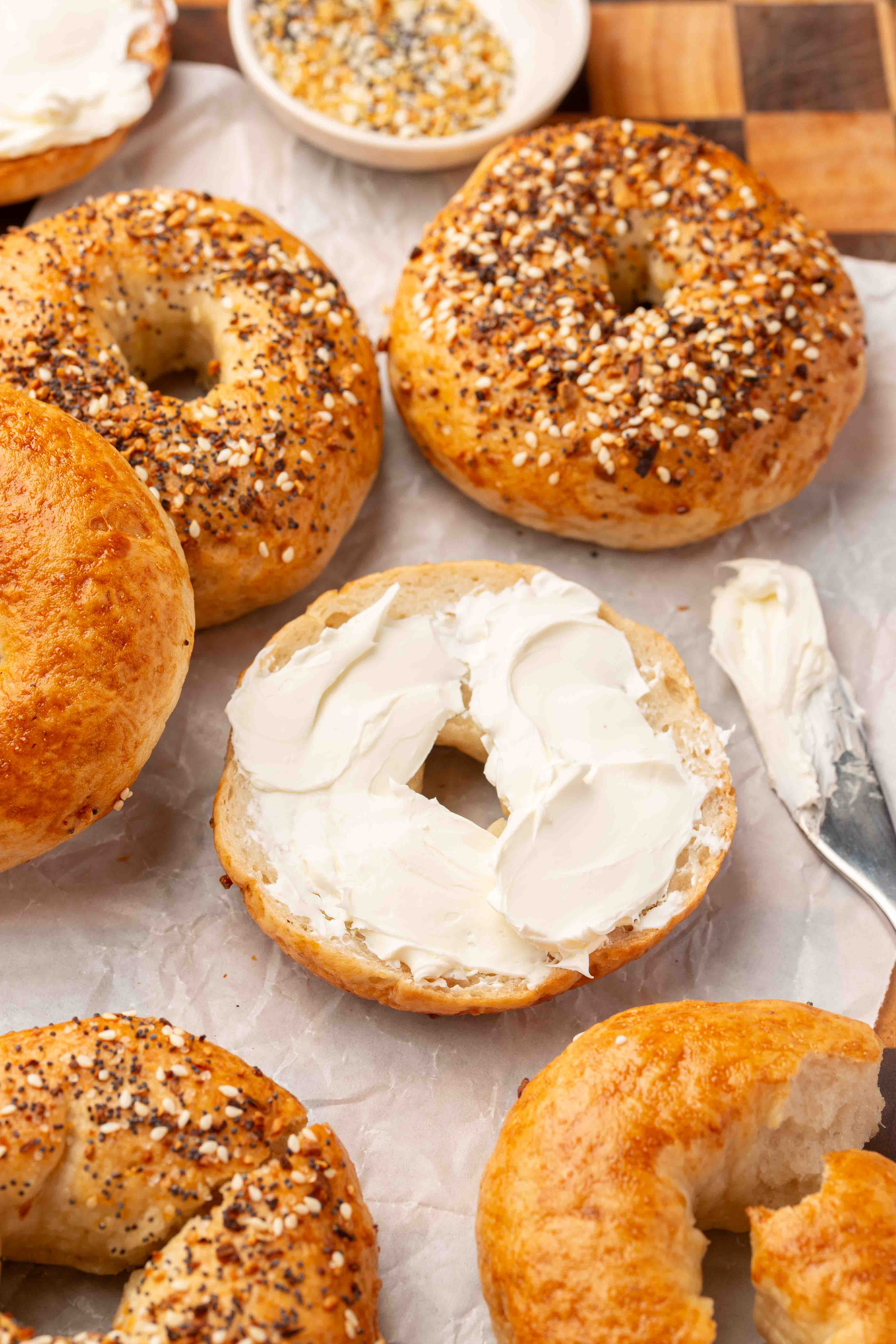
A bagel is really just a vehicle for what goes on top. I like mine with cream cheese and lox, or turned into a breakfast sandwich with a fried egg and whatever cheese I have. My Green Onion Dip is also really good as a cream cheese alternative if you want something a little different. If you’re doing a full brunch spread, my Gluten-Free Quiche Lorraine is easy to make ahead and pairs well alongside the bagels. If you’re feeding a bigger group, I’d make a double batch of these gluten-free bagels with different toppings along with my Gluten-Free Breakfast Casserole.
Gluten-Free Bagels
Ingredients
Dry Ingredients:
- 190 g brown rice flour
- 115 g tapioca starch
- 50 g potato starch
- 25 g granulated sugar
- 8 g kosher salt
- 7 g instant yeast
- 6 g xanthan gum
Psyllium Gel:
- 16 g whole psyllium husk - do not use powdered psyllium husk
- 160 g warm water - 100 to 110°F
Wet Ingredients:
- 140 g warm water - 100 to 110°F
- 28 g olive oil
- 5 g apple cider vinegar
For Boiling:
- 8 cups water
- 3 tablespoons brown sugar
For Topping:
- 1 large egg - beaten (egg wash)
- Everything bagel seasoning - sesame seeds, poppy seeds, or coarse salt (optional)
**Use the toggle button above to turn the instruction photos on and off!
Instructions
Mix the dry ingredients:
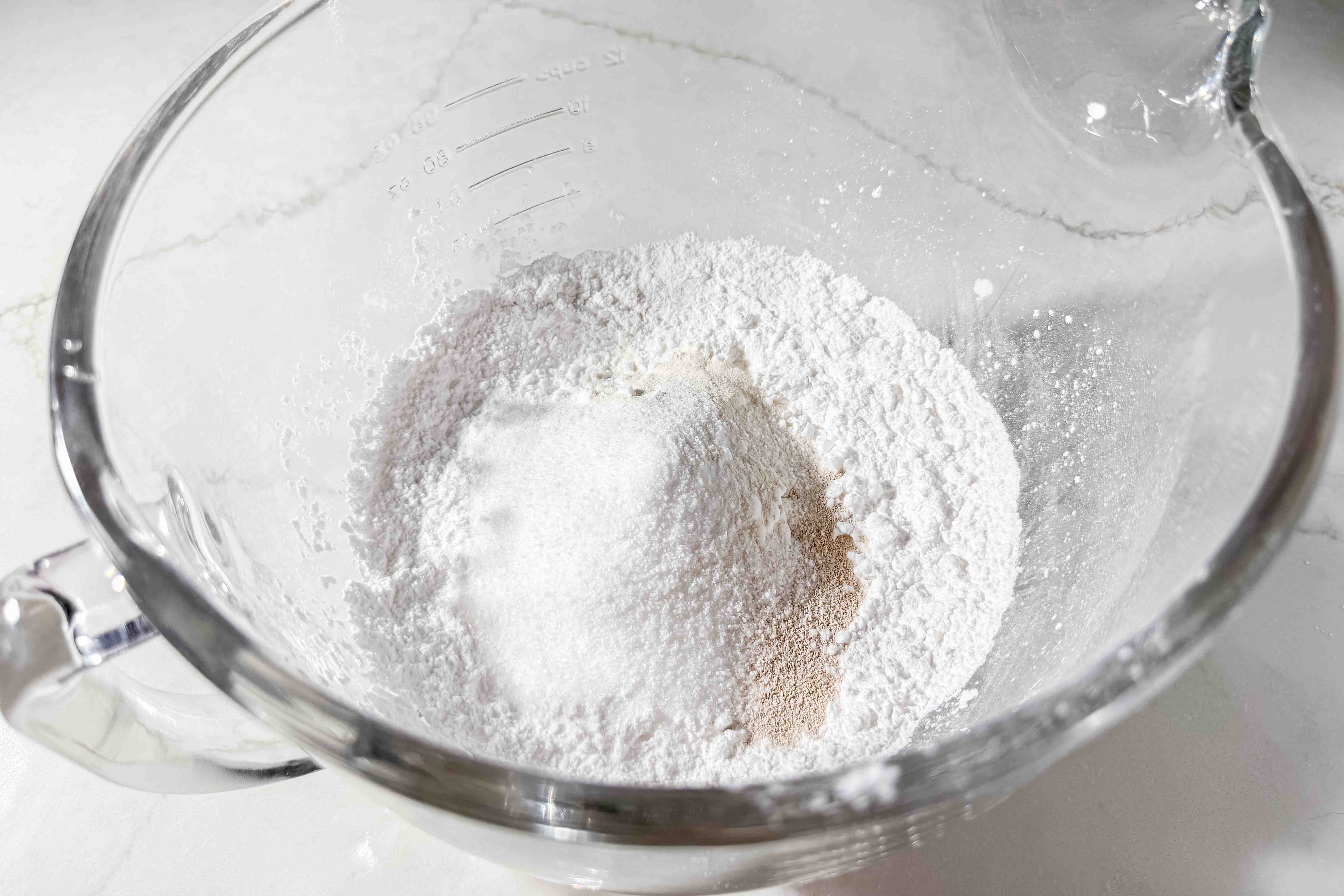
- In the bowl of a stand mixer, whisk together 190 g brown rice flour, 115 g tapioca starch, 50 g potato starch, 25 g granulated sugar, 8 g kosher salt, 7 g instant yeast, and 6 g xanthan gum.
Make the psyllium gel:
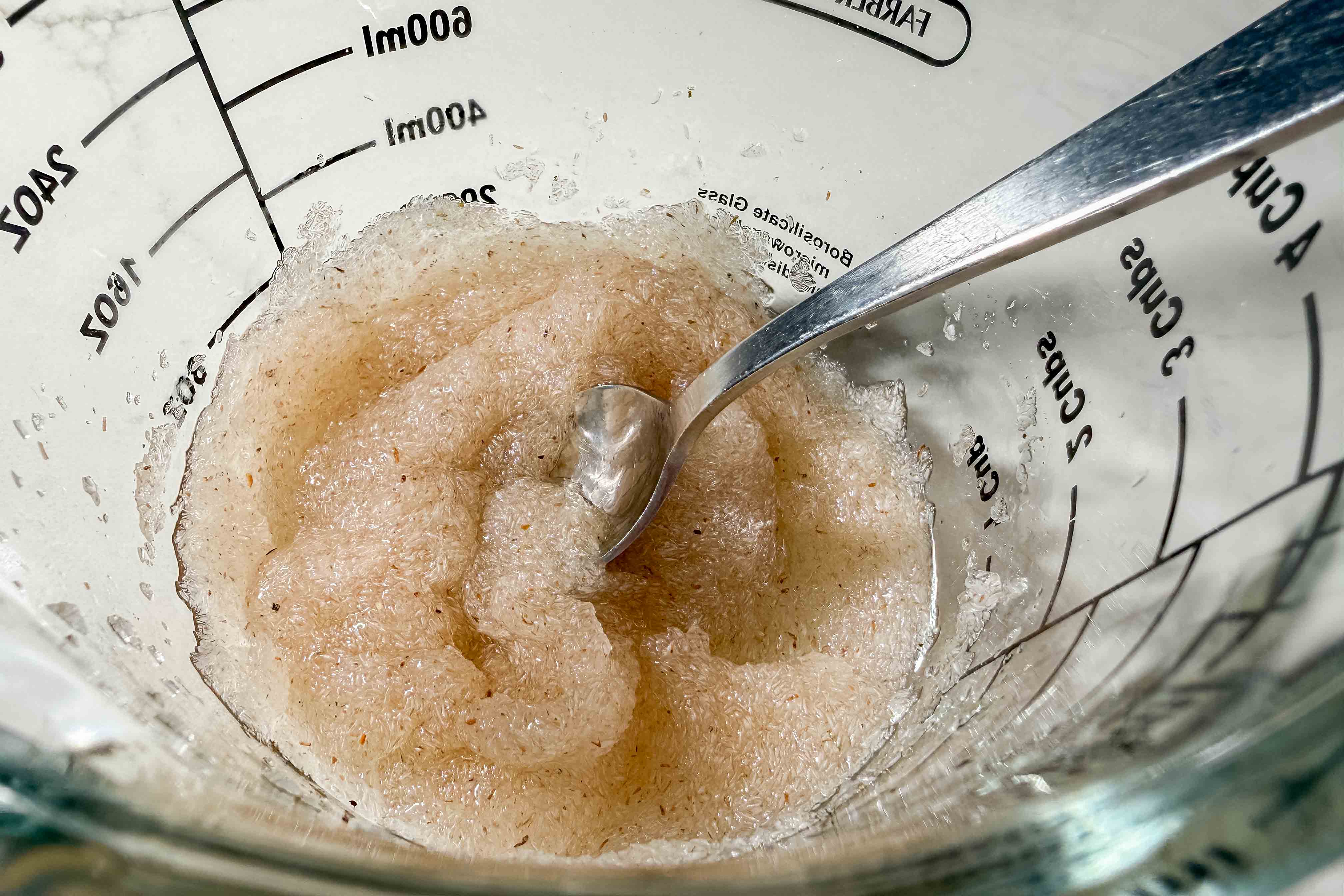
- In a small bowl, combine 16 g whole psyllium husk and 160 g warm water. Stir well and let sit for 2 to 3 minutes until a thick gel forms.
Make the wet mixture:
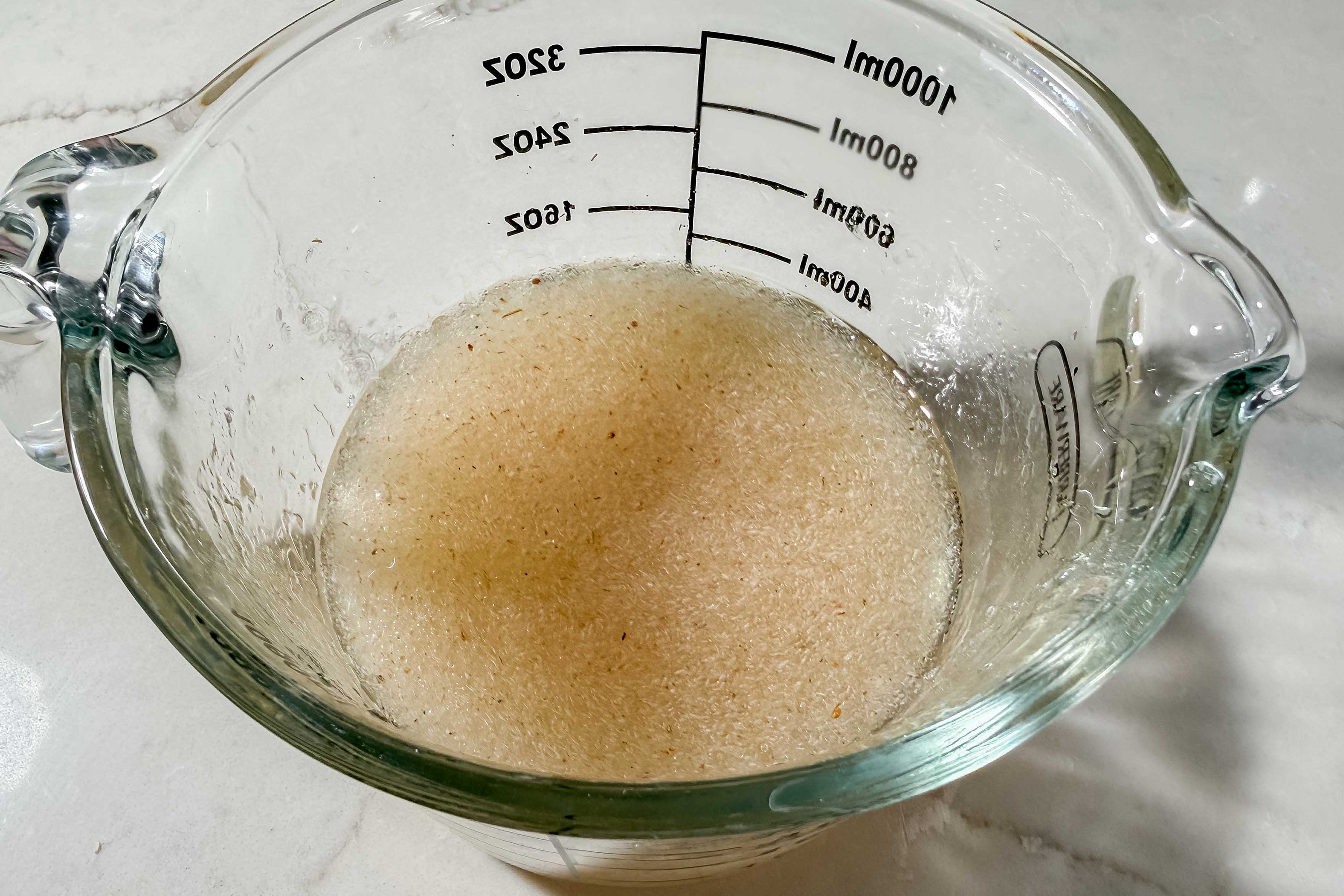
- Add 140 g warm water, 28 g olive oil, and 5 g apple cider vinegar directly to the psyllium gel. Mix until evenly combined.
Mix the dough:
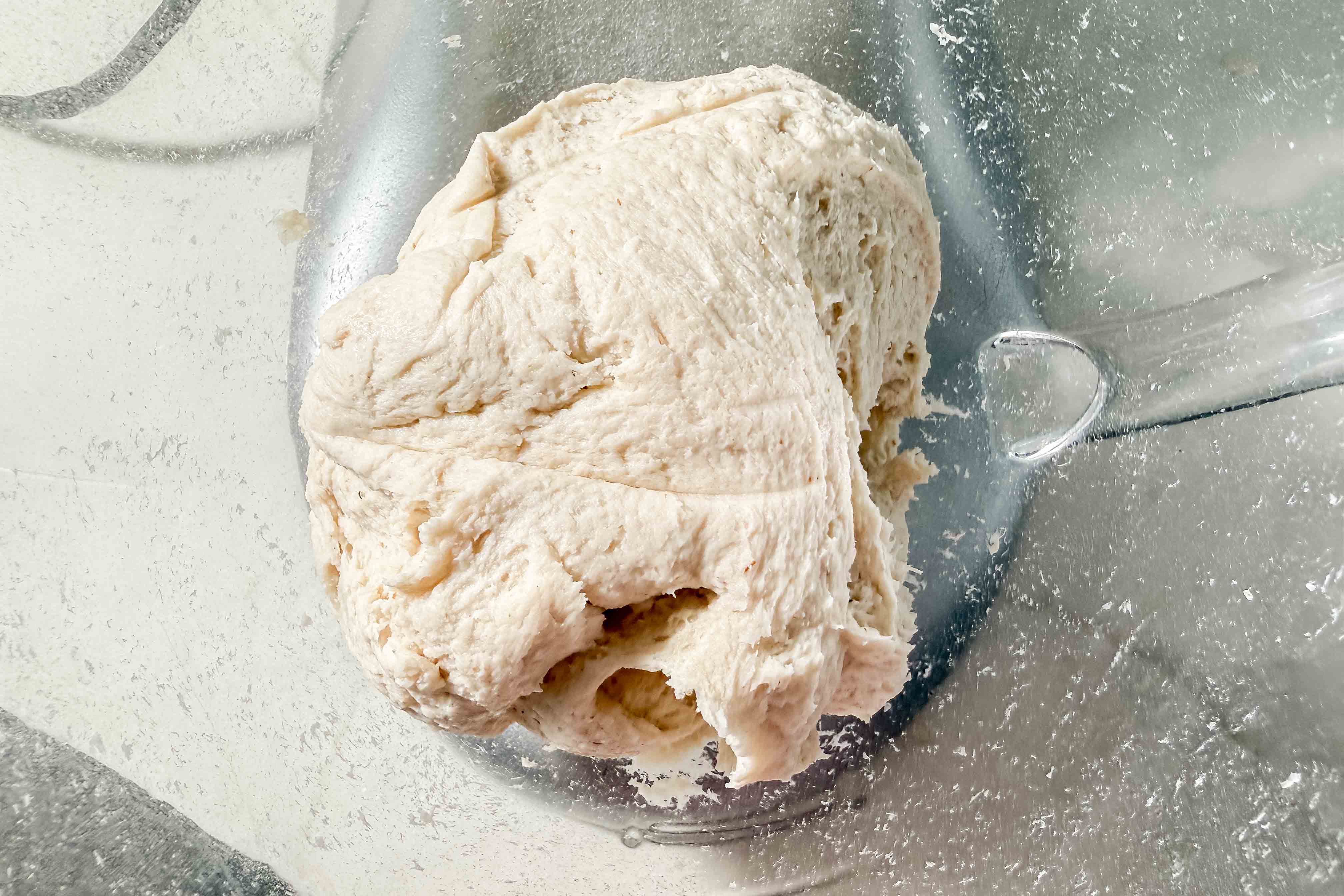
- Add the wet mixture to the dry ingredients. Mix with the dough hook attachment on low until combined, then increase to medium and mix for about 5 minutes until you have a smooth, cohesive dough.
Divide and shape:
- Divide the dough into 6 equal portions, about 125g each.
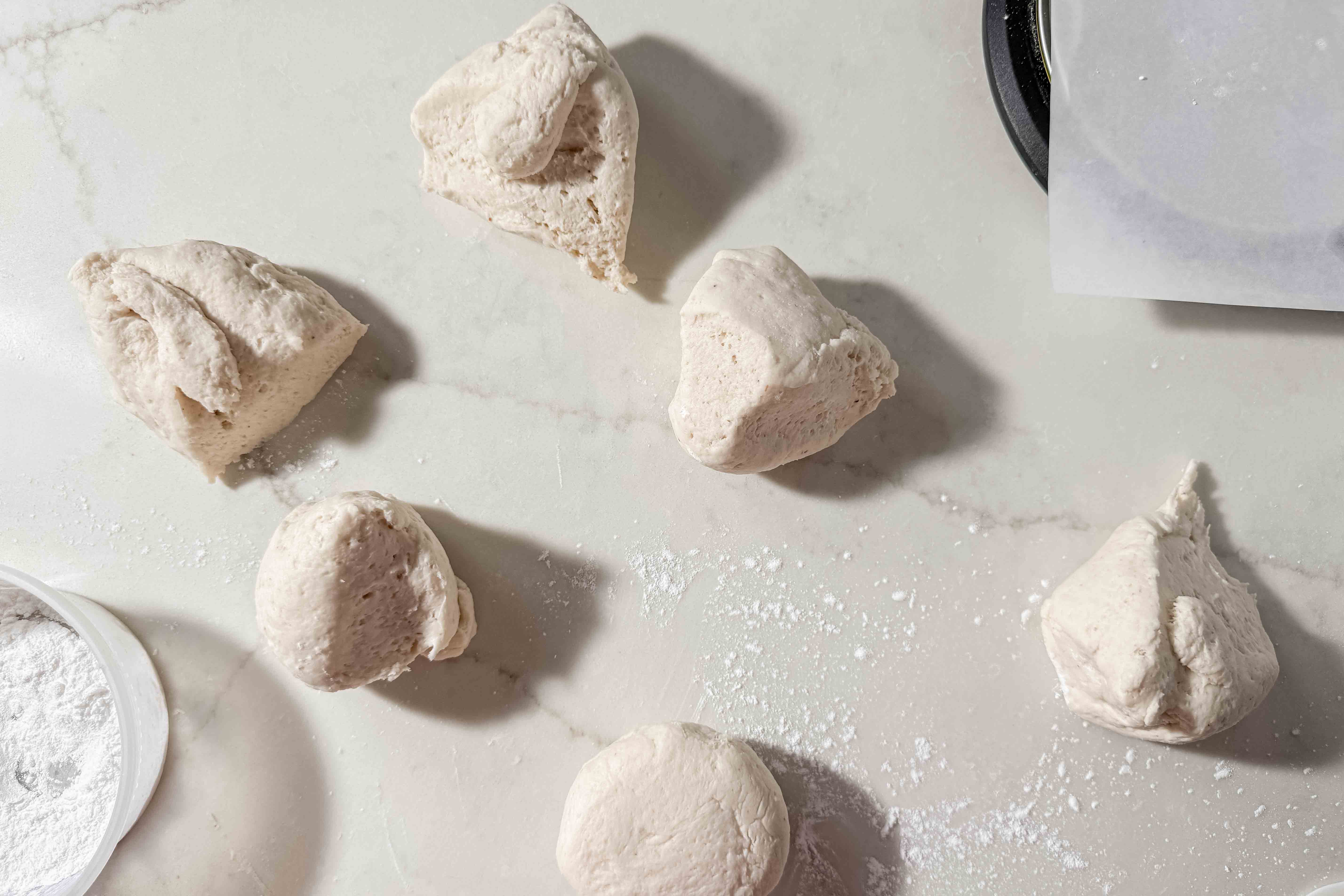
- To shape each bagel, take one portion of dough and cup your hand over it and use a circular motion to roll it against the surface until it forms a smooth, tight ball. Use the friction between your hand and the surface to help it come together. You shouldn't really need flour on your surface.
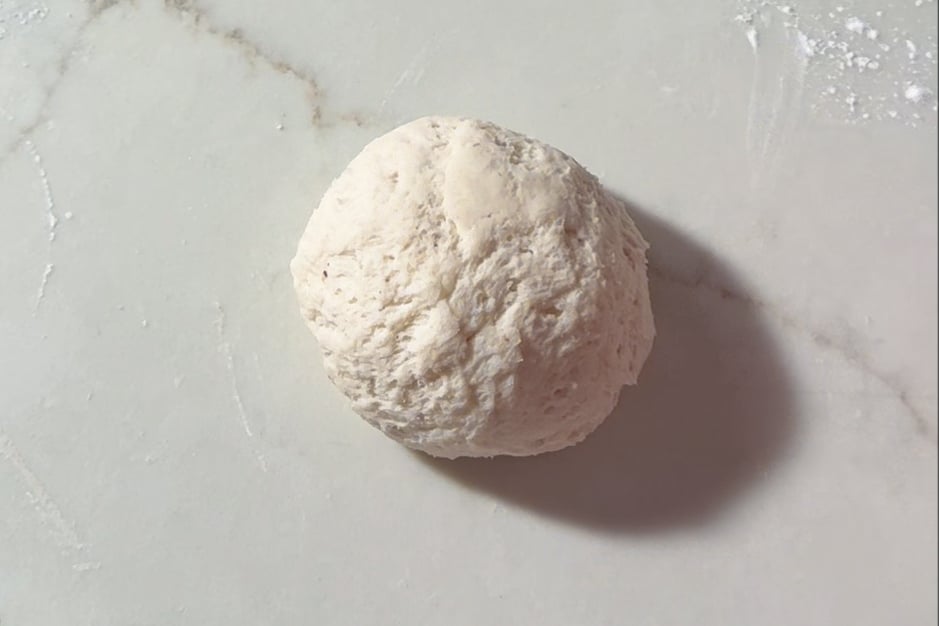
- Lightly dust your thumb with tapioca starch and poke it through the center of the ball.
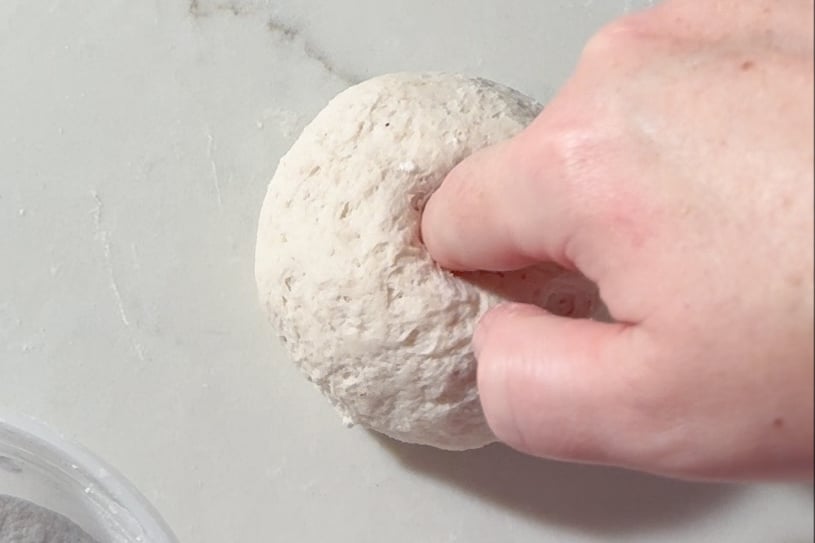
- Gently stretch the opening with both hands, rotating as you go, until the hole is about 1.5 to 2 inches wide.
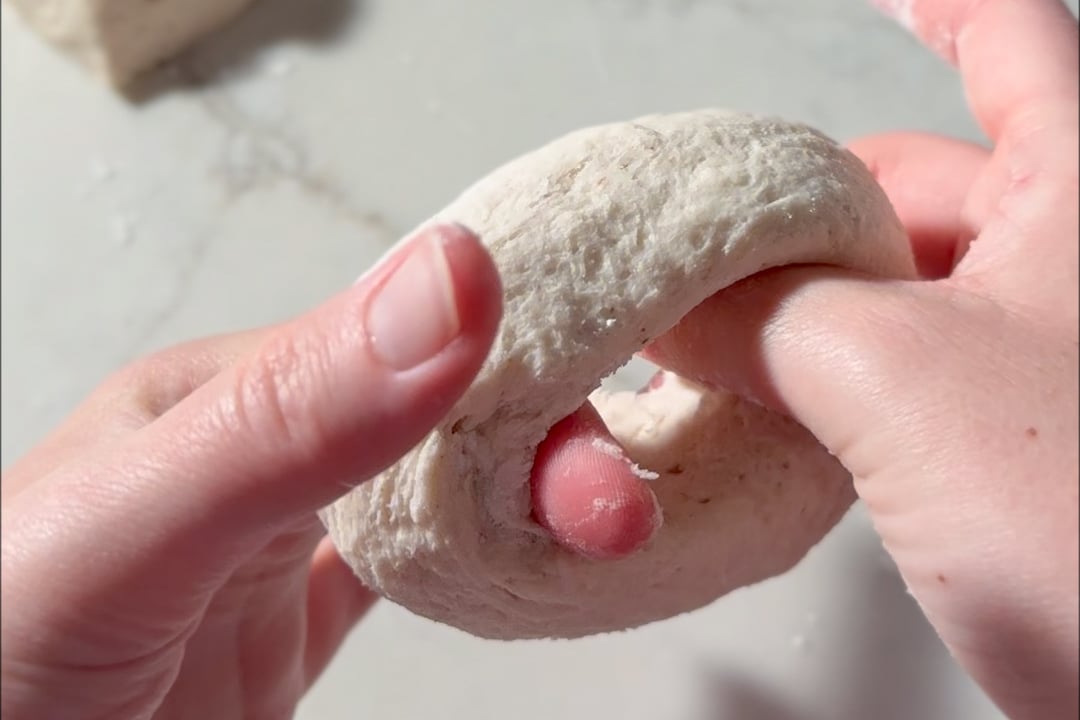
- Place on a parchment-lined baking sheet and repeat with remaining portions.
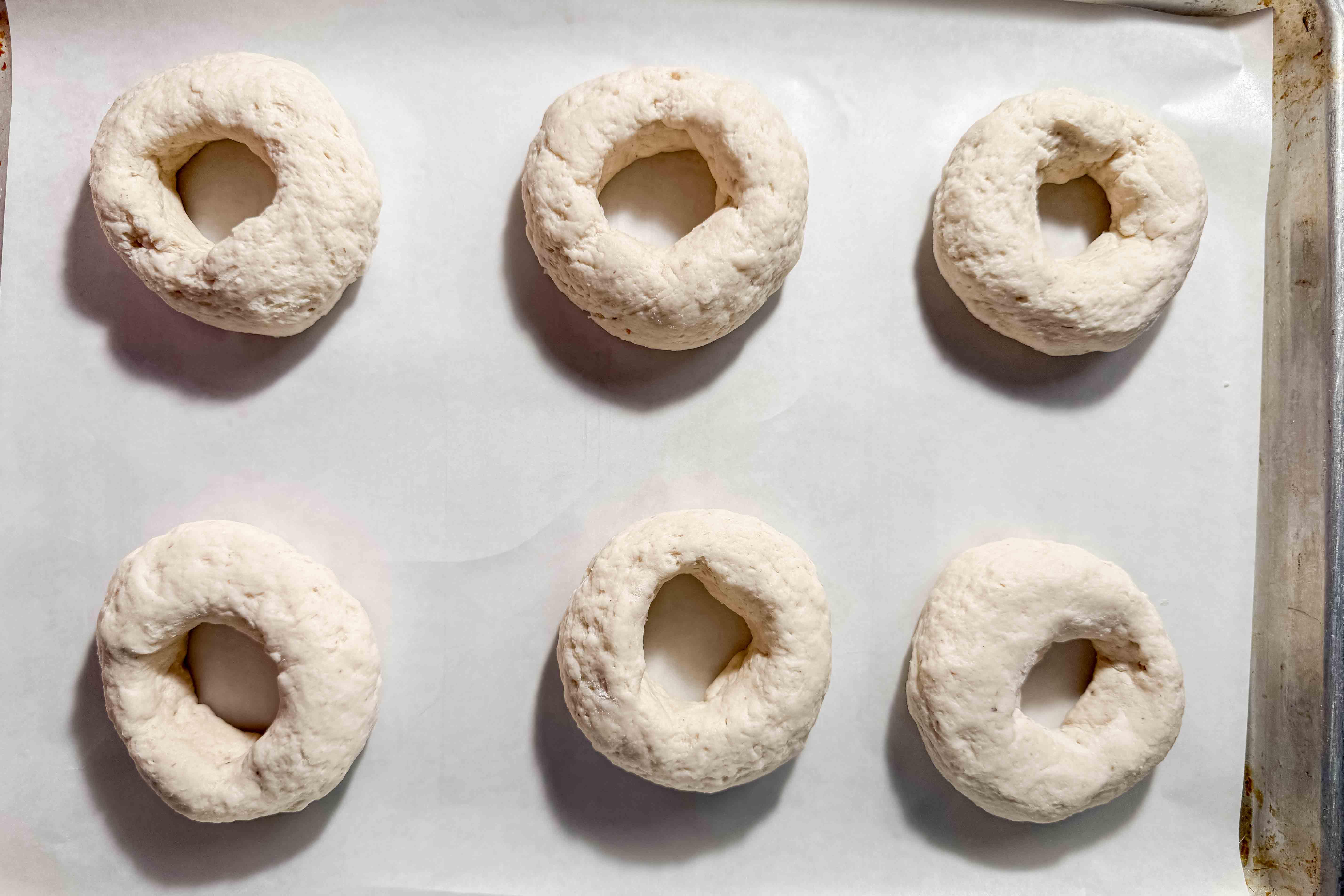
Proof:
- Cover loosely and let rise for about 45 minutes until noticeably puffy but not completely doubled in size.
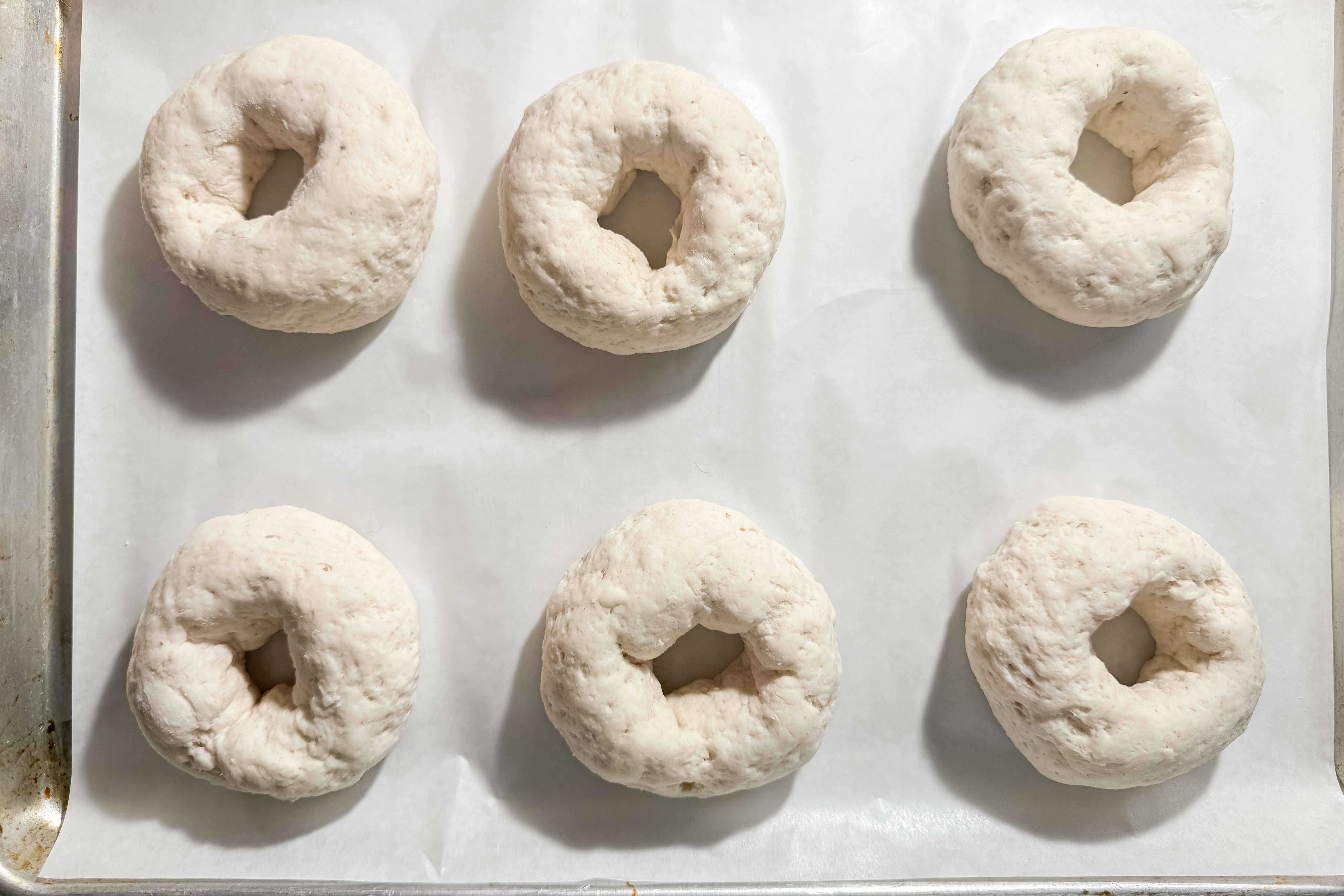
- About 30 minutes before the proof is done, preheat the oven to 425°F.
Boil:
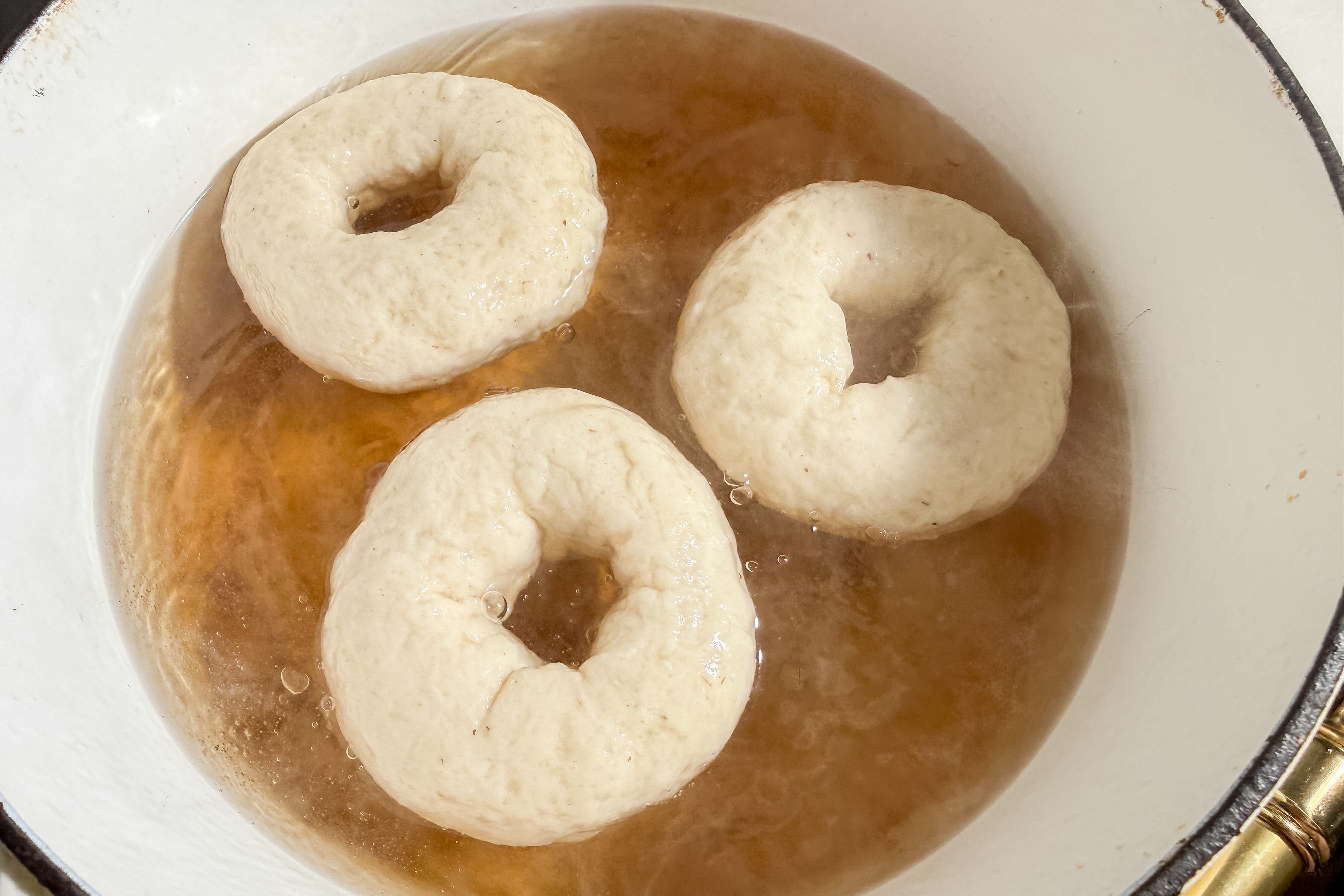
- Bring 8 cups water and 3 tablespoons brown sugar to a gentle boil in a wide pot.
- Gently lower 2 to 3 bagels at a time into the boiling water. Boil for 45 seconds, flip, then boil for another 45 seconds. Remove with a slotted spoon and place on a wire rack. Let sit for a few minutes to let excess water drip off.
Top and bake:
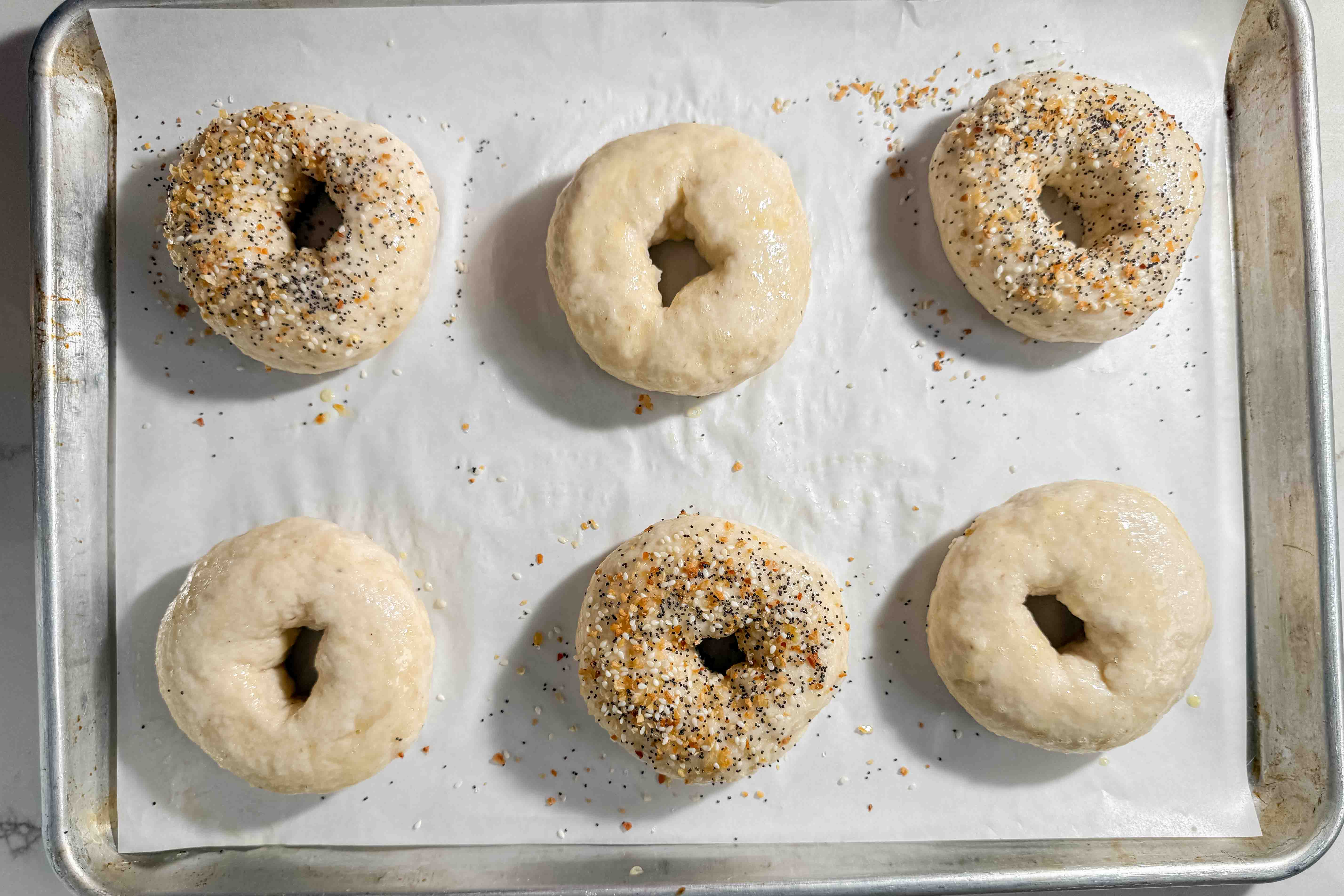
- Transfer the bagels back to the parchment-lined baking sheet. Brush each bagel with beaten egg wash (1 large egg beaten). Add toppings immediately while the egg wash is still wet.
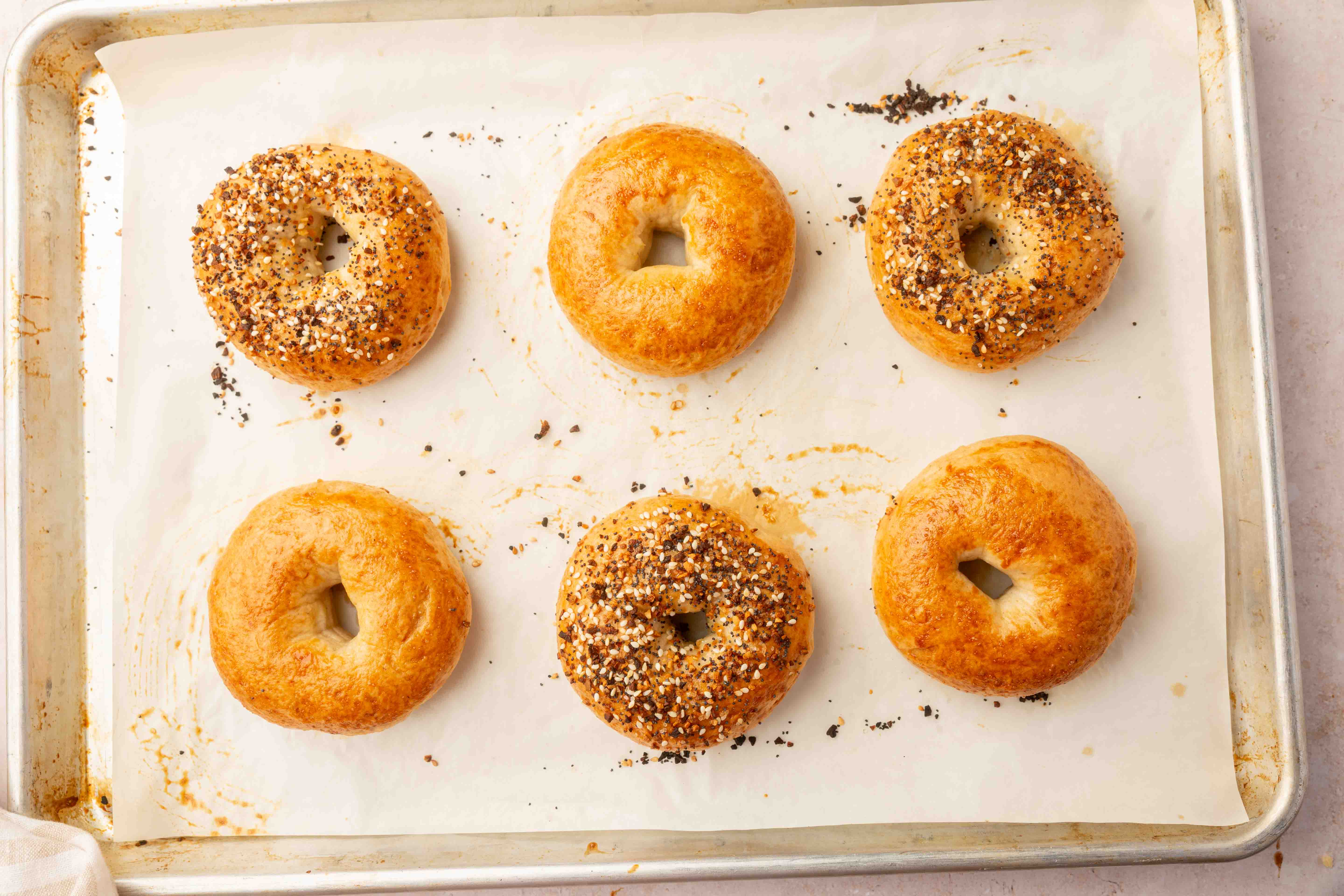
- Bake at 425°F for 27 to 30 minutes until deep golden brown and firm on the outside. The internal temperature should reach 205°F.
Cool:
- Let cool on a wire rack for at least 45 minutes before slicing so the crumb can set.
Notes
- Flour blend: Do not substitute with a pre-made gluten-free flour blend. This recipe is built around a specific ratio of brown rice flour, tapioca starch, and potato starch. Each flour plays a specific role in the structure and chew of the bagel.
- Psyllium husk: Use whole psyllium husk, not powder. I use Anthony’s Whole Psyllium Husk (affiliate link). Mix it with the warm water first to form a gel before adding the remaining wet ingredients.
- Storage: Bagels are best the day they’re made. Store in an airtight container at room temperature for up to 2 days or freeze sliced for up to 3 months.

These were amazing! I swapped the olive oil for butter because I don’t like the taste of olive oil and they turned out great! Even my non-celiac husband said they were good (the highest compliment coming from him :D)