
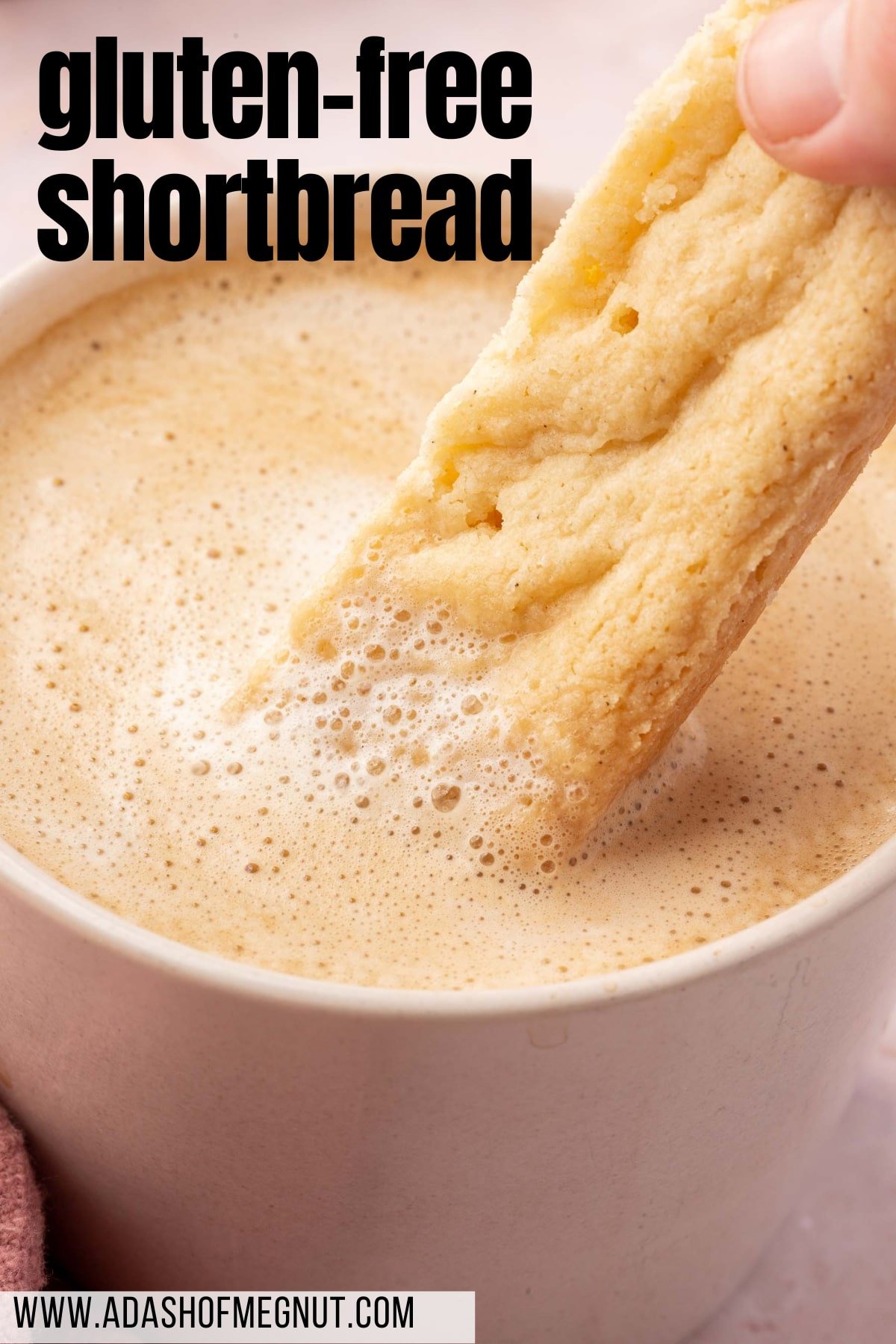
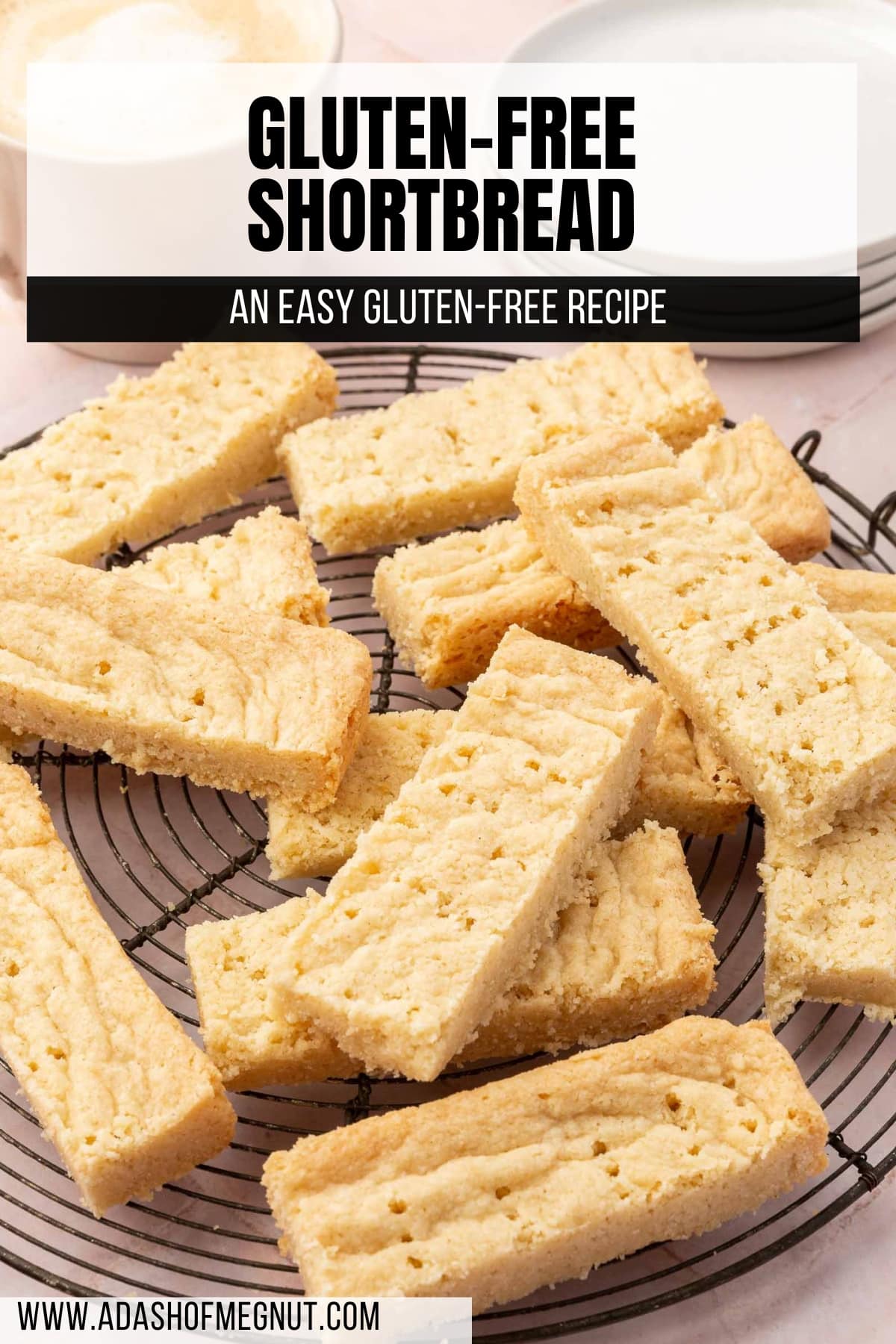
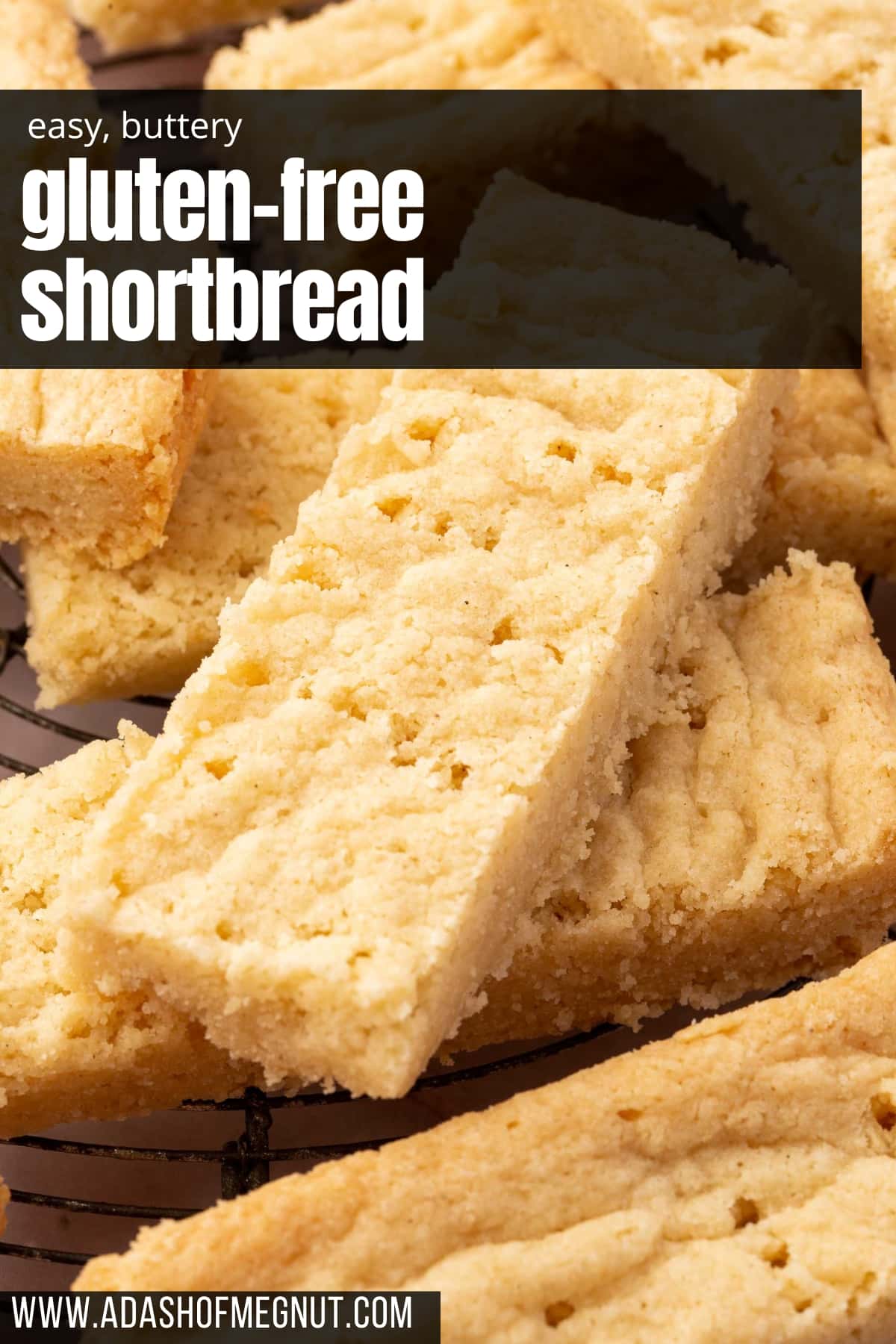
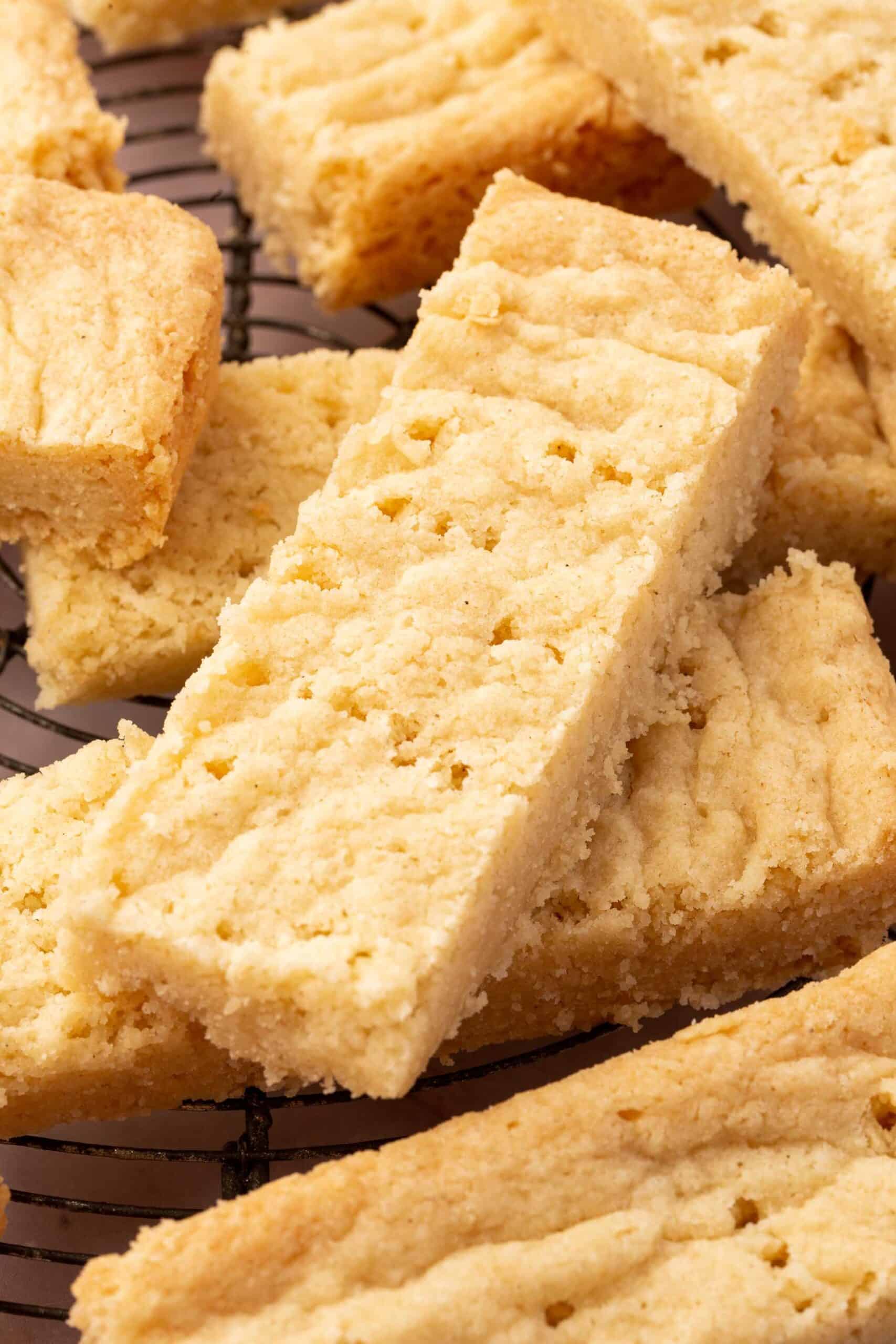
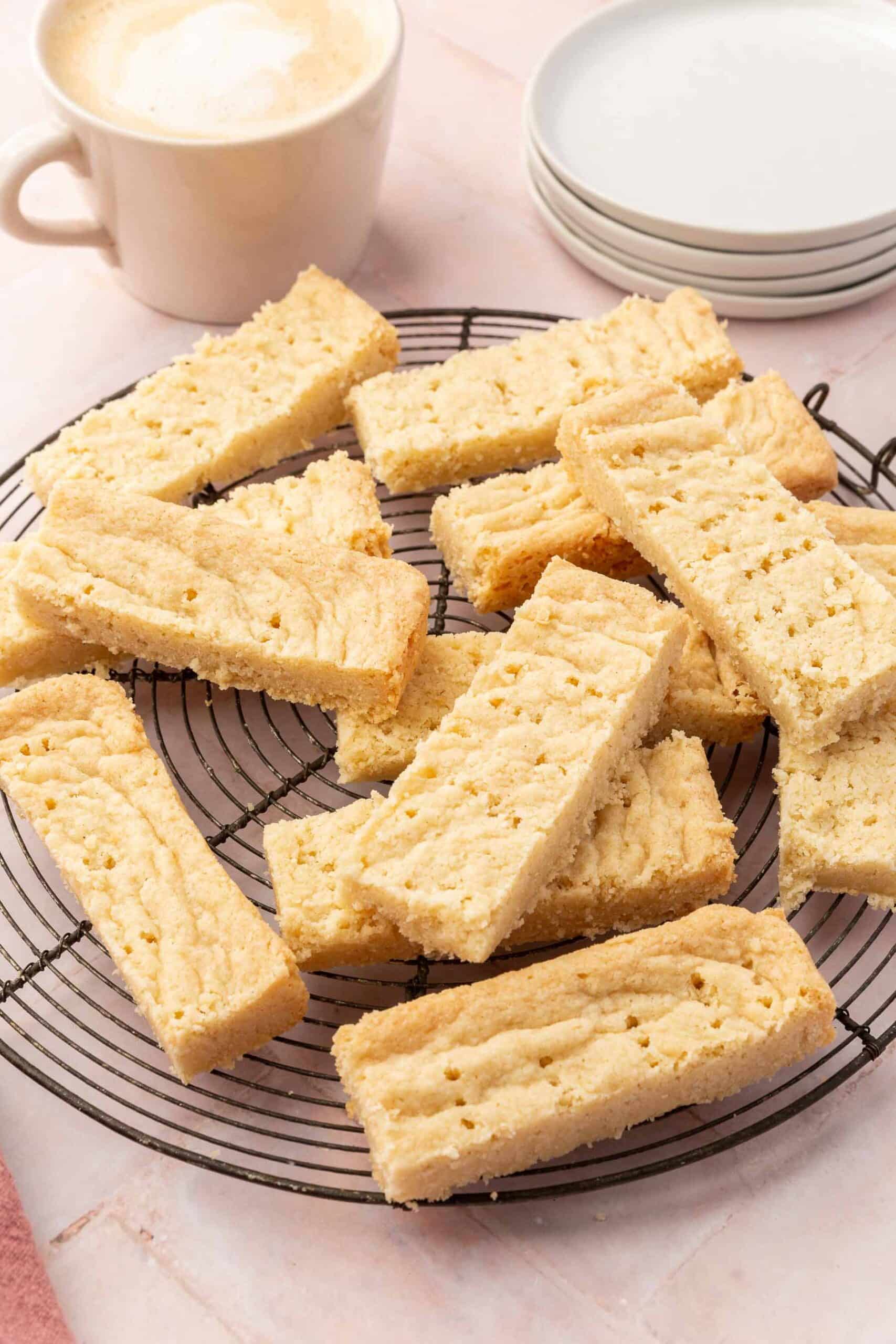
I’ve been making this gluten-free shortbread for years and it only takes six ingredients and one pan. It’s thick, buttery, and perfectly crumbly. This is Scottish-style shortbread, the thick kind you slice into fingers or squares, not thin rolled-out cookies. The cornstarch is what gives it that classic melt-in-your-mouth texture. Great with tea or coffee, and one of the best cookies to have on a holiday cookie plate.
Why You’ll Love this Recipe
Ingredients
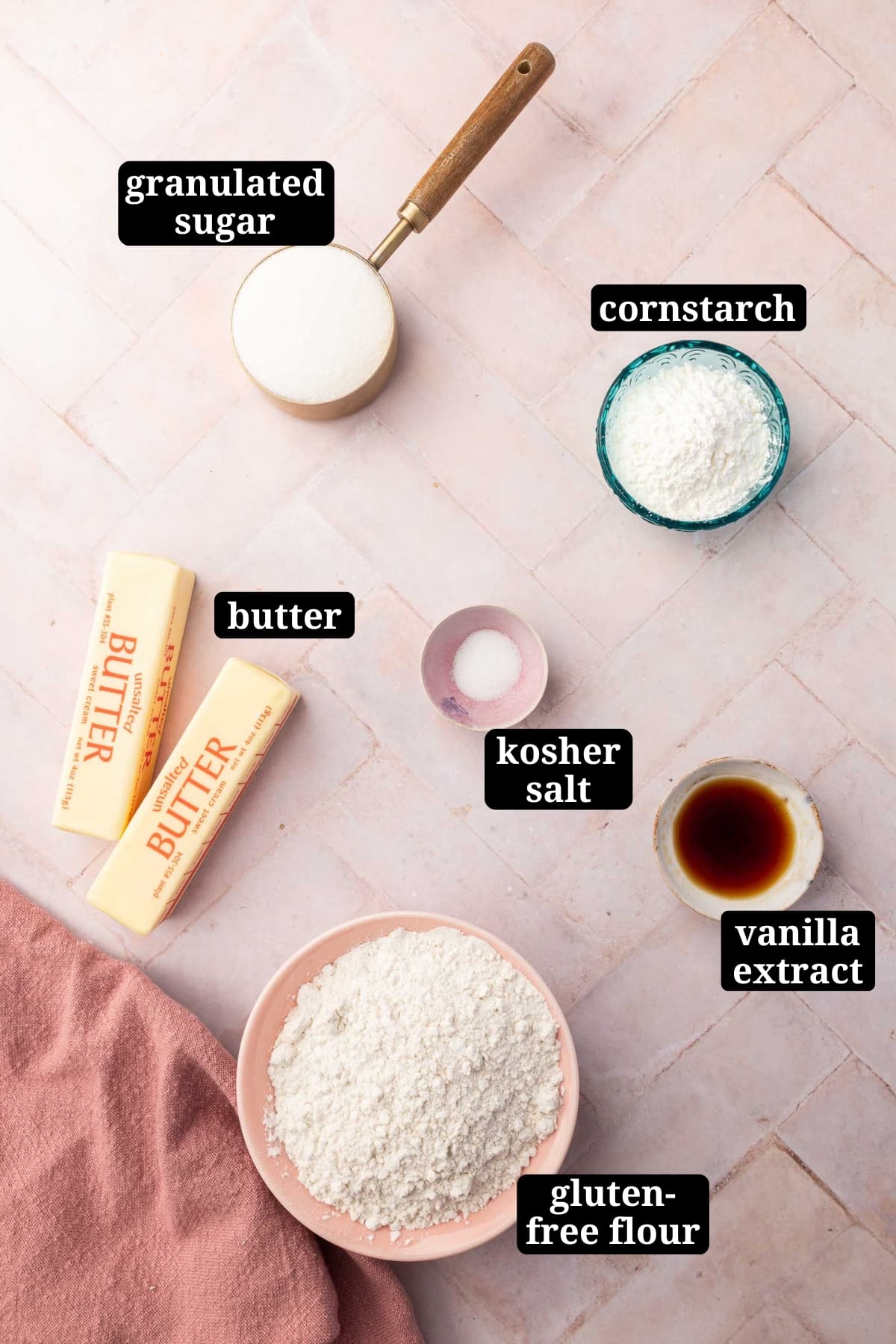
Ingredient Notes
- Gluten-Free Flour Blend – I use Bob’s Red Mill 1-to-1 Baking Flour (in the blue bag) for this recipe. It already has xanthan gum in it, so you don’t need to add any. I haven’t tested other blends.
- Cornstarch – This is what makes shortbread crumbly and melt-in-your-mouth instead of cakey. I’d recommend weighing it (32g) if you have a food scale. If you use too much, the shortbread will taste chalky and cornstarch is one of those ingredients that is hard to get precise with a measuring spoon because it’s so powdery.
- Unsalted butter – Needs to be room temperature. It should be soft when you press it but not greasy or melty. Don’t use salted butter here, the shortbread will be way too salty.
- Granulated sugar – We’re only using ½ cup here. Shortbread isn’t supposed to be sweet. Don’t swap for brown sugar or powdered sugar, they change the texture.
- Kosher Salt – I like kosher salt for shortbread because it’s less salty by volume than table salt. If you only have table salt, cut it down to ¼ teaspoon.
- Vanilla extract – Use pure vanilla extract, not imitation. You can also try almond extract for a nutty twist, but use half the amount or it’ll overpower everything.
Why I Include Metric Measurements
If you have a food scale, use it. Gluten-free flour and cornstarch are easy to over-measure with cups, and even a little too much changes the texture. I’ve included gram measurements in the recipe card for everything. It takes 30 seconds and you’ll get better results every time.
Step-by-Step Instructions
My gluten-free shortbread recipe is super simple with just 6 ingredients that you probably already have in your pantry! The below photos with matching steps are not meant to be the full recipe, but to help you see the recipe made at various stages so you can make this shortbread perfectly every time.
For the ingredient list with measurements, full instructions, printable recipe, and additional notes, please scroll down to the recipe card.
Recipe FAQs
Yes, through the flour. Bob’s Red Mill 1-to-1 already contains xanthan gum, so you don’t add any separately.
This dough is pressed into a pan and scored, so it works best as fingers, squares, or triangles. It’s not a roll-and-cut dough. If you want cutout shortbread shapes, use my gluten-free sugar cookie recipe instead.
Yes. Press it into the pan, wrap the whole pan tightly, and freeze for up to 3 months. Thaw overnight in the fridge, poke the fork holes, and bake as usual.
Yes. Fold mix-ins in after the dough comes together. Citrus zest, mini chocolate chips, chopped nuts, or dried fruit all work. Keep pieces small so the shortbread still slices cleanly.
Expert Tips
Storage Instructions
- Storage: Once cooled, store the shortbread in an airtight container at room temperature. They’ll maintain their freshness for up to a week. Ensure the container is sealed well to prevent moisture from softening the shortbread.
- Freezer Option: For longer storage, place the shortbread in a single layer on a baking sheet and freeze until solid, about an hour. Then transfer to a freezer-safe bag or container, separating layers with parchment paper to prevent sticking. The shortbread can be stored in the freezer for up to 3 months.
- Thaw: Let frozen shortbread sit out at room temperature for about an hour to soften.
Serving Suggestions
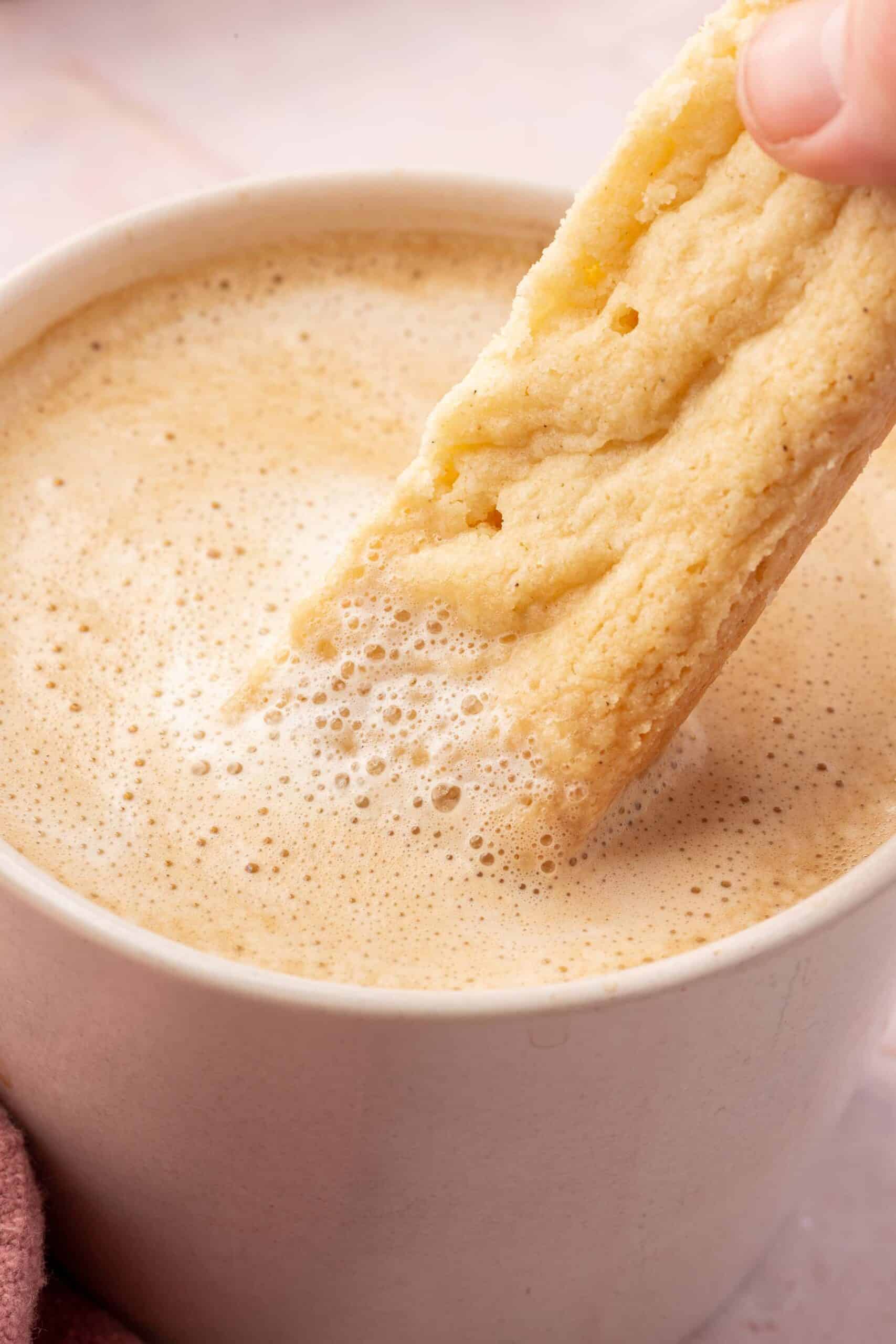
I always have these on my holiday cookie plate alongside gluten-free snowball cookies and gingerbread cookies. They’re sturdy enough to stack in a tin or gift box without breaking. If you dip them halfway in melted chocolate, they look a little fancier and make a great homemade gift paired with apple cider caramels. Outside of the holidays, these are the cookie I keep on the counter for tea and coffee. They’re also a good base for a simple dessert spread with gluten-free lemon bars if you need something quick for a brunch or shower.
Gluten-Free Shortbread
Ingredients
- 1½ cups (210 g) gluten-free flour blend - Bob's Red Mill 1-to-1 Gluten-Free Baking Flour (in the blue bag), which contains xanthan gum
- ¼ cup (32 g) cornstarch
- ½ teaspoon kosher salt
- 1 cup (226 g) unsalted butter - room temperature
- ½ cup (100 g) granulated sugar
- ½ tablespoon vanilla extract
**Use the toggle button above to turn the instruction photos on and off!
Instructions
- Preheat your oven to 325°F (165°C). Line an 8×8-inch square baking pan with parchment paper, leaving overhang on two sides for easy removal. Set aside.
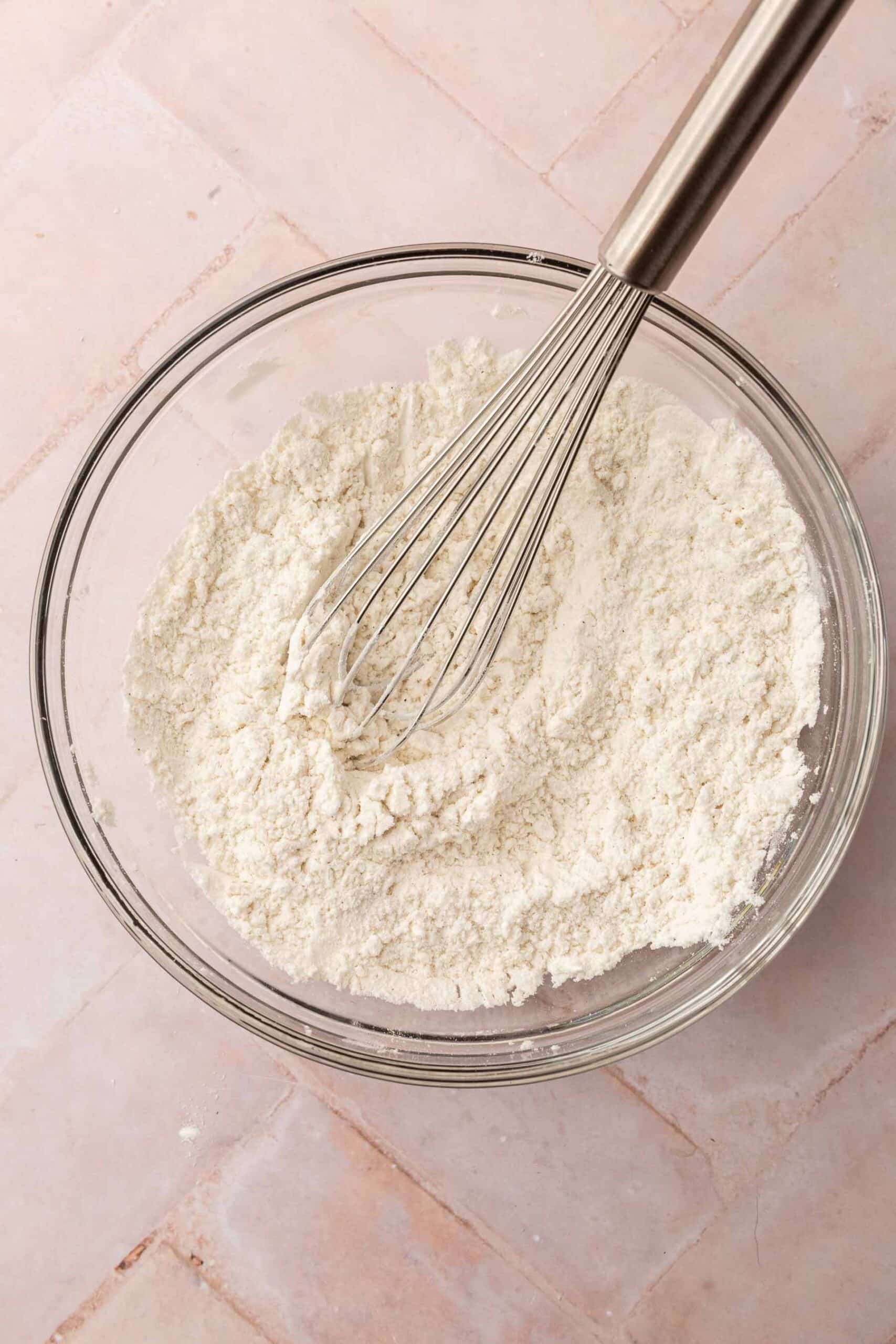
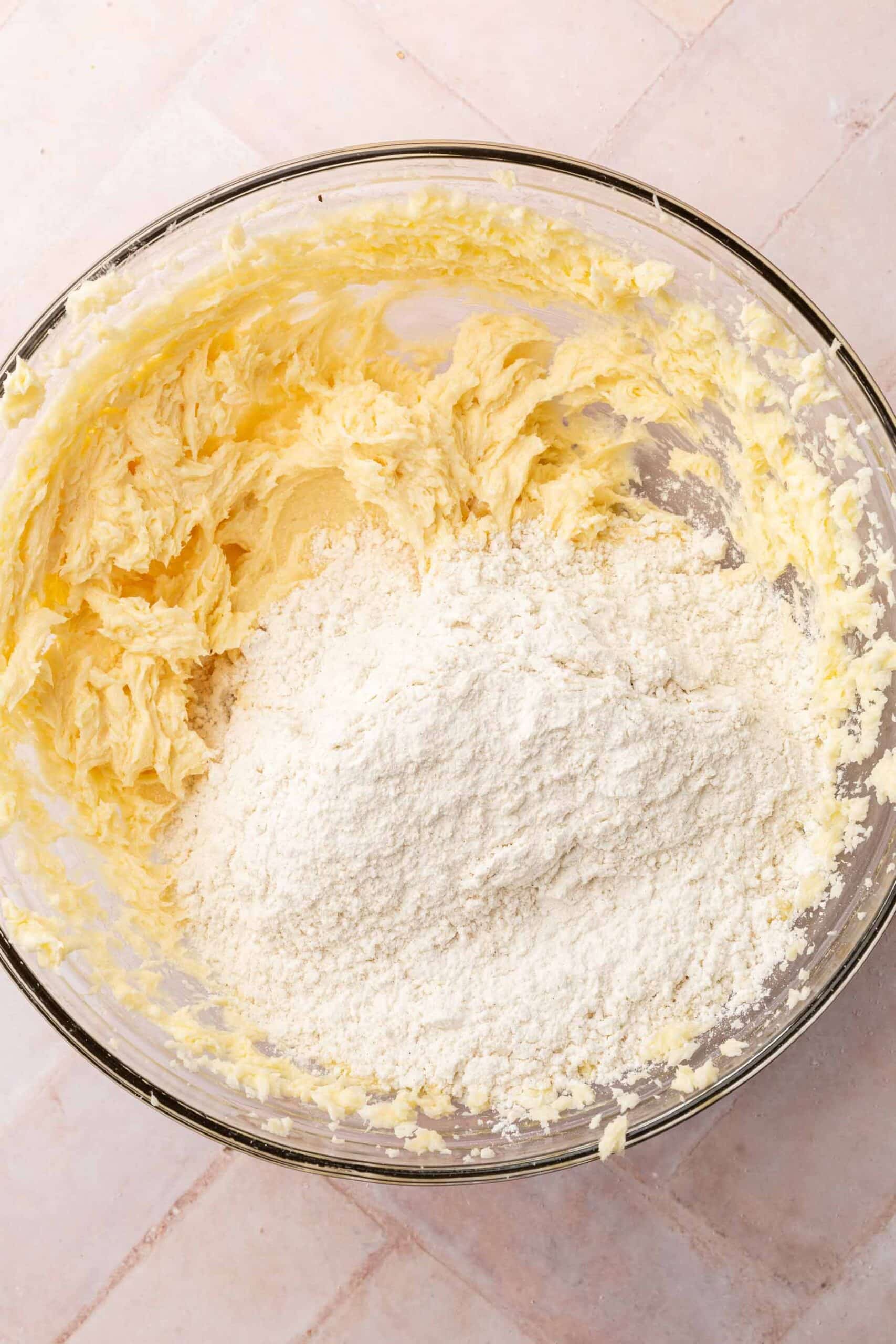
- Whisk together 1½ cups (210 g) gluten-free flour blend, ¼ cup (32 g) cornstarch, and ½ teaspoon kosher salt in a medium bowl. Set aside.
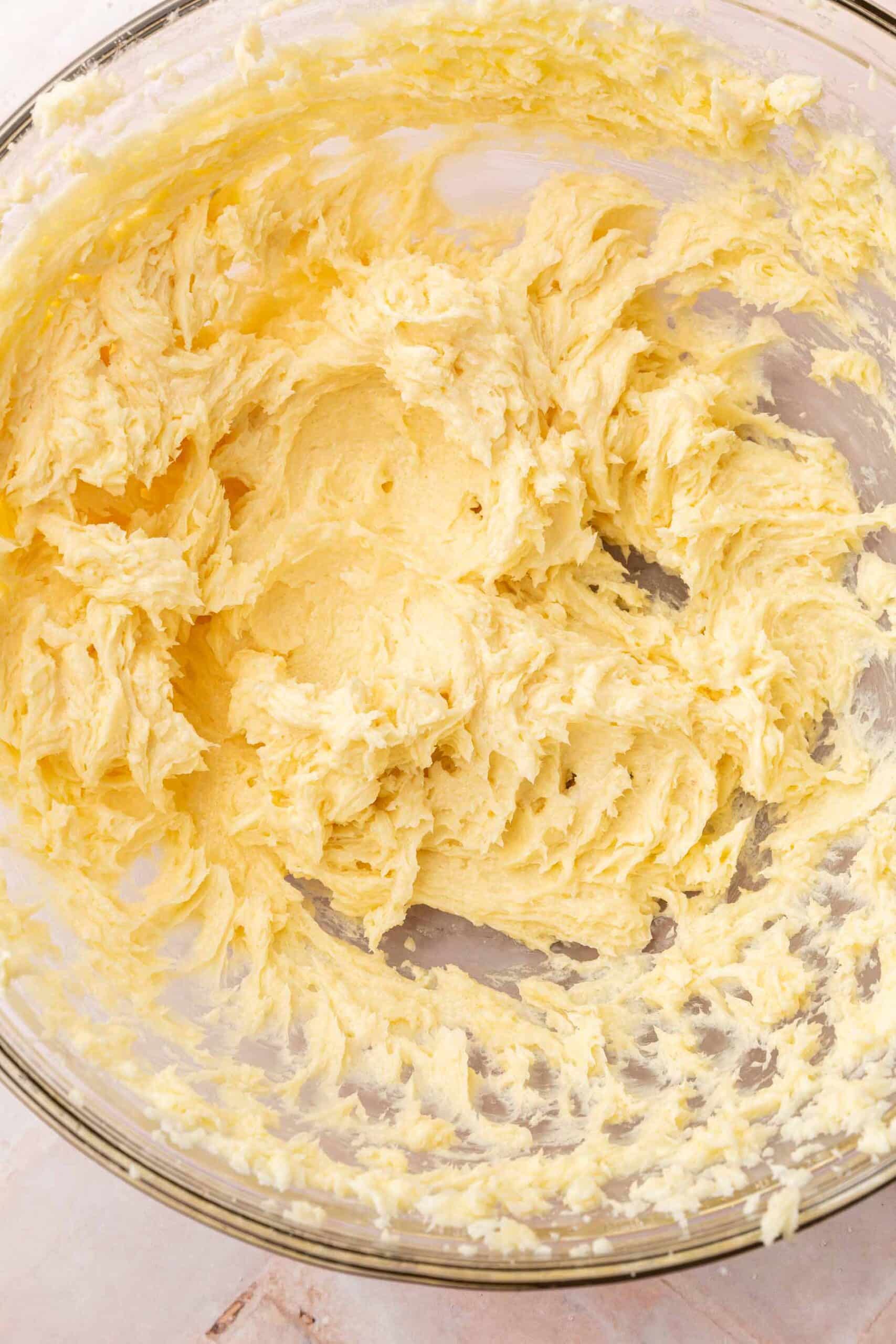
- In a large bowl, cream 1 cup (226 g) unsalted butter and ½ cup (100 g) granulated sugar with an electric mixer on medium speed until smooth and light in color, about 2 to 3 minutes.
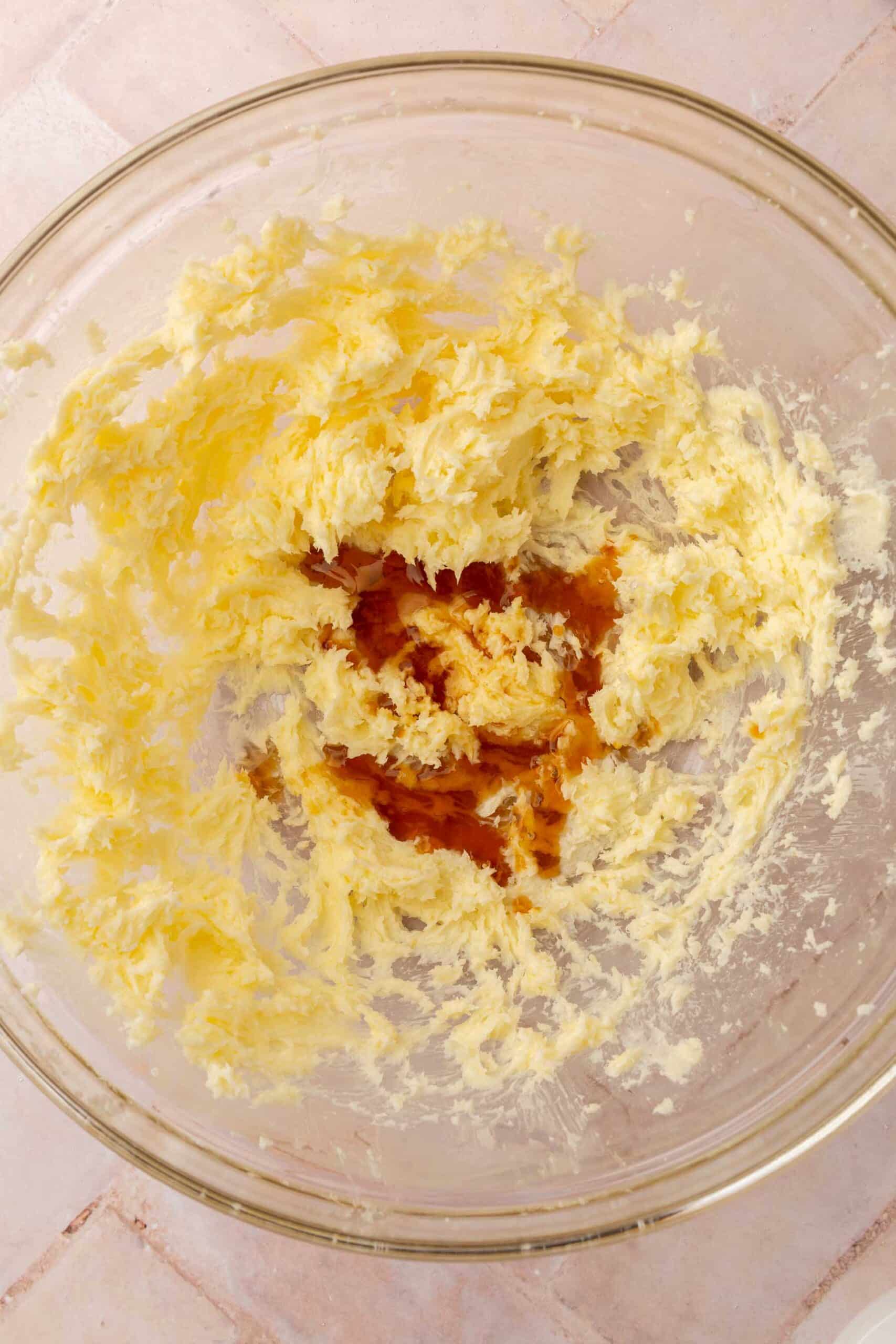
- Mix in ½ tablespoon vanilla extract until combined.
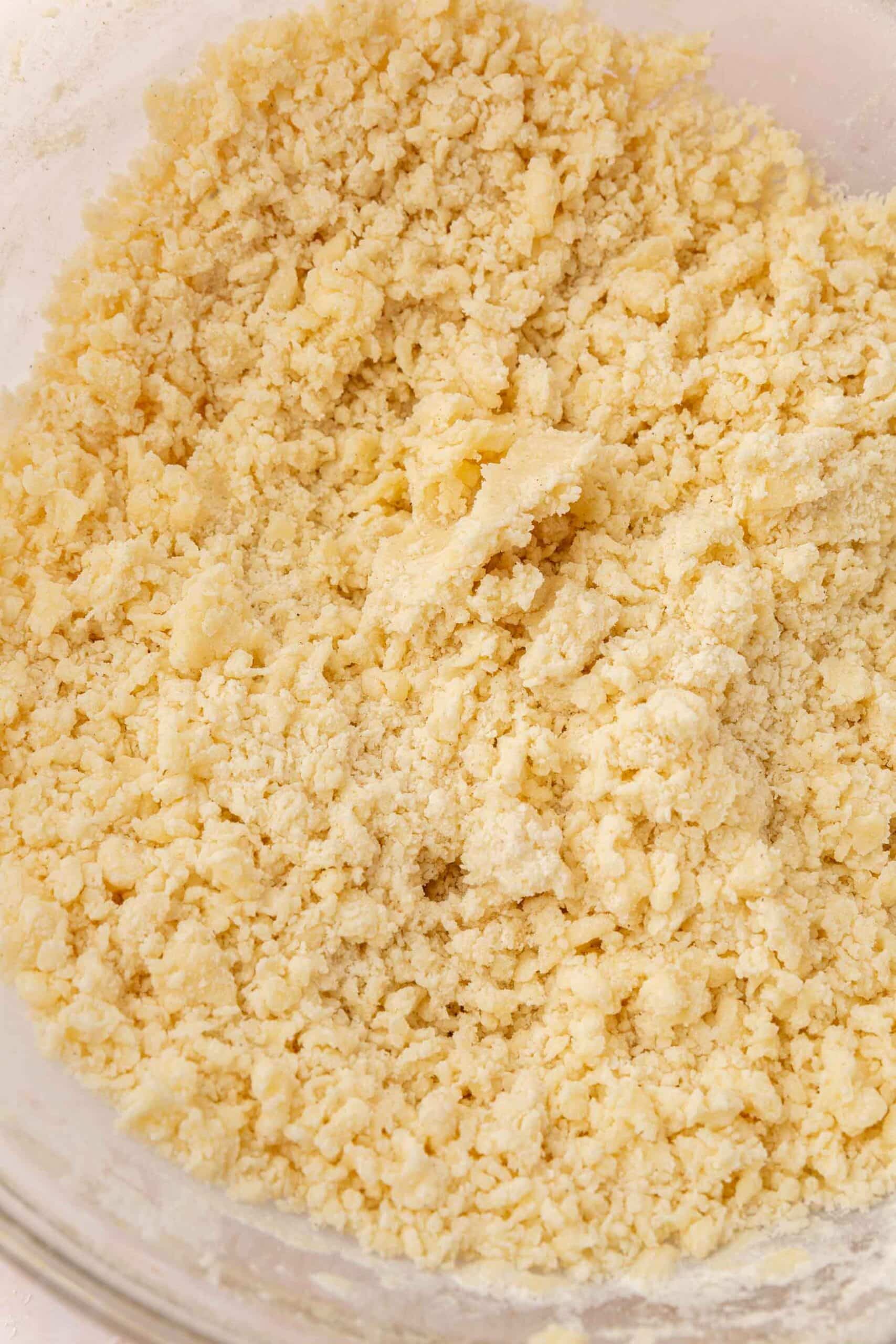
- Add the dry ingredients in two additions, mixing on low speed each time until no streaks of flour remain. The dough will look crumbly but should hold together when you pinch it.
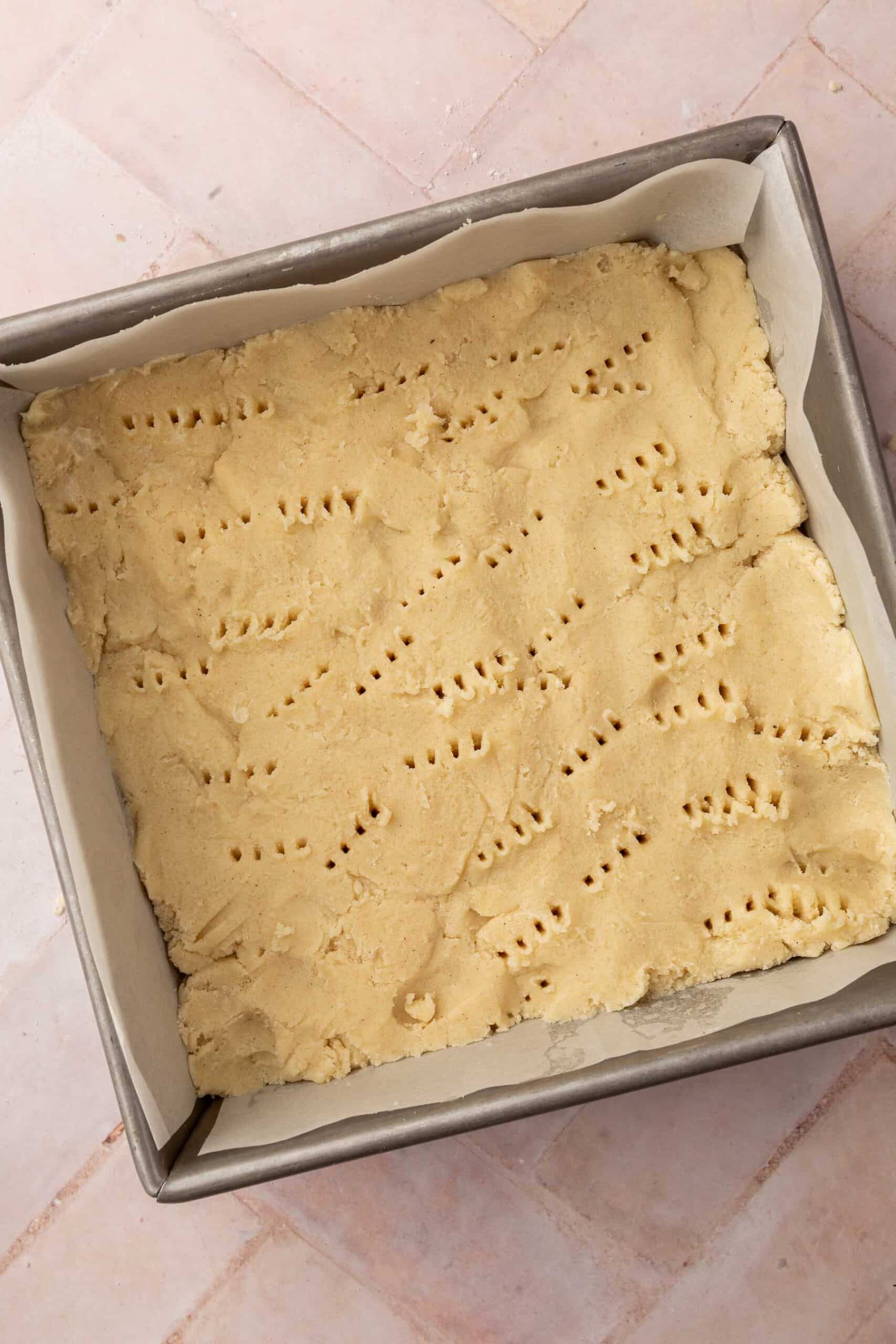
- Dump the dough into the prepared pan. Press into an even layer with your hands or a spatula, getting into the corners. Poke holes all over the surface with a fork.
- Refrigerate for 20 to 30 minutes to let the butter firm up.
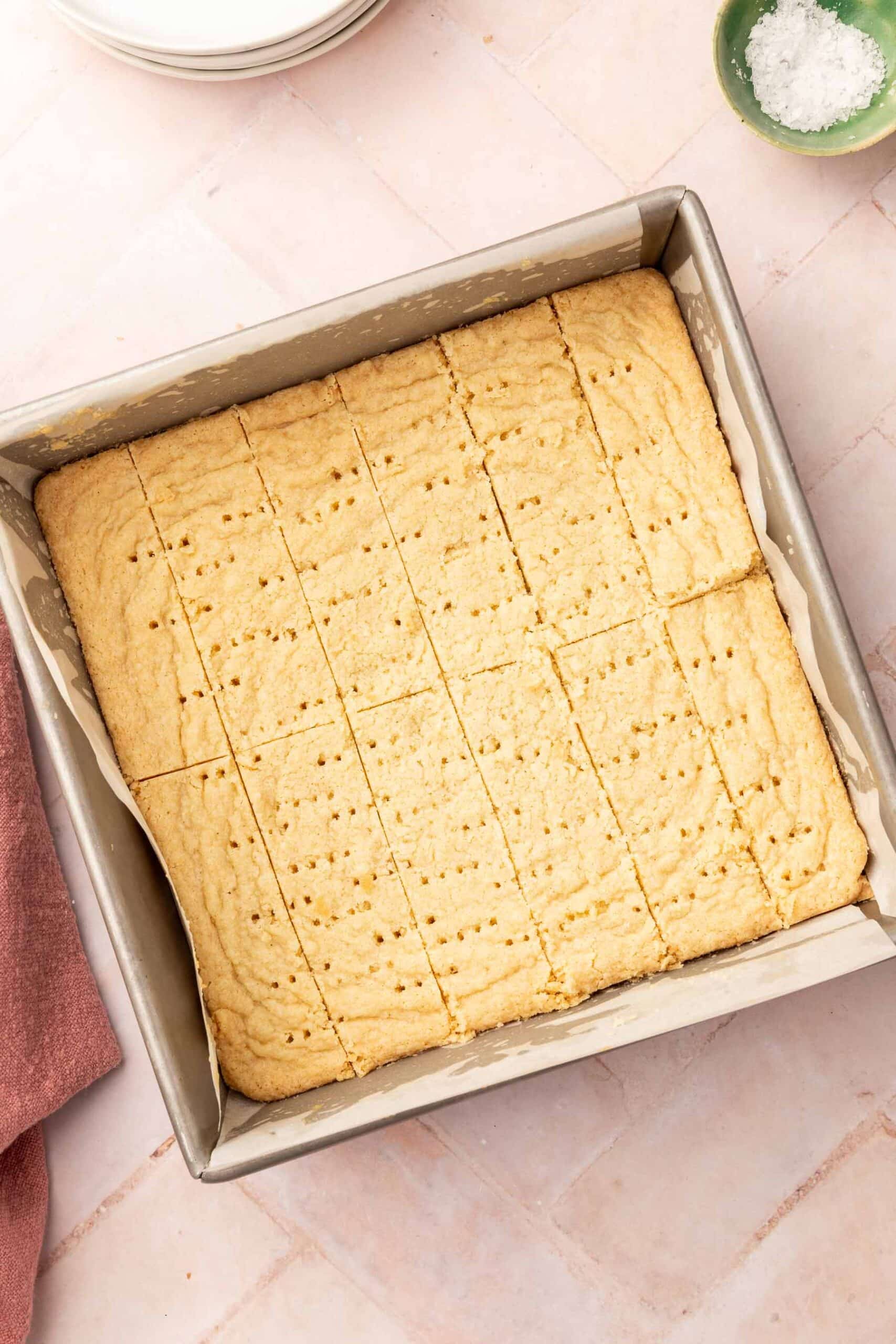
- Bake the shortbread at 325°F (165°C) for 30 to 35 minutes, until the edges are lightly golden and the center is no longer shiny.
- As soon as it comes out of the oven, score into 12 rectangles with a bench scraper or sharp knife. Do not wait for it to cool or it will crack.
- Let the shortbread cool for 15 minutes.
- Let cool in the pan for 15 minutes, then lift the whole slab out using the parchment overhang. Place on a cutting board and cut along the scored lines.
- Let the shortbread cool completely before serving.
Notes
- Flour: Tested with Bob’s Red Mill 1-to-1 Gluten-Free Baking Flour (blue bag), which already contains xanthan gum. I haven’t tested other blends so I can’t guarantee the same results.
- Storage: Airtight container at room temperature for up to a week. Freeze with parchment between layers for up to 3 months.
