
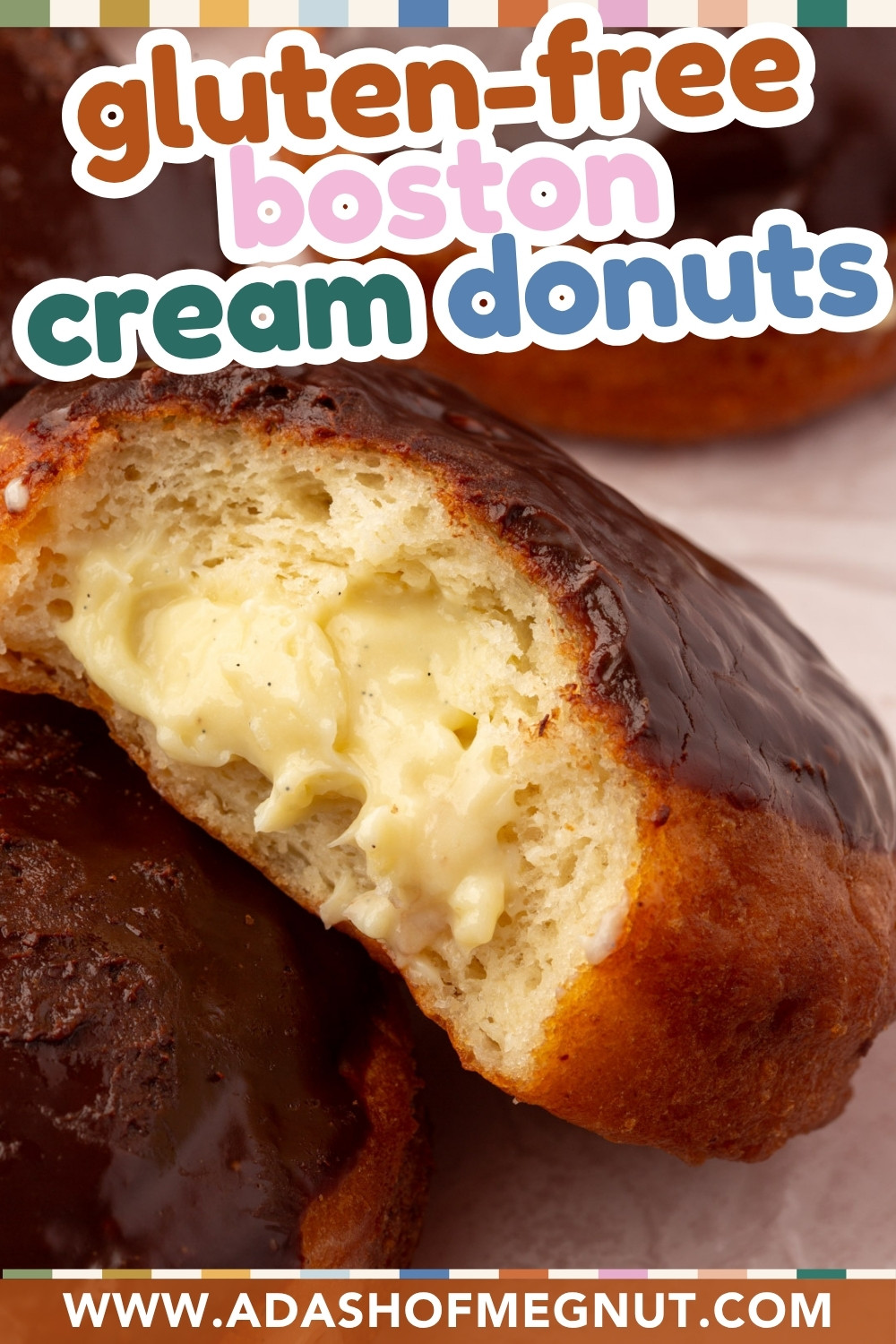
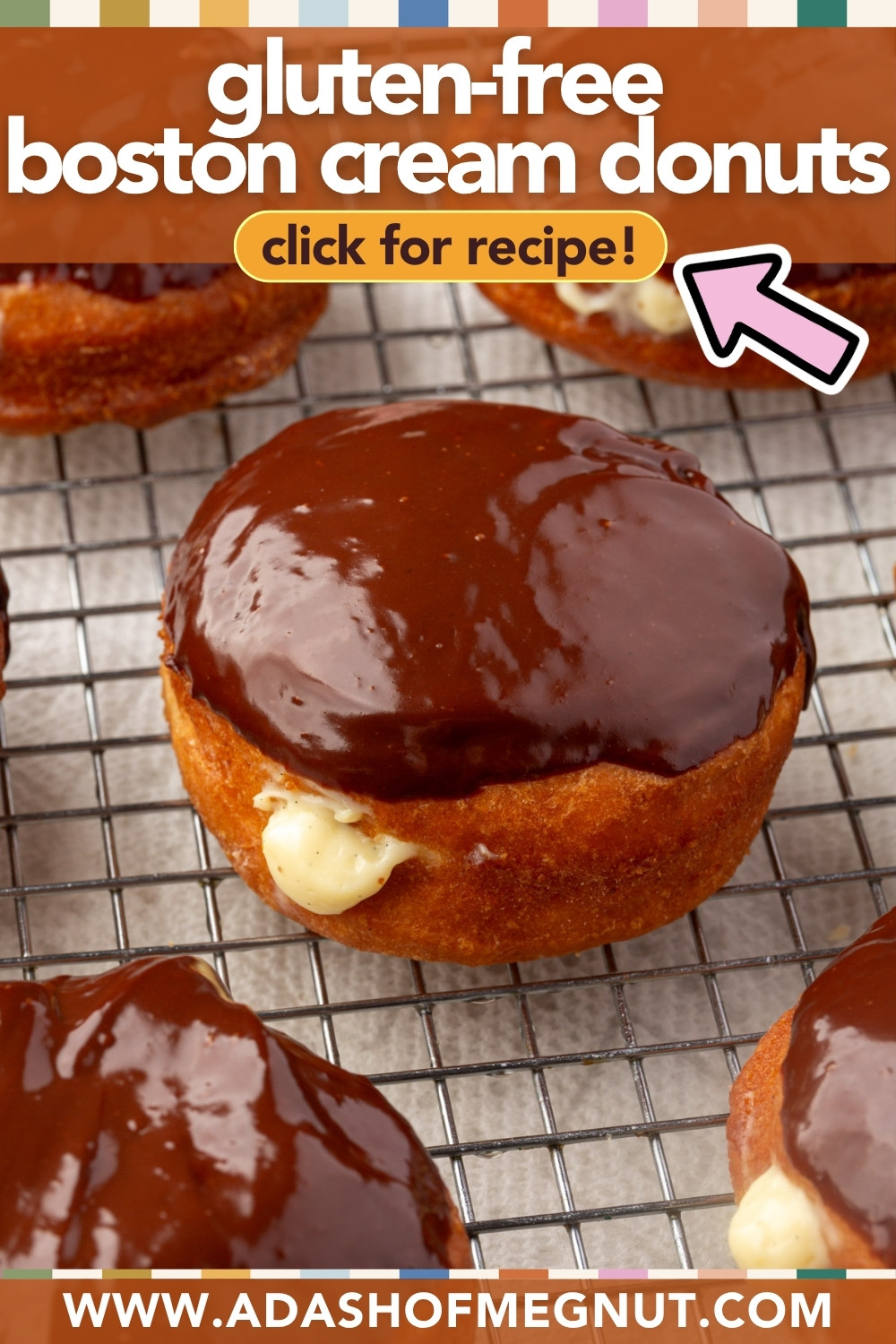

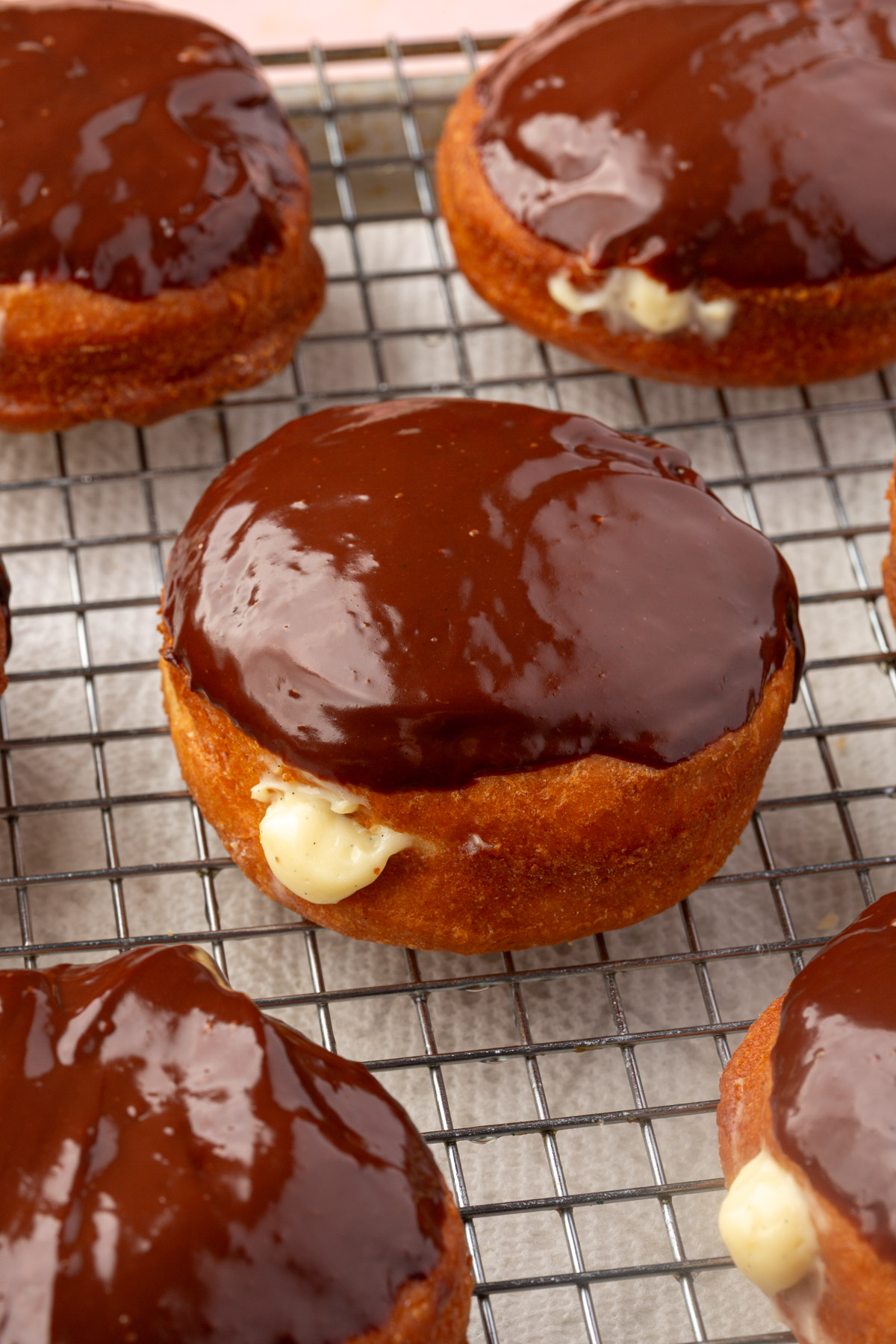
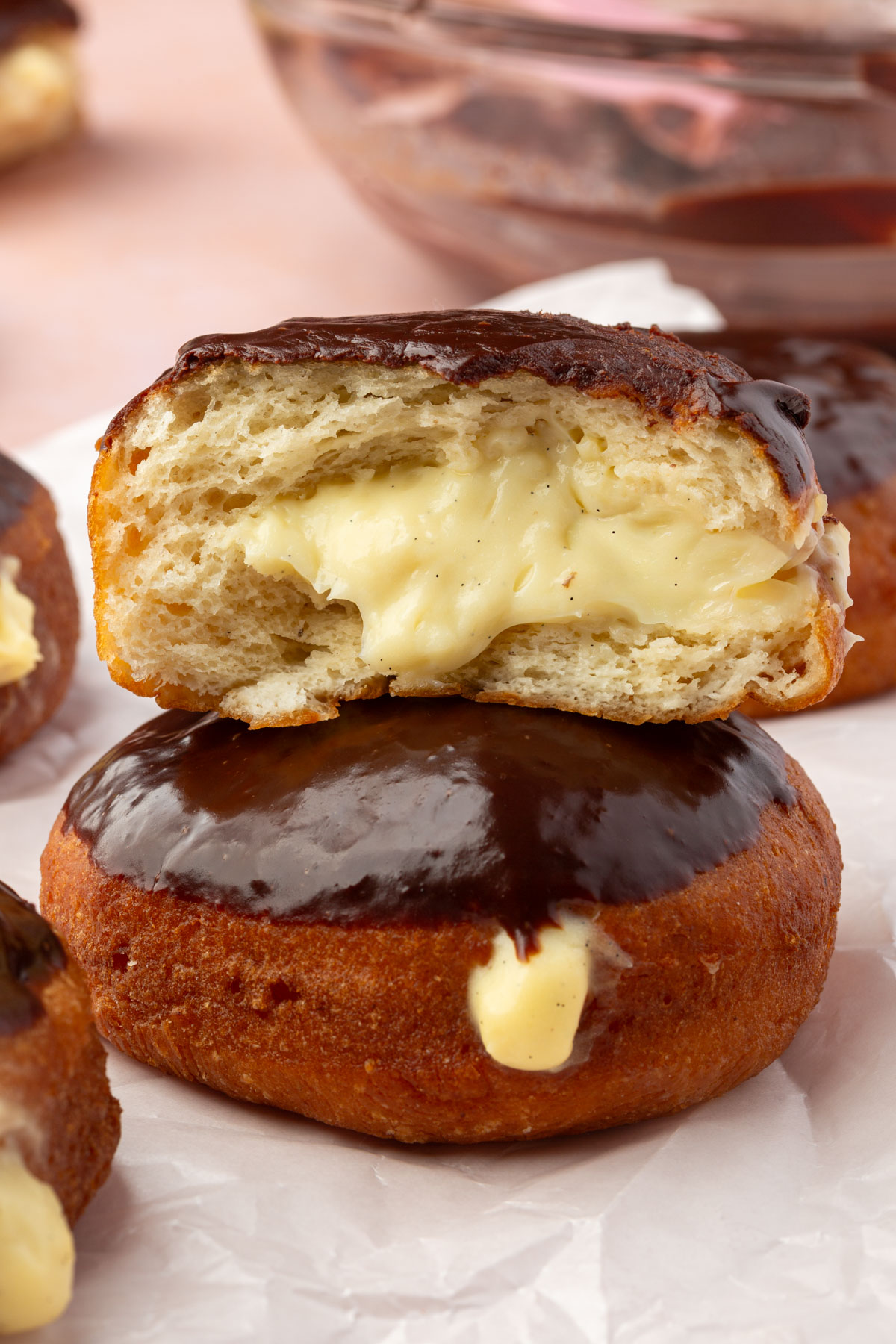
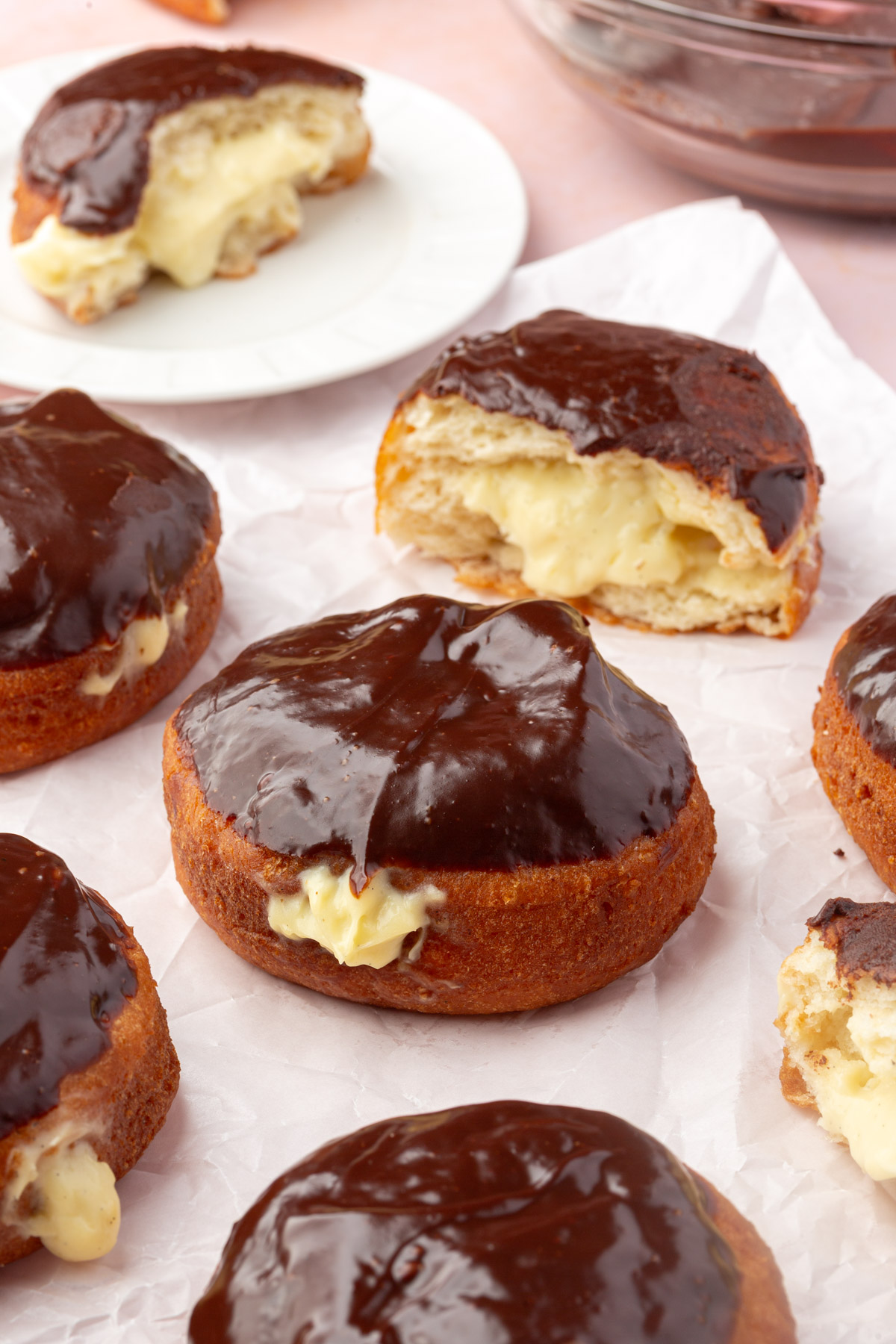
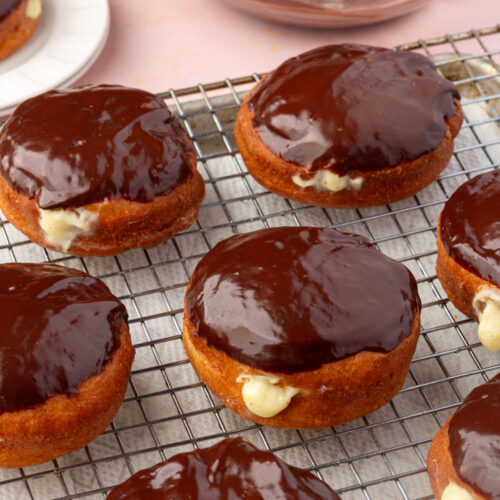
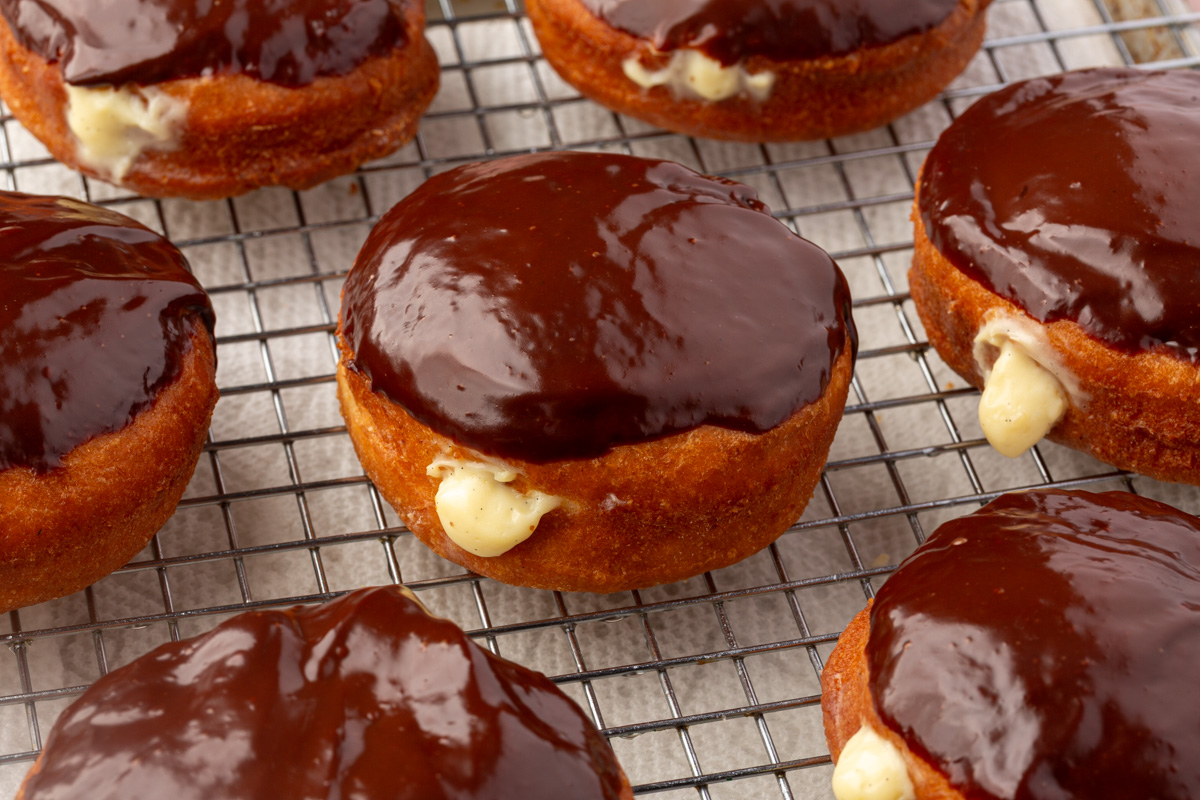
Gluten-free Boston cream donuts start with the same enriched yeast dough as my Gluten-Free Fried Donuts, so if you’ve made those, you already know how the dough works. The difference here is what goes inside and on top. Each donut gets filled with a thick vanilla pastry cream and dipped in a two-ingredient chocolate ganache that sets into a glossy coating.
The pastry cream needs to be made ahead and chilled before it goes into the donuts, so plan on starting it a few hours before you fry. Everything else follows the same process as the base donut recipe. These take time, but nothing about them is technically difficult.
Why You’ll Love This Recipe
Ingredient Notes
- Brown rice flour, tapioca starch, and potato starch – The same flour blend from the base fried donut recipe. Don’t swap in an all-purpose gluten-free blend. The ratios are specific to this dough and a gluten-free flour blend won’t behave the same way.
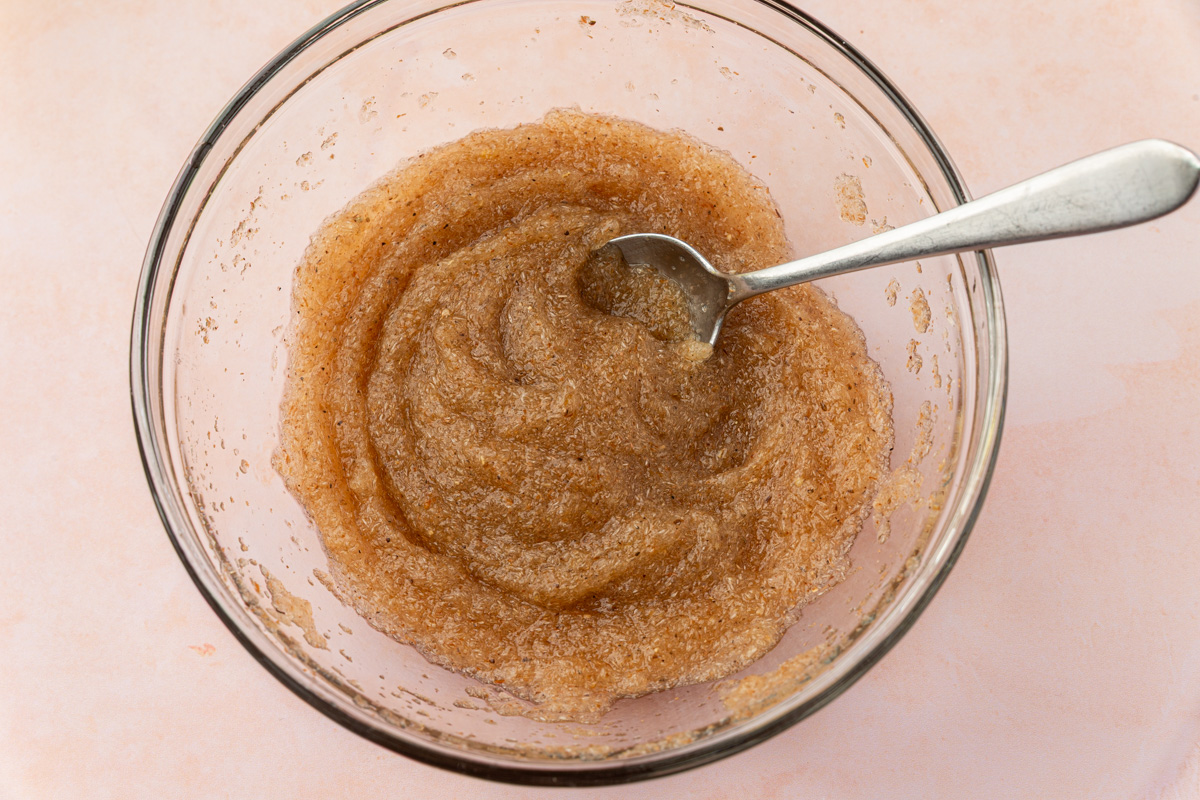
- Whole psyllium husk – Use whole psyllium husk, not powder. The powdered kind gets clumpy really easily. Mix the whole psyllium husk with warm water first to form a gel before it goes into the dough.
- Instant yeast – I use instant yeast instead of active dry yeast because it skips the activation step. When you’re already working through a multi-step recipe like this one, one less thing to do makes a difference. Just make sure it’s not expired. Dead yeast is the most common reason this dough doesn’t rise.
- Egg yolks – Four egg yolks give the pastry cream its richness and help it set firm. Don’t substitute whole eggs here.
- Chopped chocolate – Chopped chocolate melts more evenly than chips. Chips have stabilizers that can make the glaze a little grainy. Semisweet chocolate works really well, but feel free to use dark chocolate or milk chocolate if you prefer. Chocolate chips will still work in a pinch, but the glaze won’t be quite as smooth.
Make the Pastry Cream First
The pastry cream needs to be fully chilled before it goes into the donuts, so make it ahead. It keeps in the refrigerator for up to 3 days, which means you can make it the night before and have one less thing to do on frying day.
Recipe FAQs
No. This recipe is built around a specific ratio of brown rice flour, tapioca starch, and potato starch. A pre-made blend has different ratios and added ingredients that will change how the dough behaves. Stick with the individual flours as written.
No. These are a yeast-raised fried donut, and the texture depends on the frying process. An air fryer won’t give you the same result. If you want a baked or air fryer donut, you’d need a completely different recipe built for that method.
A few things could be the cause. First, check that your yeast isn’t expired. Second, make sure your water and milk were in the 100°F to 110°F range. If the water is too cold the yeast won’t activate. Third, your kitchen temperature matters more than people realize. If it’s cold in your kitchen, the dough will take longer to rise or may struggle to rise at all. My go-to fix is to put the dough in a turned-off oven with just the oven light on. It creates a slightly warmer, draft-free environment without any heat.
The donuts should be deep golden brown on both sides, which takes about 2 to 3 minutes per side at 325°F. You can also check the internal temperature by inserting a thermometer into the center of the donut. They’re done when the internal temperature reaches about 200°F.
Expert Tips
Storage Instructions
Storing: Boston cream donuts are best eaten the day they’re fried. If you have leftovers, store them in an airtight container in the refrigerator for up to 2 days. The fried dough will soften overnight but they’ll still taste good.
Reheating: Let them come to room temperature before eating. I wouldn’t recommend microwaving them as it can make the pastry cream too warm and the dough rubbery.
Make ahead: The pastry cream keeps in the refrigerator for up to 3 days. Make it the night before so it’s fully chilled and ready to pipe when you’re done frying.
Serving Suggestions
If you’re putting together a brunch, my Gluten-Free Quiche Lorraine pairs well alongside these since it’s savory and can be made ahead. My Gluten-Free Breakfast Casserole is another good option to round out the table. And once you’re comfortable with this enriched yeast dough, it opens up a lot of other recipes. I use the same base for my Gluten-Free Cinnamon Rolls and my Gluten-Free Dinner Rolls, so the time you put into learning it here is worth it. Once you have this dough down, you can make so many gluten-free recipes that actually taste like the real thing.
Gluten-Free Boston Cream Donuts
Ingredients
Dry Ingredients:
- 160 g (1 cups) brown rice flour
- 115 g (1 cup) tapioca starch
- 75 g (½ cup) potato starch
- 67 g (⅓ cup) granulated sugar
- 7 g (2¼ teaspoons) instant yeast - one packet
- 6 g (2 teaspoons) xanthan gum
- 8 g (2 teaspoons) baking powder
- 8 g (1½ teaspoon) kosher salt
Psyllium Mixture:
- 16 g (2 tablespoons) whole psyllium husk
- 160 g (⅔ cup) warm water - 100 to 110°F
Wet Ingredients:
- 160 g (⅔ cup) warm milk - 100 to 110°F
- 1 large egg - 50g – room temperature
- 56 g (4 tablespoons) melted unsalted butter - slightly cooled
- 5 g (1 teaspoon) apple cider vinegar
For Frying:
- 4 to 6 cups neutral oil - vegetable or canola
Pastry Cream:
- 480 g (2 cups) whole milk
- 1 vanilla bean - split and scraped
- 100 g (½ cup) granulated sugar
- 32 g (¼ cup) cornstarch
- ¼ teaspoon (0.25 teaspoon) salt
- 4 large egg yolks - 72g
- 28 g (2 tablespoons) unsalted butter - cut into ½-inch cubes
Chocolate Glaze:
- 85 g (½ cup) chopped semi-sweet chocolate
- 118 g (½ cup) heavy cream
**Use the toggle button above to turn the instruction photos on and off!
Instructions
To make the pastry cream:
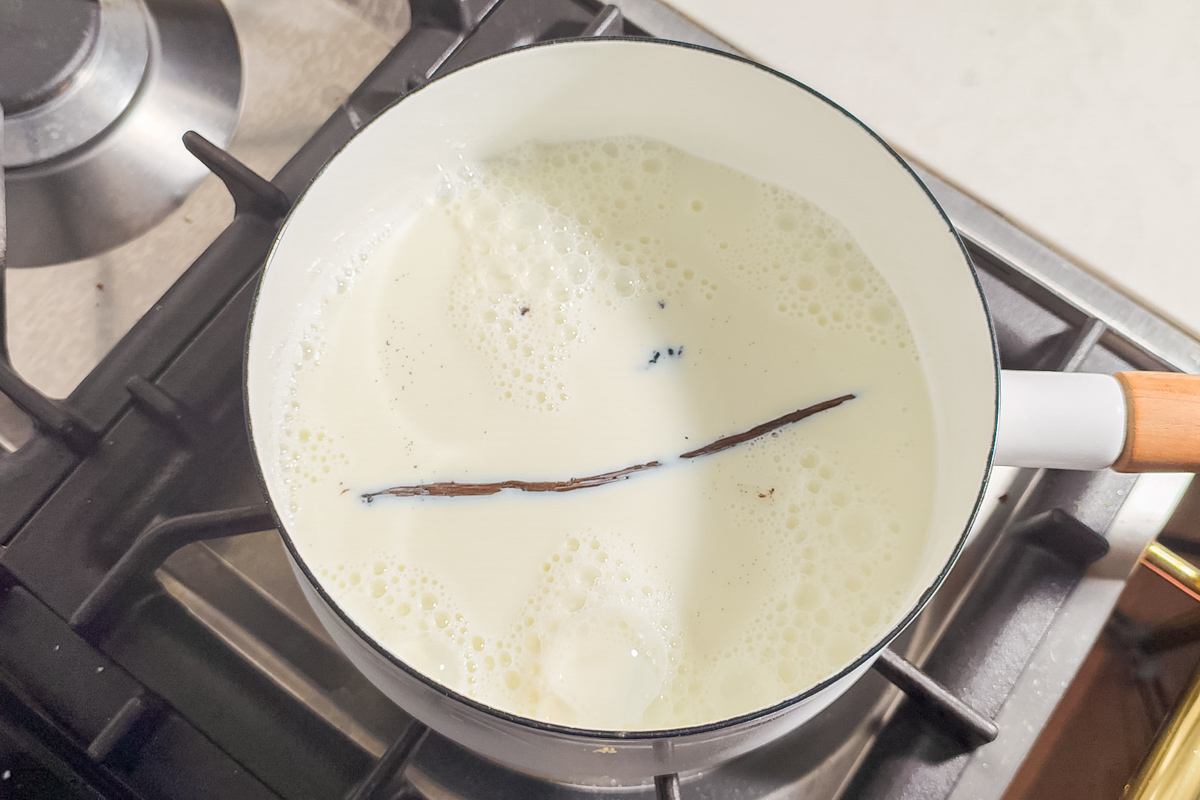
- Split 1 vanilla bean half lengthwise and scrape out the seeds with the back of a knife. Add the seeds, pod, and 480 g (2 cups) whole milk to a medium saucepan over medium heat. Heat until steaming and just beginning to simmer around the edges. Remove the pot from the heat and let steep for 10 minutes. Remove the vanilla pod.

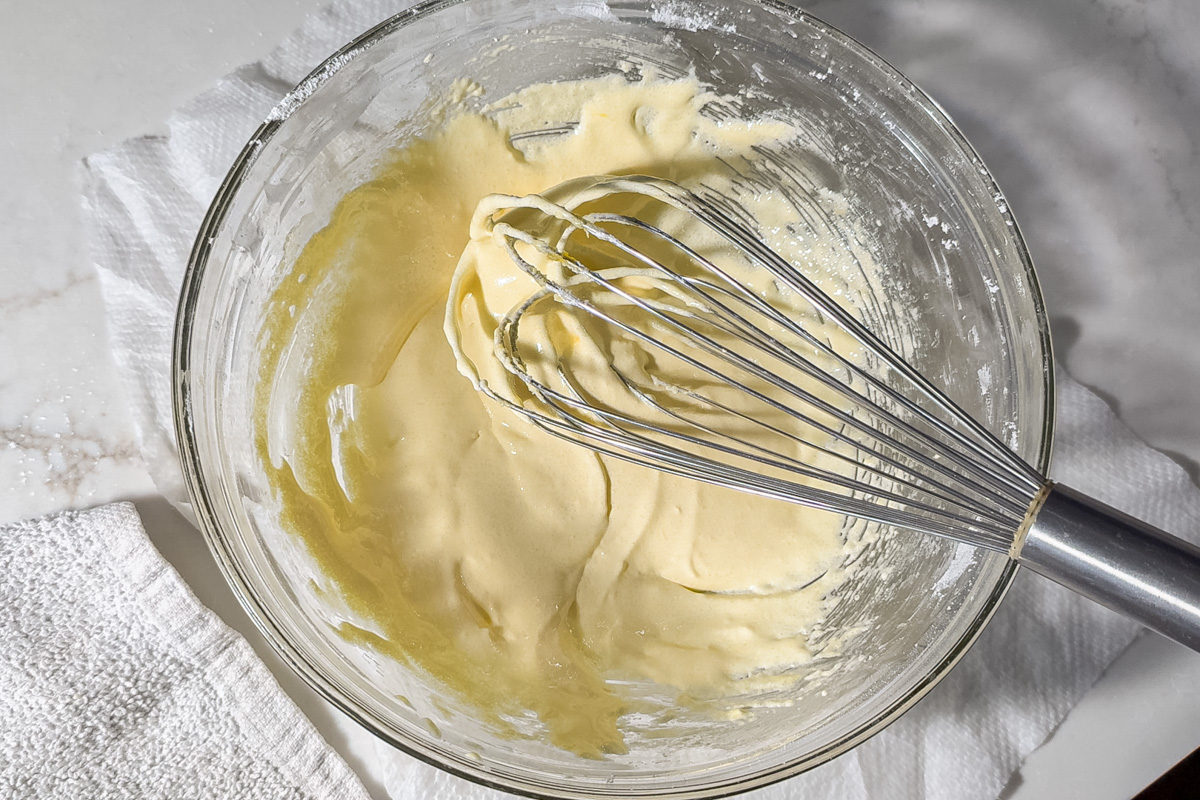
- In a medium bowl, whisk together 100 g (½ cup) granulated sugar, 32 g (¼ cup) cornstarch, and ¼ teaspoon (0.25 teaspoon) salt. Add 4 large egg yolks and whisk until smooth and pale. This will take a few minutes. The mixture will be very thick and almost paste-like at first, then it will loosen up as you keep whisking. Keep going until there's no grittiness when you rub a little between your fingers.
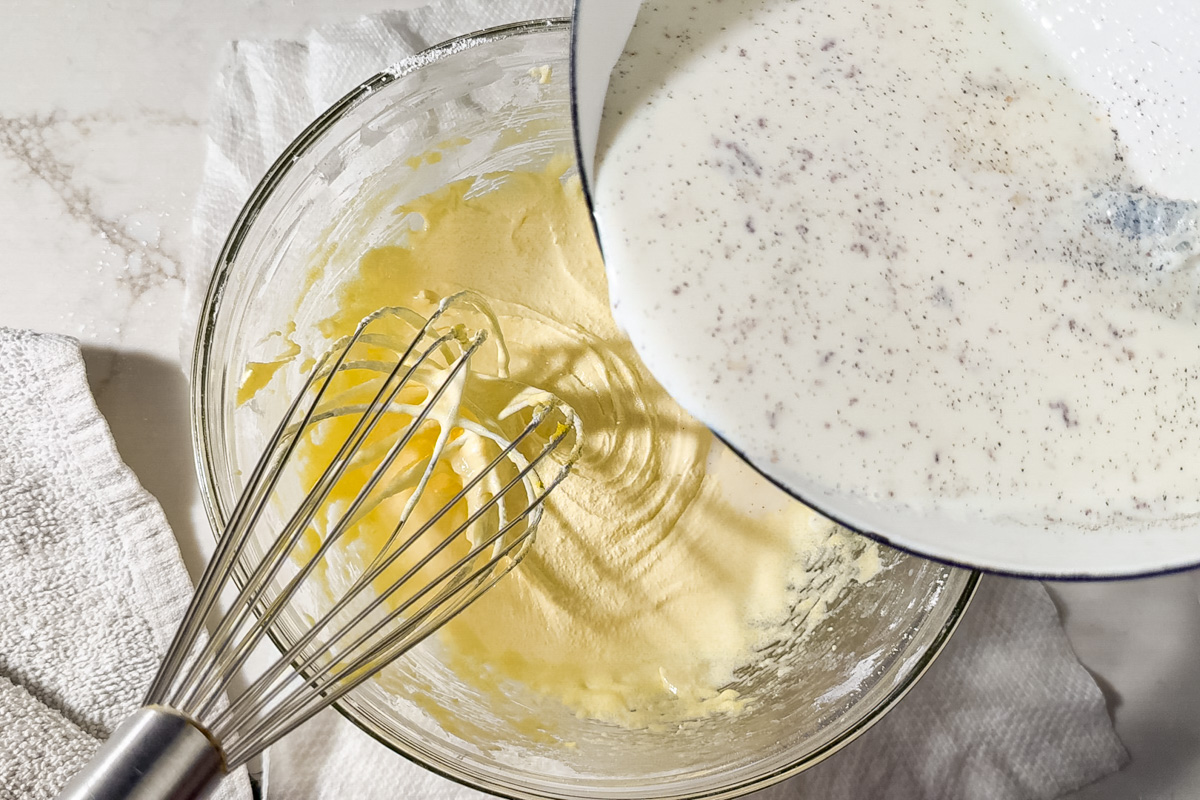
- Slowly pour about half of the warm milk mixture into the egg yolk mixture, whisking constantly to temper the egg yolks. Pour the tempered egg mixture back into the saucepan with the remaining milk.
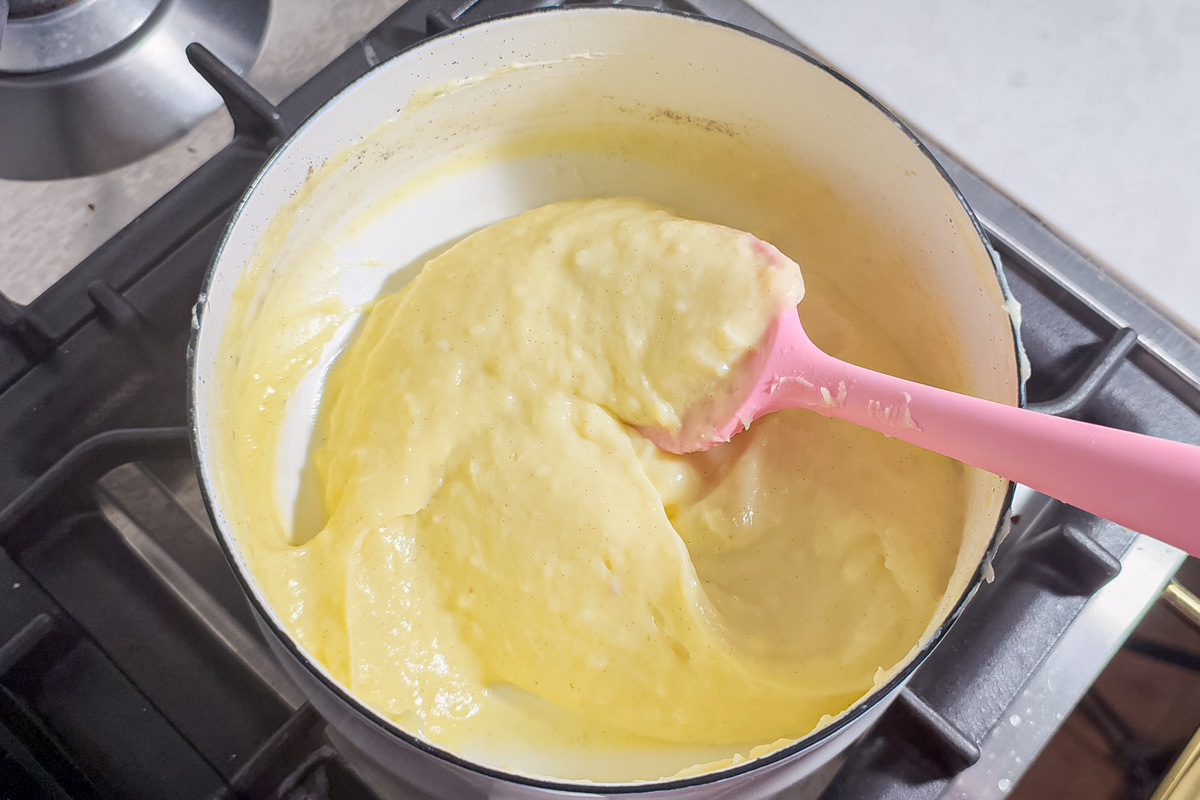
- Cook over medium heat, whisking constantly, until the mixture thickens and begins to bubble, about 3 to 5 minutes. Once it bubbles, cook for 1 more minute, then remove from heat.
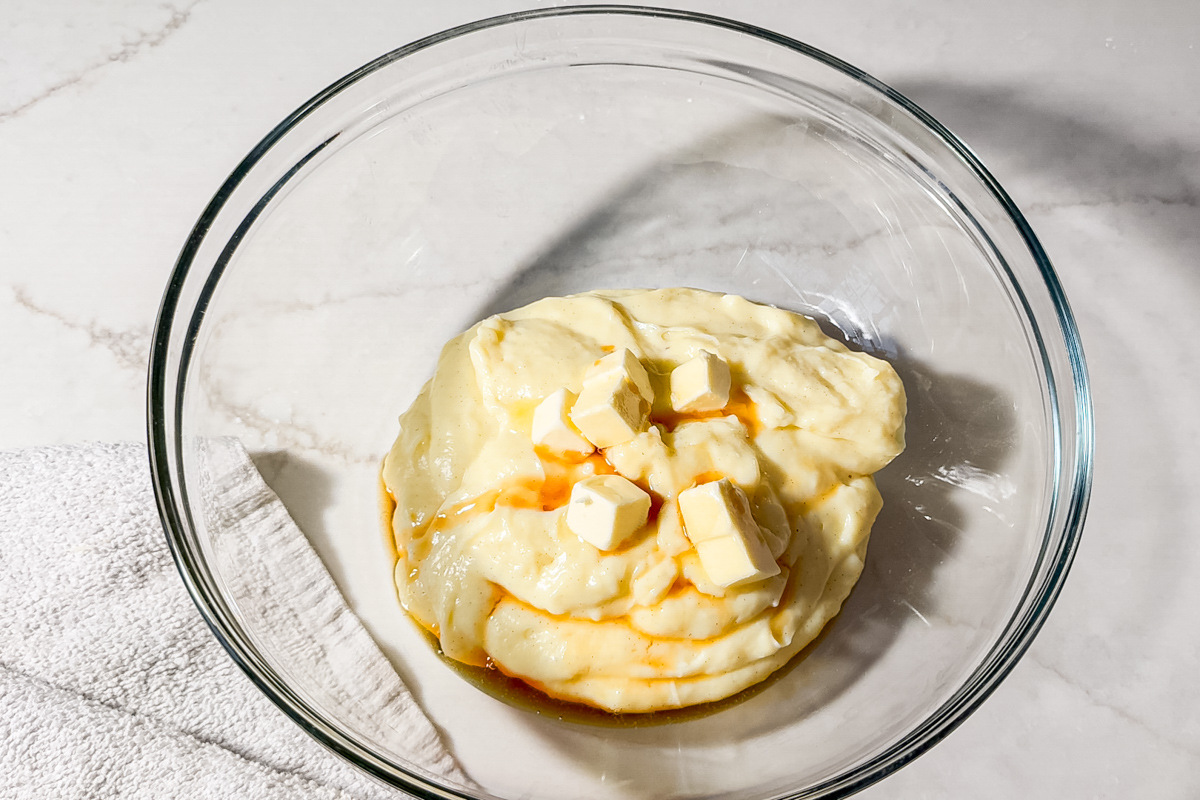
- Add 28 g (2 tablespoons) unsalted butter and whisk until fully melted and incorporated.
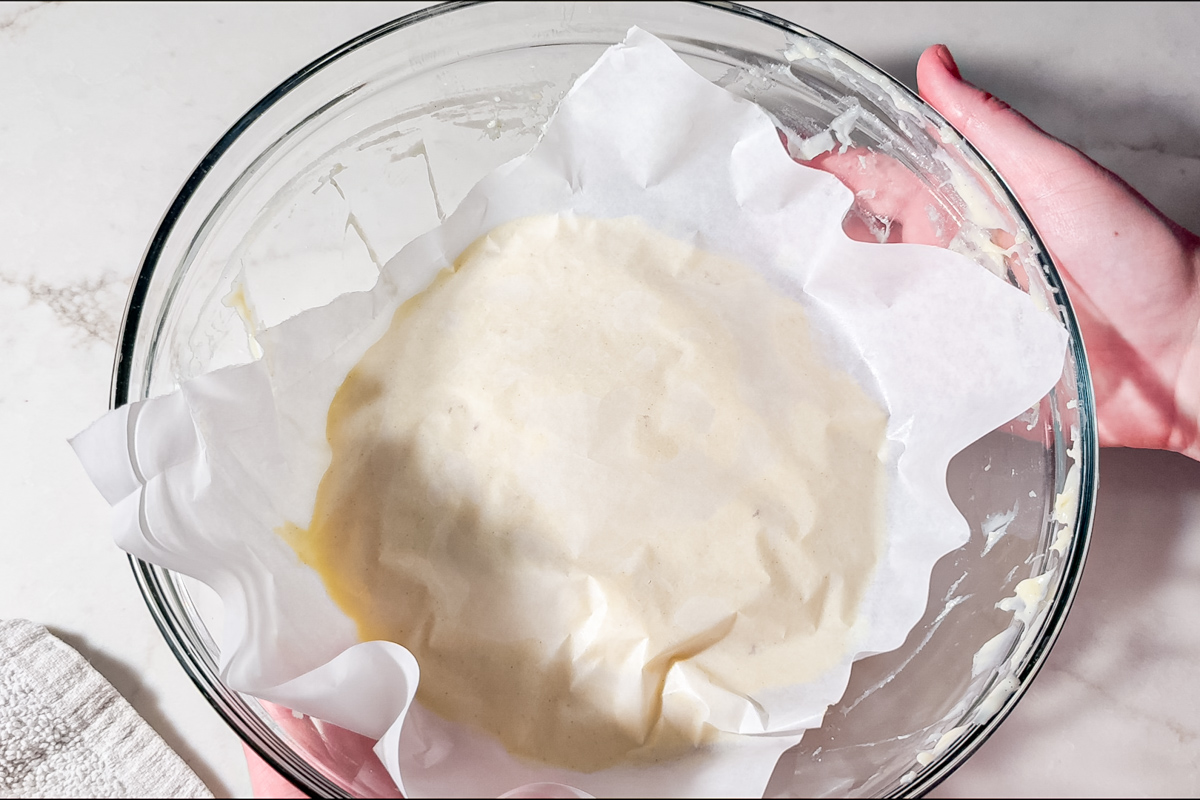
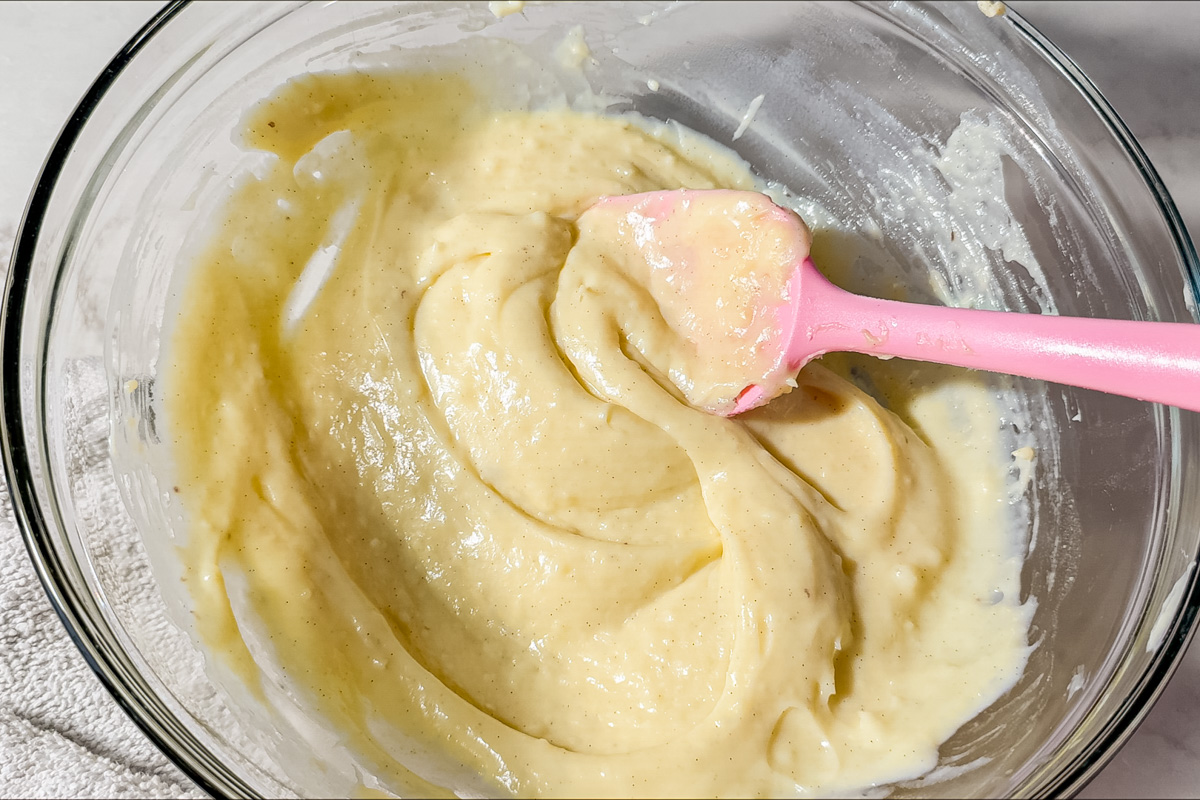
- Pour the pastry cream through a fine mesh strainer into a clean bowl. Press a piece of plastic wrap or parchment paper directly onto the surface of the pastry cream to prevent a skin from forming.
- Refrigerate for at least 3 hours or overnight until fully chilled and set.
To make the donut dough:
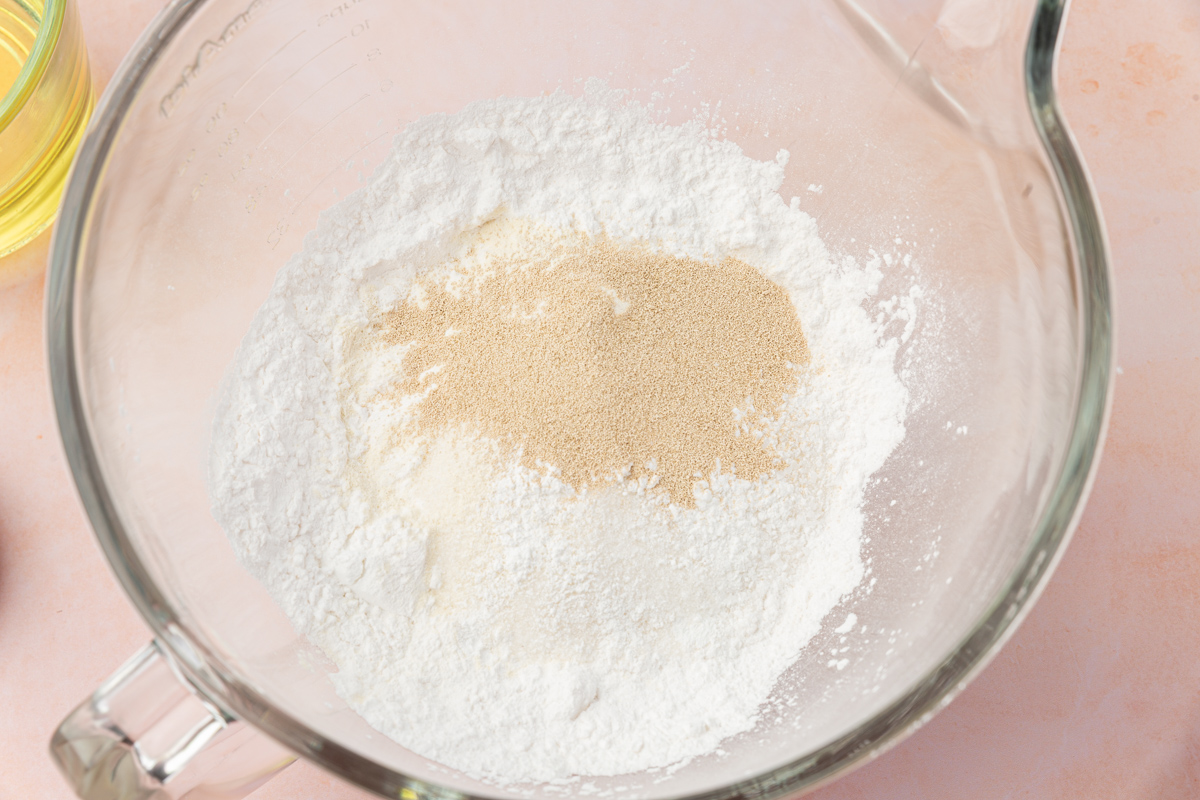
- In a large bowl, whisk together 160 g (1 cups) brown rice flour, 115 g (1 cup) tapioca starch, 75 g (½ cup) potato starch, 67 g (⅓ cup) granulated sugar, 7 g (2¼ teaspoons) instant yeast, 6 g (2 teaspoons) xanthan gum, 8 g (2 teaspoons) baking powder, and 8 g (1½ teaspoon) kosher salt until combined.
- In a small bowl, mix together 16 g (2 tablespoons) whole psyllium husk and 160 g (⅔ cup) warm wateruntil thickened into a gel. Set aside for about one minute to hydrate fully.
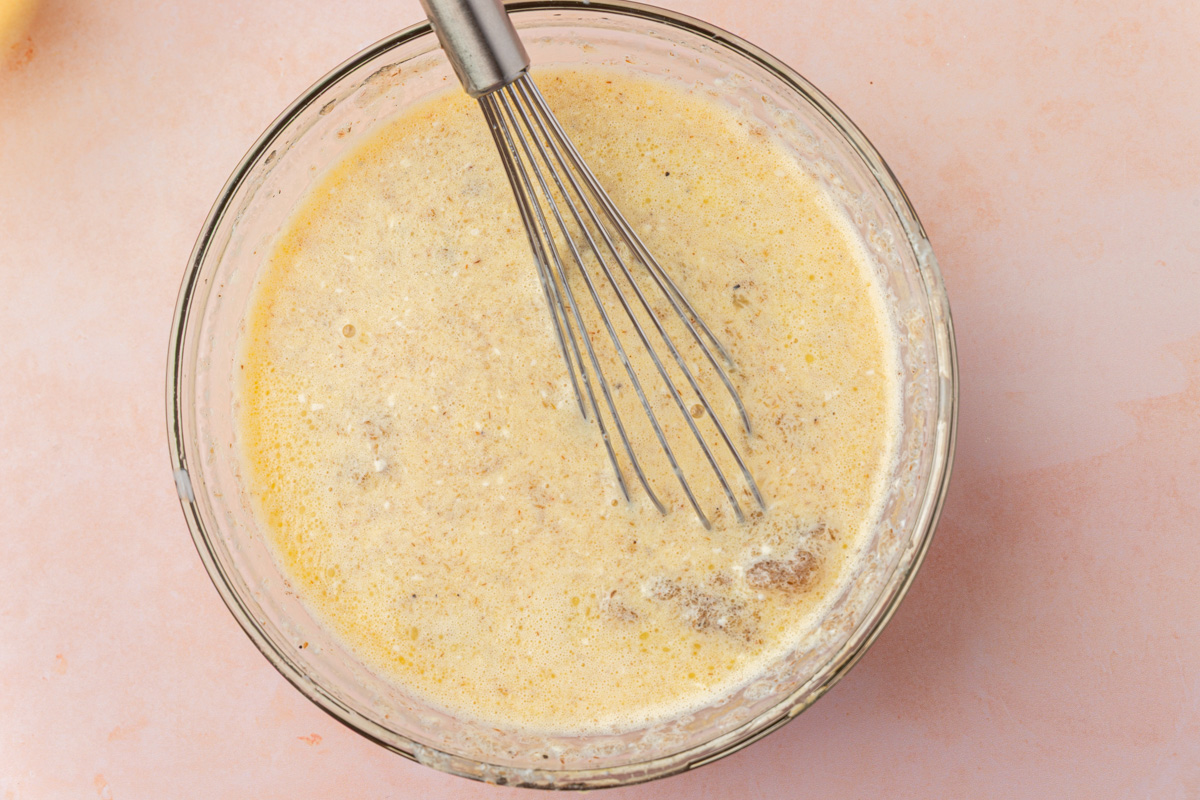
- In a medium bowl, whisk together 160 g (⅔ cup) warm milk, 1 large egg, 56 g (4 tablespoons) melted unsalted butter, and 5 g (1 teaspoon) apple cider vinegar. Add in the psyllium gel and whisk until smooth and uniform.
- Pour the wet ingredients into the dry ingredients. Using the dough hook attachment, mix on medium speed for about 5 minutes, scraping the sides and bottom of the bowl as needed. The dough should be soft, thick, and slightly sticky.
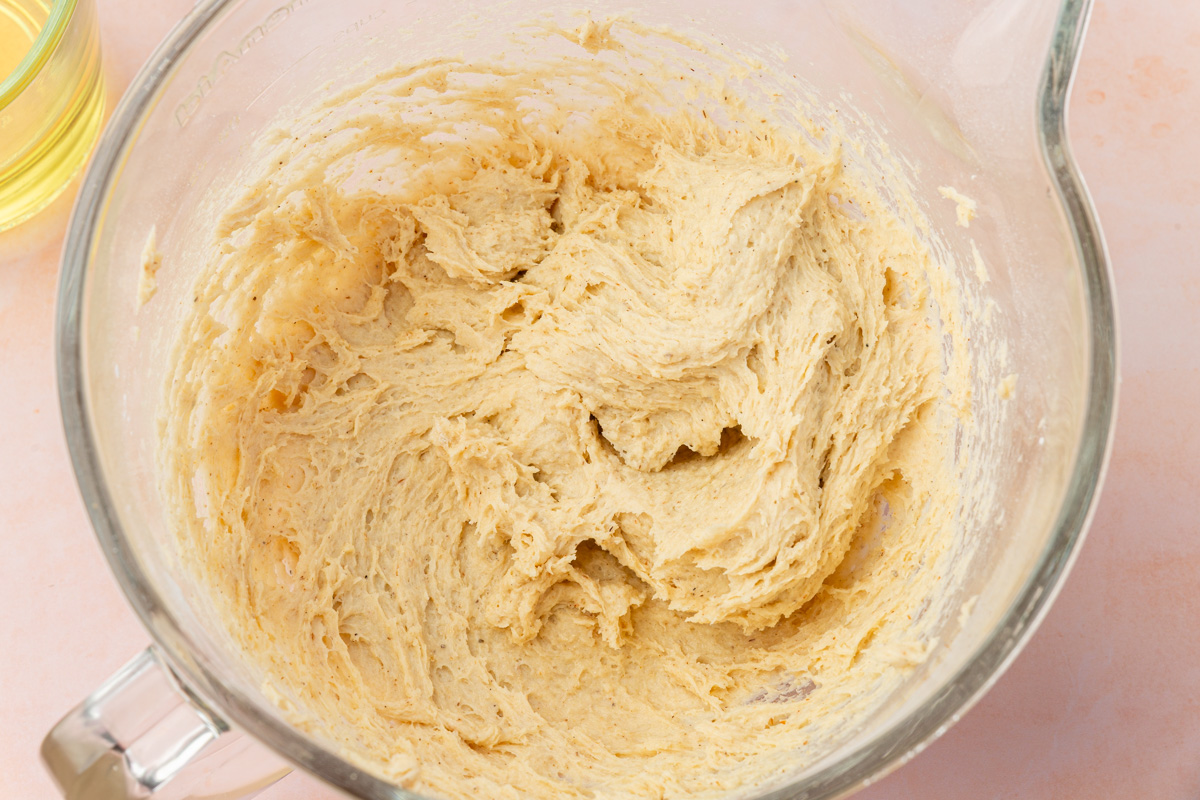
To shape and proof:
- Lightly dust your work surface with tapioca starch. Turn out the dough and knead it for a minute with your hands to make it smooth.
- Roll into a 1/2-inch thick oval or rectangle.
- Using a 3.5-inch donut cutter dusted with tapioca starch, cut out donuts. Re-roll the scraps to get about 10 donuts total.
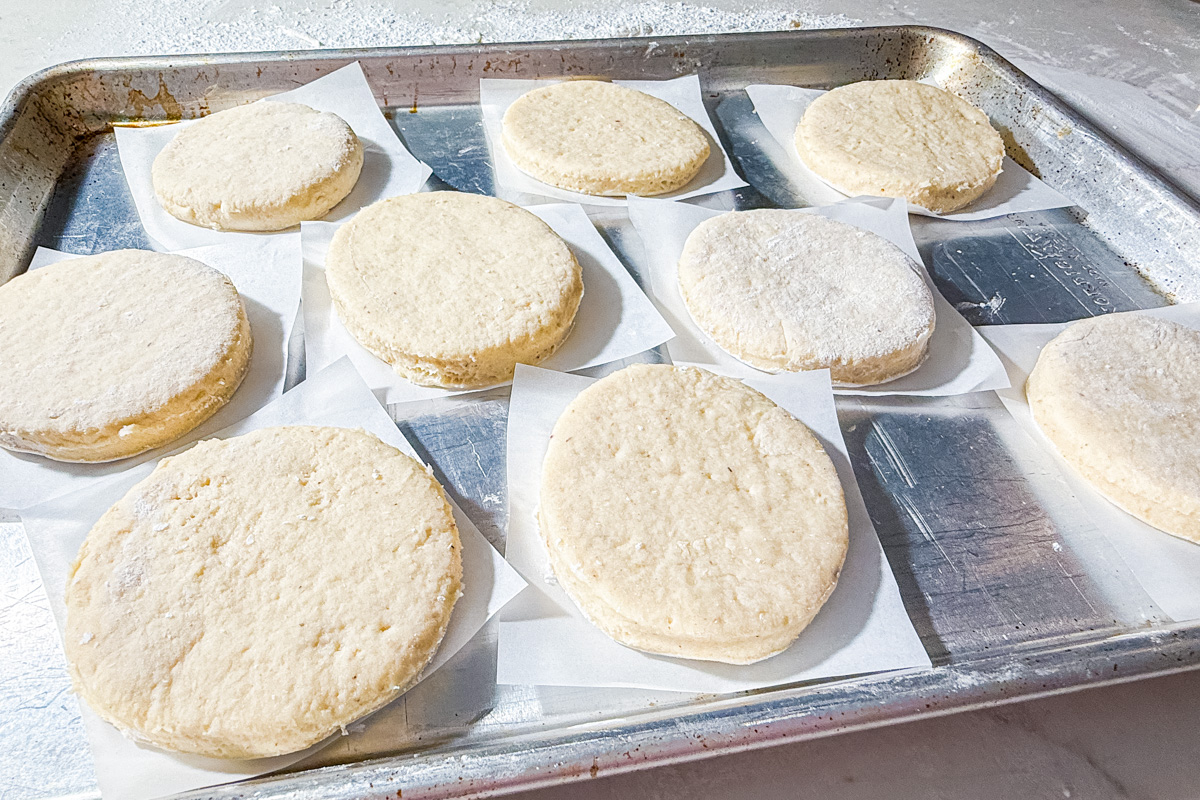
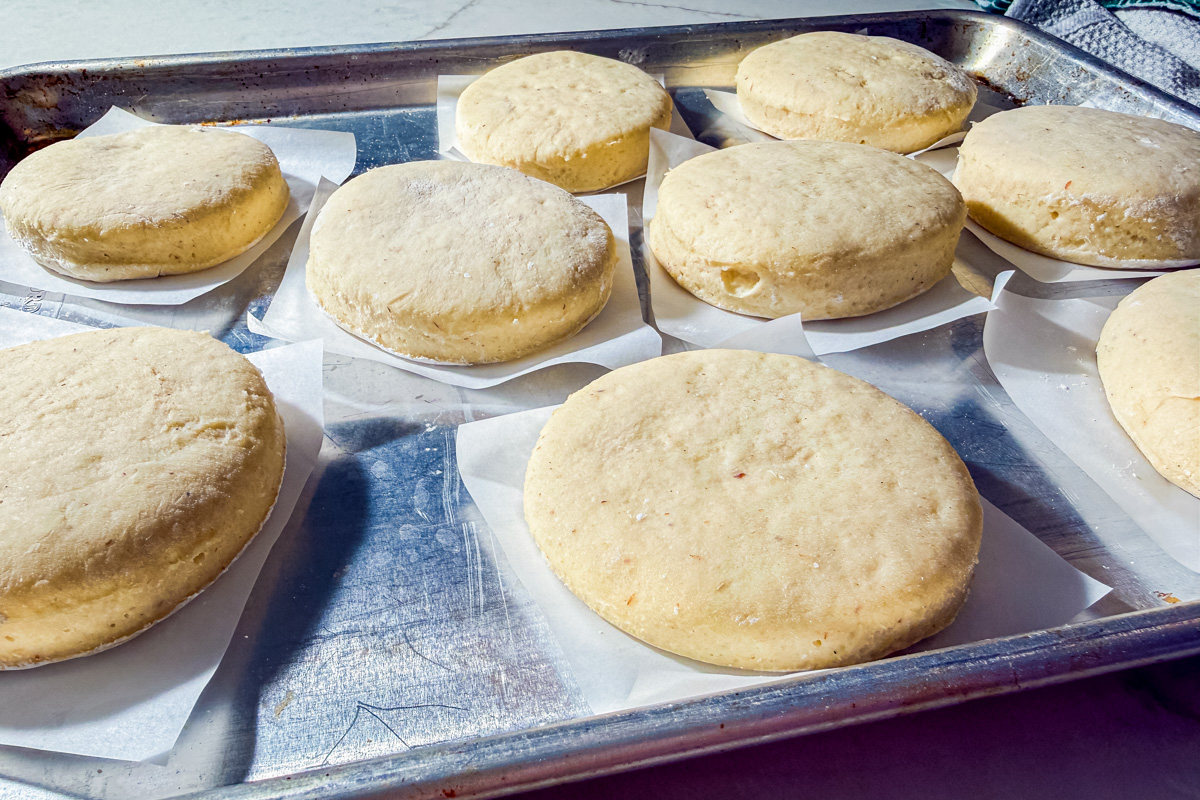
- Place each donut on an individual parchment square (about 4×4 inches). Arrange on a baking sheet and cover loosely with a clean kitchen towel or plastic wrap.
- Let proof for 60 to 90 minutes until puffy and almost doubled in size. If your kitchen is cold, place the baking sheet in an oven that is turned off with the oven light on to help it rise.
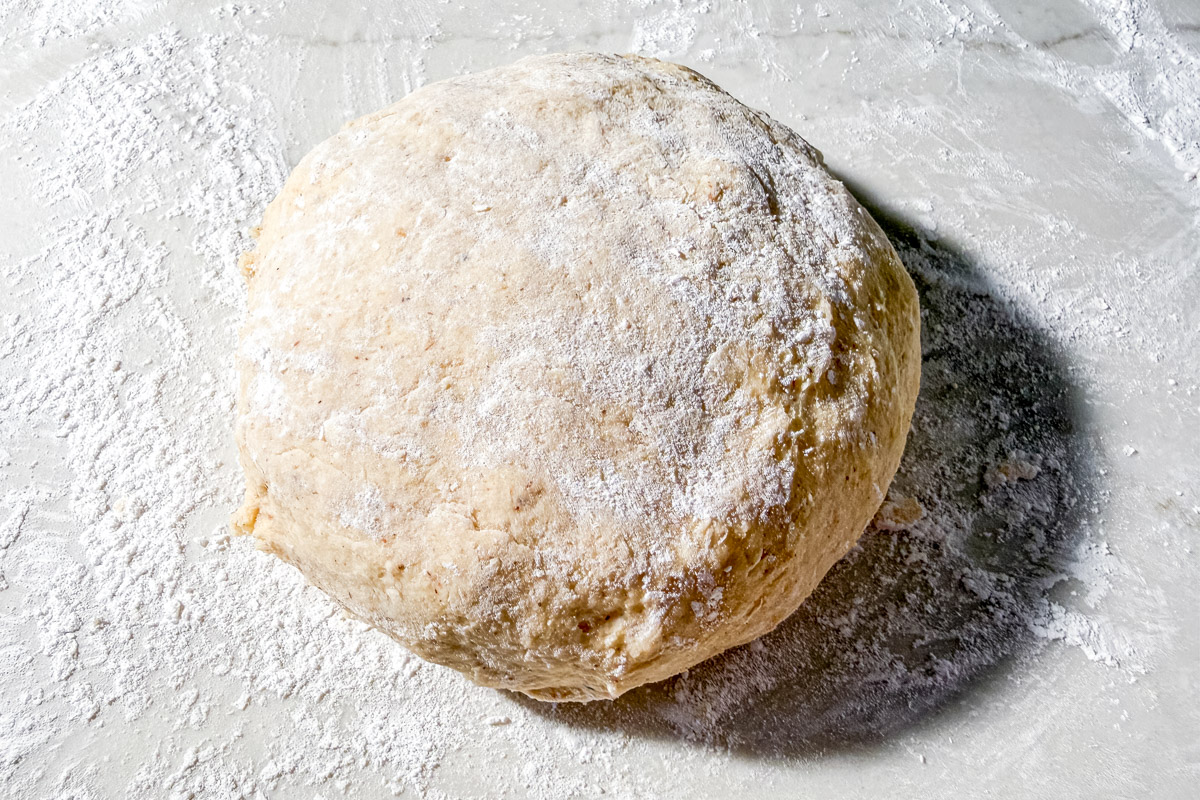
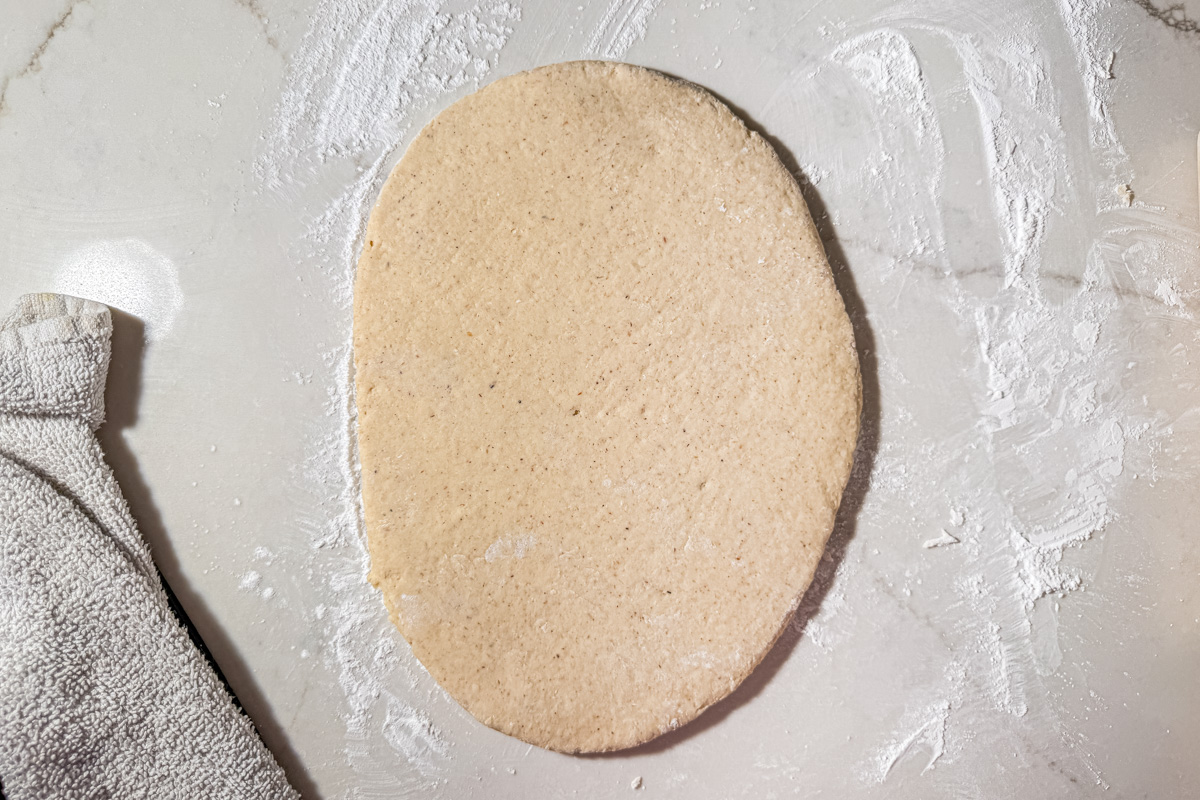
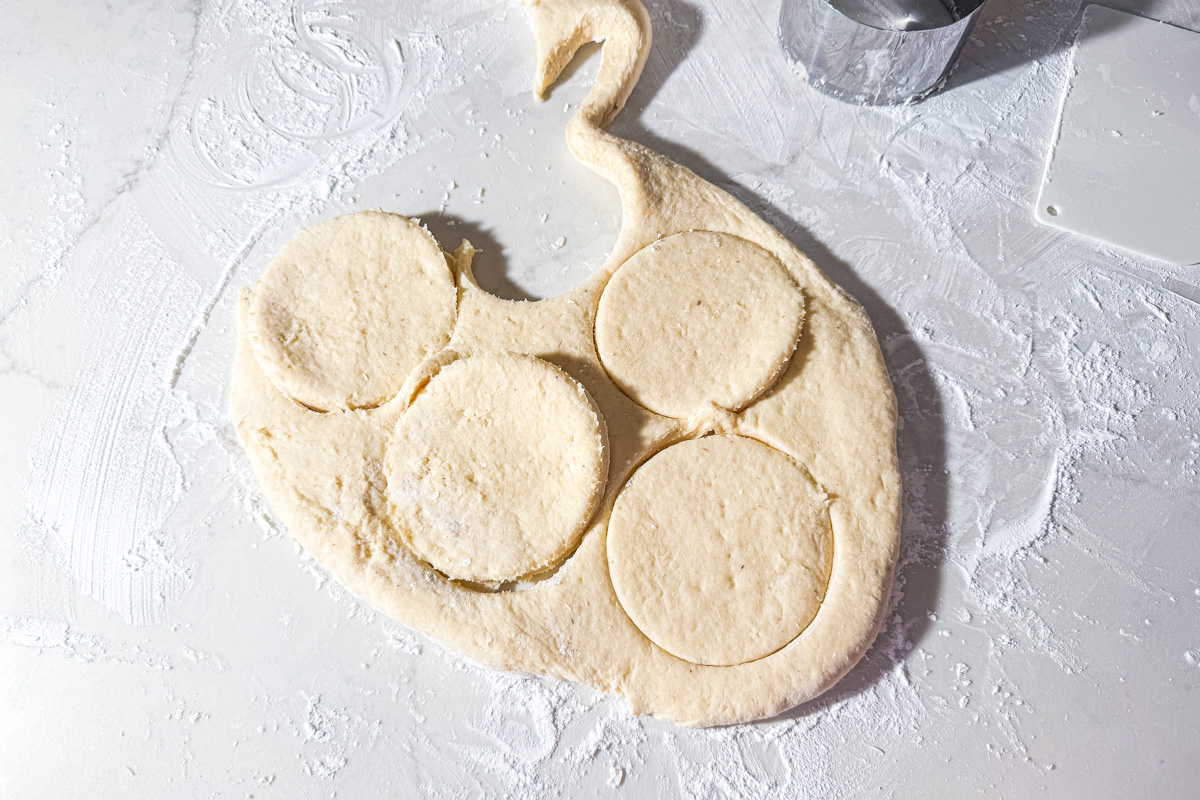
Fry the donuts:
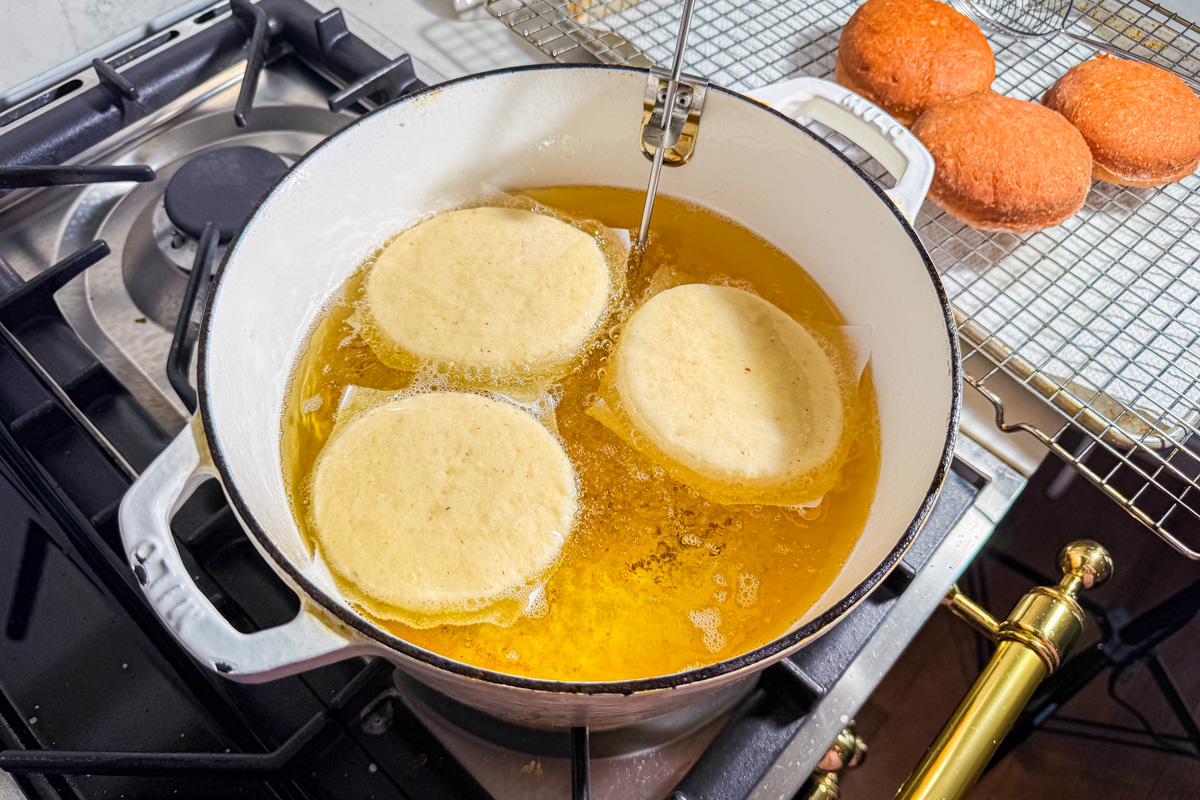
- During the last 30 minutes of proofing, add about 4 to 6 cups neutral oil to a heavy-bottomed pot or Dutch oven (oil should be 2 to 3 inches deep). Heat to 325°F. Use a thermometer to monitor the temperature throughout frying.
- Working with 3 donuts at a time, use the parchment squares to carefully lower the dough into the hot oil. After about 20 seconds, use tongs or tweezers to remove the parchment paper and discard in a heat-safe bowl.
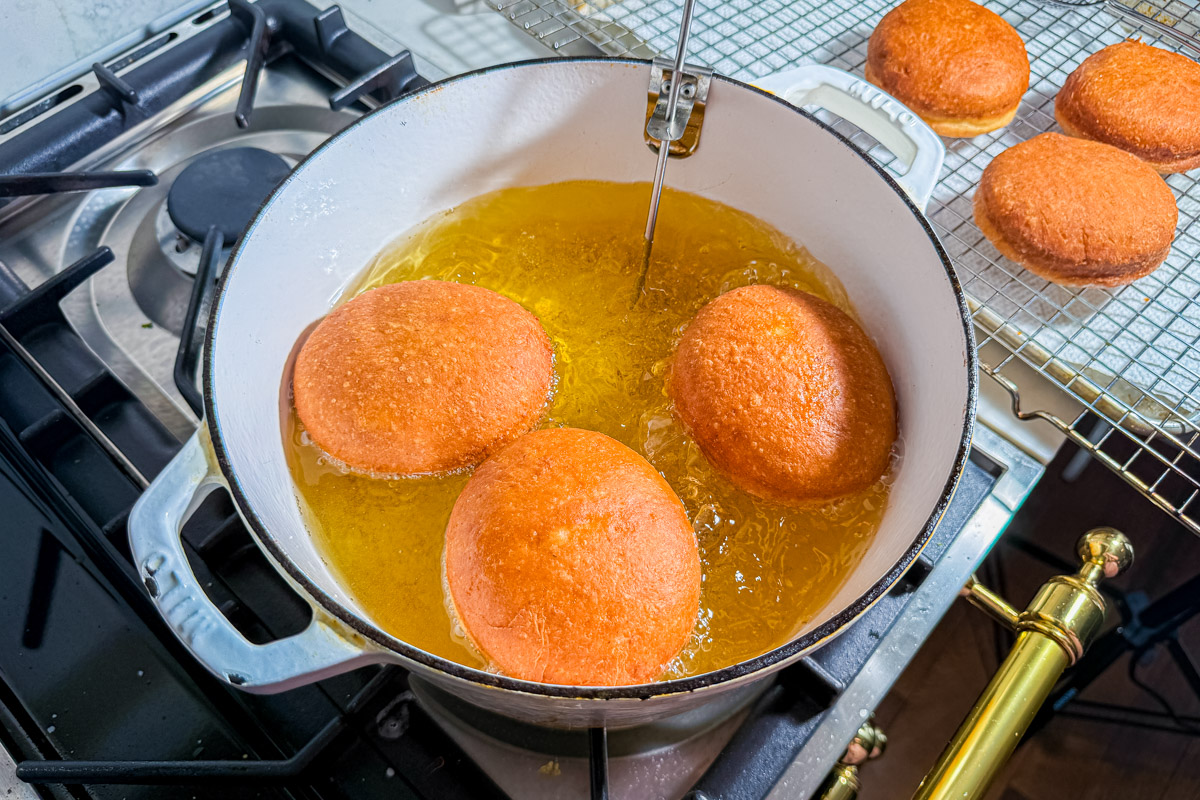
- Fry for 2 minutes on the first side until golden brown, then flip and fry for another 2 minutes. The internal temperature should reach 200°F when checked with an instant read thermometer.
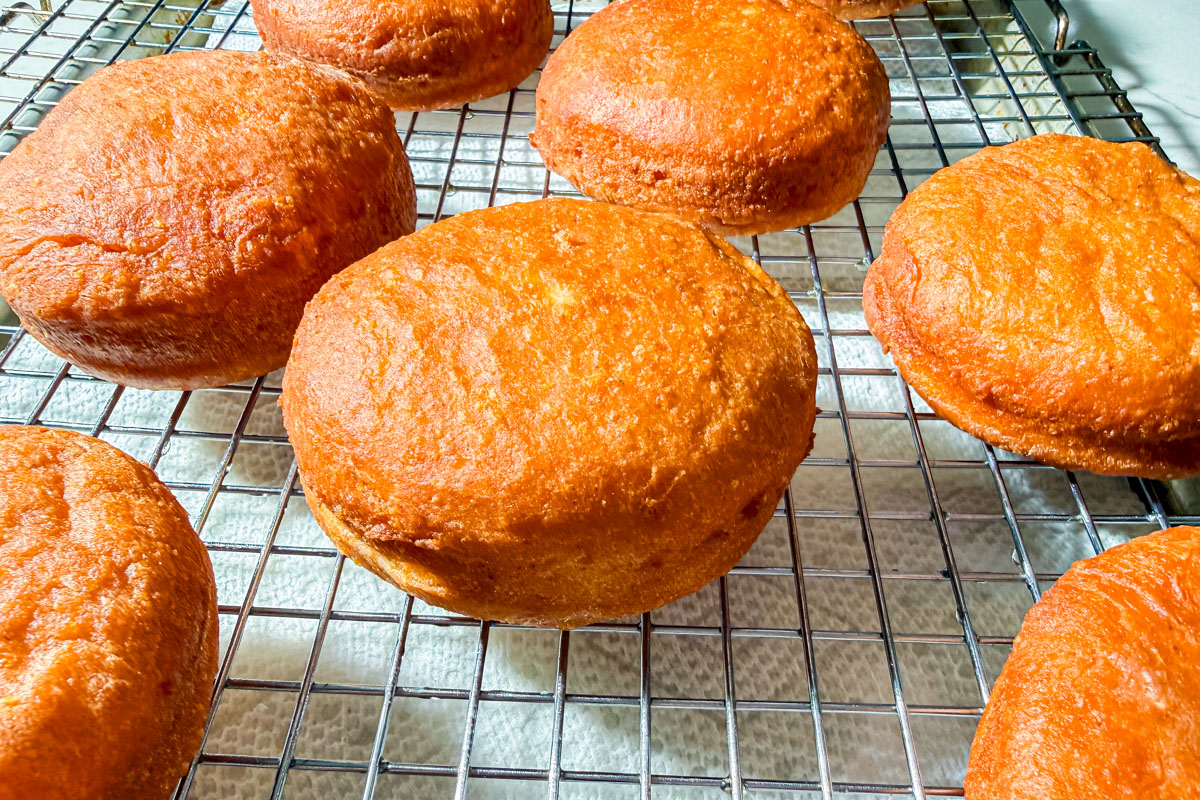
- Using a spider spatula or tongs, remove the fried donuts and place on a wire rack set over a baking sheet lined with paper towels. Repeat with remaining donuts. Let cool completely before filling.
To make the chocolate glaze:
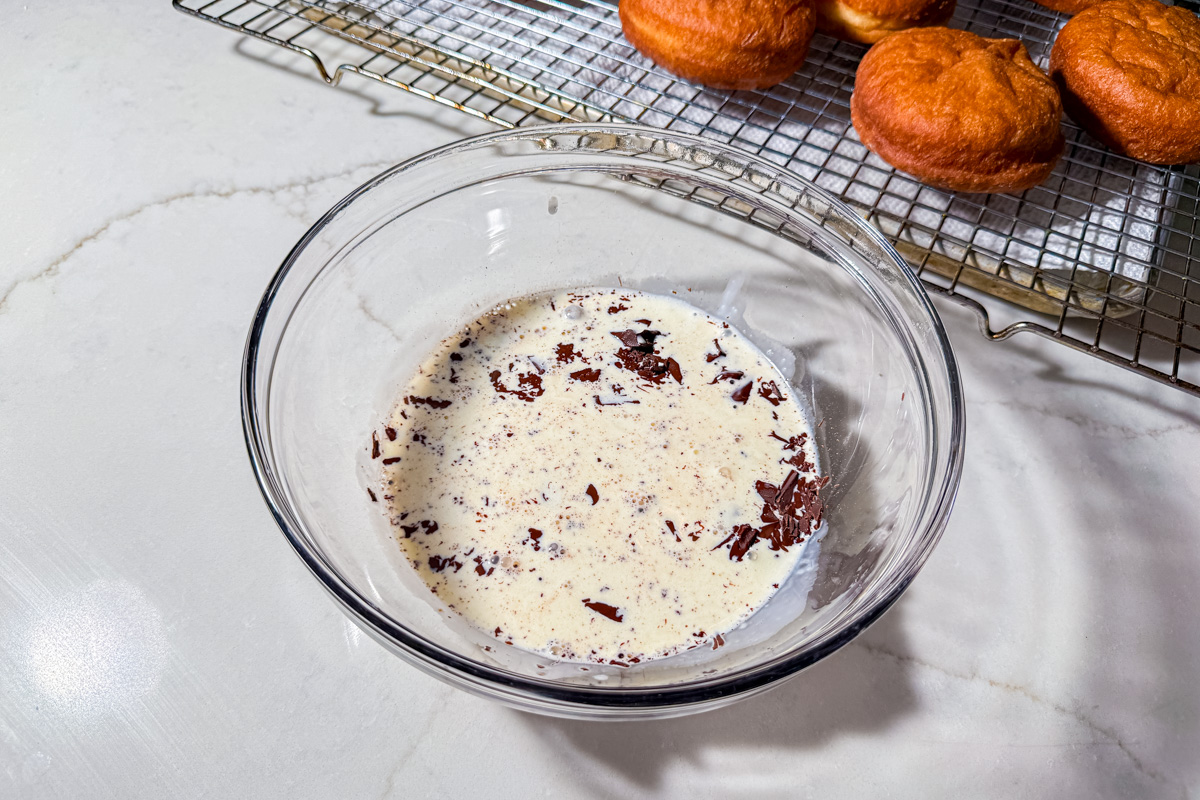
- Place 85 g (½ cup) chopped semi-sweet chocolate in a small heatproof bowl. Heat 118 g (½ cup) heavy cream in a small saucepan over medium heat until just simmering. Pour the hot cream over the chocolate and let sit for 2 minutes.
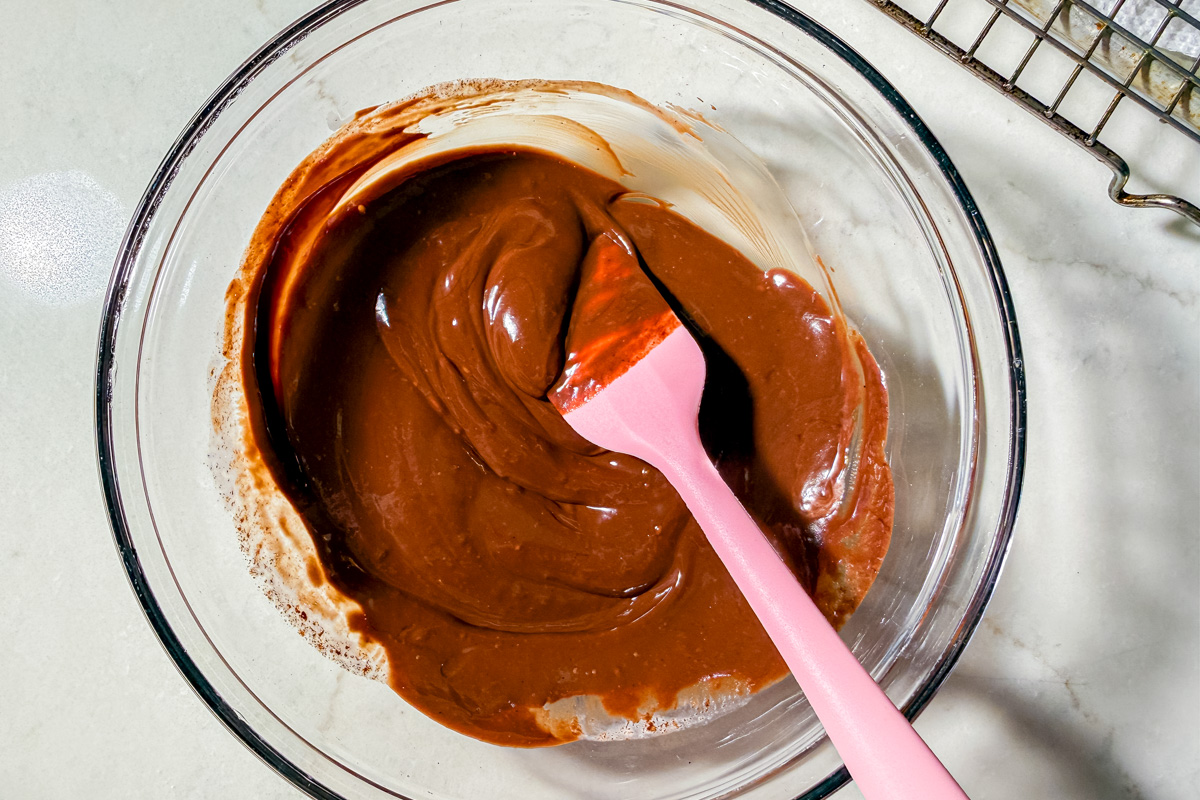
- Then stir until smooth and glossy. Let cool slightly until thickened but still pourable.
To fill and glaze:
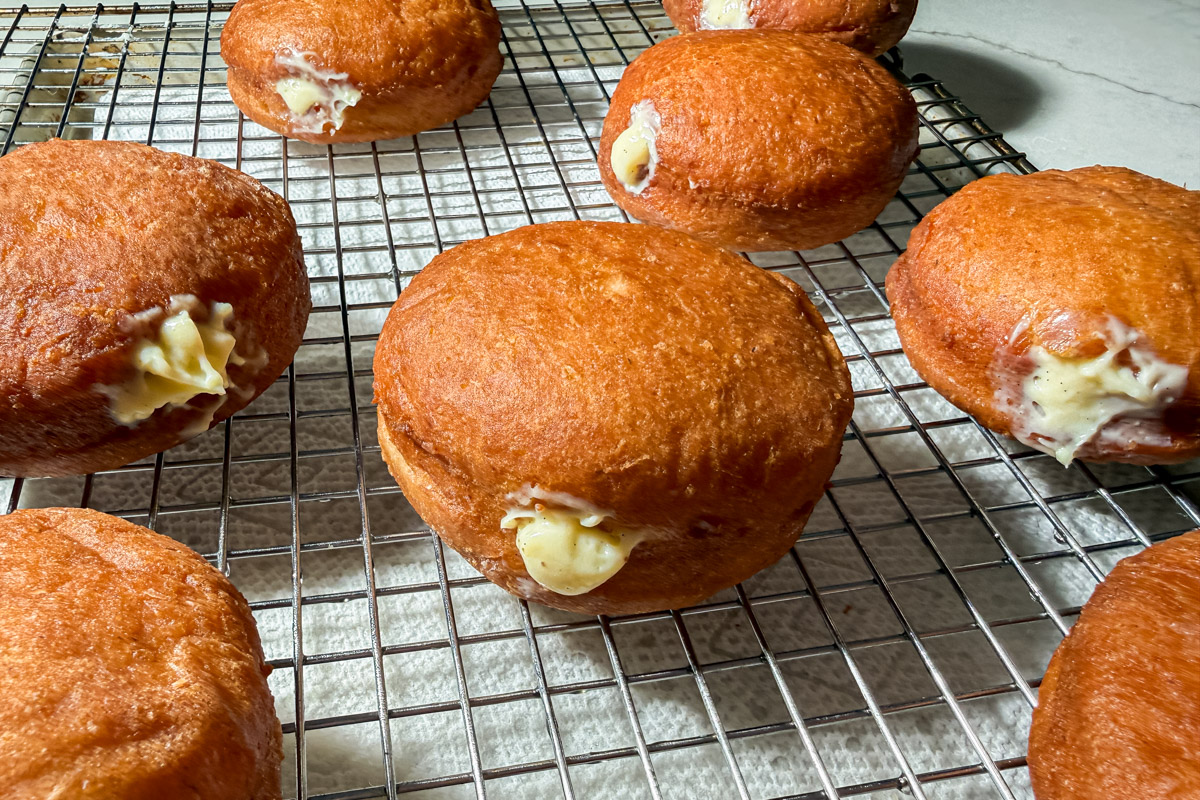
- Transfer the chilled pastry cream to a piping bag fitted with a round piping tip. Use a wooden skewer to poke a hole into the side of each cooled donut, wiggling it gently to create space for the filling.
- Insert the piping tip into the hole and pipe the pastry cream in slowly until the donut feels plump. Don’t overfill or the donut may split.
- Dip the top of each filled donut into the chocolate glaze. Let any excess drip off and place back on the wire rack. Let the glaze set for a few minutes before serving.
Notes
- Flour Blend – Do not use an all-purpose gluten-free flour blend like King Arthur or Bob’s Red Mill 1-to-1 in place of the individual flours. I get asked this a lot and the answer is no. The dough is built around a specific ratio of brown rice flour, tapioca starch, and potato starch, and each one does something different. A pre-made blend has different ratios, added starches, and sometimes xanthan gum already in it, which will throw off the whole recipe. Buy the individual flours and measure by weight.
- Vanilla – If you don’t have a vanilla bean on hand, you can substitute 2 teaspoons of vanilla bean paste or vanilla extract instead. The flavor will be slightly less pronounced but the pastry cream will still set properly.
- Oil Temperature – Keep a thermometer in the oil the entire time you’re frying. The temperature will drop when you add the donuts and needs to come back up between batches.

These look amazing. Thanks for sharing the recipe. May I ask where you got your thermometer?